How We Build Multi-Agent Systems for South Loop
Multi-agent system development begins with workflow decomposition. We map the operational workflow you want to automate in complete detail: every step, every decision point, every data input required, and every output produced. For a South Loop financial services firm, that map might cover a fifteen-step research and analysis workflow that analysts currently spend four to six hours completing manually. For a Museum Campus institution, it might cover a content creation and review workflow with eight steps across three departments.
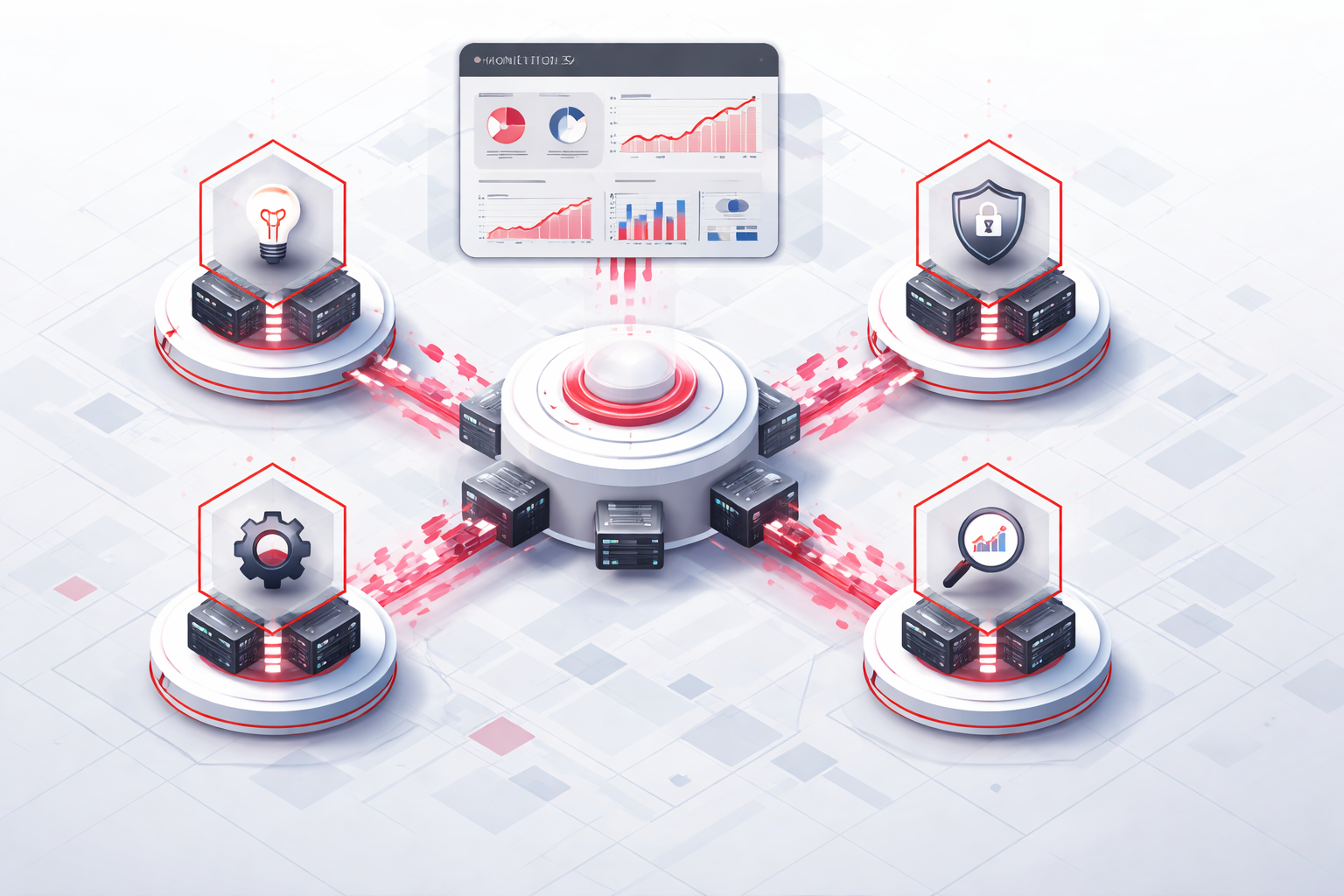
From the workflow map, we design the agent architecture: how many agents are required, what each agent is responsible for, how agents communicate with each other, what human review or approval steps are needed, and how the system handles errors and edge cases. We build agents using frameworks like LangGraph, AutoGen, or CrewAI depending on the workflow requirements, and we ground each agent in the specific domain context of the South Loop organization it serves.
The tools and data connections that each agent needs are configured and integrated during development. An agent that needs to retrieve financial data from an external API, access internal documents, or query a database gets those connections built and secured before the system goes into production testing.
We deploy multi-agent systems progressively: shadow mode first, where the system runs in parallel with existing manual processes so outputs can be compared before the system takes over. This gives South Loop organizations confidence in the system's accuracy before removing the manual backup.
Industries We Serve in South Loop
Financial and professional services firms on Michigan Avenue and State Street automate research, analysis, and reporting workflows that currently require significant analyst time. A South Loop asset management firm that deploys a multi-agent research system processes daily market data, generates analyst briefings, and flags compliance considerations without manual effort at each stage. The analysts focus on judgment and client relationship rather than data gathering and report formatting.
Museum Campus institutions and cultural organizations near 18th Street use multi-agent systems for content operations at scale. An institution that produces exhibit materials, visitor guides, educational content, and donor communications across multiple languages and audience segments can automate the content pipeline from brief to published draft, with human review at appropriate quality gates, rather than routing each content type through a manual workflow.
Property management operations across South Loop's residential tower portfolio use multi-agent systems to automate the tenant service workflow: intake of maintenance requests, vendor identification and work order generation, follow-up on completion confirmation, and tenant notification. A property management firm handling requests across ten South Loop buildings processes routine maintenance requests automatically while flagging exceptions for human attention.
Legal and compliance firms near Printers Row use multi-agent systems for document review workflows that require multiple passes at different aspects of the same documents: one agent checking for specific clause types, another flagging regulatory issues, a third generating a summary, and a fourth routing to the appropriate attorney based on the analysis. The workflow that previously required a paralegal team doing sequential review runs in parallel through specialized agents.
Columbia College-adjacent creative and production businesses use multi-agent systems to automate the briefing, concepting, and production scheduling workflows that currently require producer coordination across multiple creative roles. An agent network that interprets a client brief, generates initial creative directions, evaluates them against brand guidelines, and schedules the appropriate production resources reduces project setup time from days to hours.
Technology companies in South Loop's growing startup sector use multi-agent systems for customer support triage, code review assistance, technical documentation generation, and the product feedback processing workflows that help teams prioritize development work based on user signals.
What to Expect Working With Us
1. Workflow decomposition and system design. We conduct a detailed workflow mapping session, identify the automation opportunities within the workflow, design the agent architecture, and present a system design for your approval before any development begins. South Loop organizations understand what we are building and why before we write the first line of code.
2. Agent development and tool integration. We build each agent with the domain knowledge, tool connections, and decision logic it needs to perform its role in the workflow. Integration with your existing South Loop operational systems, data sources, and approval workflows is part of the development scope.
3. Shadow mode testing and validation. We run the multi-agent system in shadow mode alongside your existing manual process, comparing outputs and identifying any areas where the system produces different results than expected before the system takes over. South Loop organizations validate accuracy before retiring manual workflows.
4. Production deployment and monitoring. We deploy the system to production, configure the monitoring and alerting that notifies your team when the system encounters errors or exceptions, and provide the documentation your team needs to understand what the system is doing and how to intervene when needed.