How We Build Data Analytics and AI for South Loop
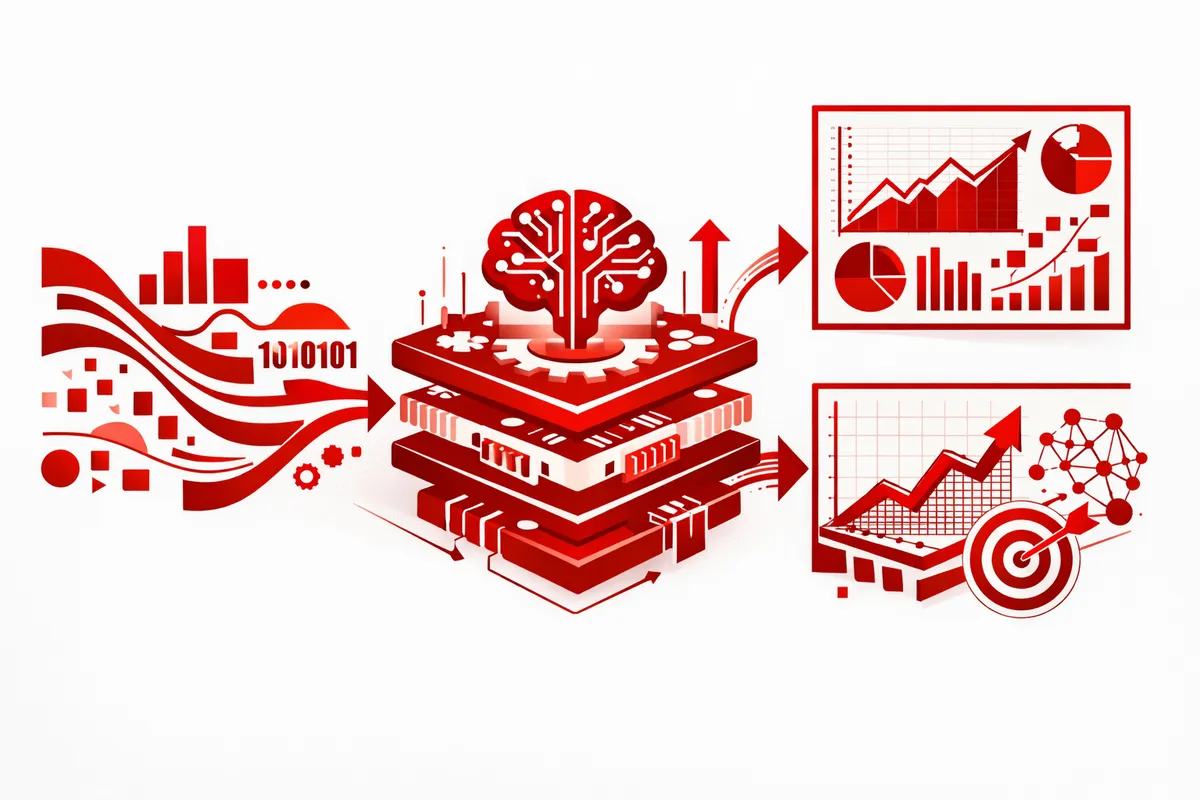
We build data analytics and AI capability for South Loop businesses through a five-component framework: data infrastructure, descriptive analytics, diagnostic analytics, predictive analytics, and AI-powered automation.
Data infrastructure connects the South Loop business's data sources into a unified data environment: the POS and reservation data for hospitality businesses, the project management and financial data for creative agencies, the maintenance and lease data for property management firms. Without unified data infrastructure, analytics is limited to what individual systems can report in isolation.
Descriptive analytics builds the reporting layer that shows South Loop businesses what happened in their operations: revenue by customer type, maintenance cost by building system, project profitability by client industry. This is the foundation layer that most South Loop businesses do not yet have in unified, current form.
Diagnostic analytics identifies why things happened: which factors explain the variation in hotel occupancy, what distinguishes the profitable creative projects from the unprofitable ones, which building systems are driving the highest maintenance costs and why. Diagnostic analytics moves from observation to understanding.
Predictive analytics uses historical patterns to forecast future outcomes. For South Loop hospitality businesses, predictive analytics forecasts demand by date based on event calendars and historical booking pace. For South Loop creative agencies, it forecasts project scope based on client type and project characteristics. For South Loop property management firms, it forecasts maintenance needs based on equipment age and maintenance history.
AI-powered automation uses AI models to make routine decisions at scale: adjusting room rates in response to forecast demand, routing maintenance requests based on predicted complexity, recommending upsell opportunities to restaurant guests based on ordering history.
Industries We Serve in South Loop
Hotels and accommodation businesses near Museum Campus combine occupancy, RevPAR, and guest satisfaction data with Museum Campus exhibition calendars and Soldier Field event schedules to build the demand intelligence that powers dynamic pricing and inventory management. We build data analytics and AI systems for South Loop hotels that transform scattered operational data into the connected intelligence that drives revenue management decisions.
Creative agencies and studios near Columbia College on Wabash Avenue analyze project profitability, client relationship value, and creative performance data to build the evidence-based business development strategy that distinguishes analytically sophisticated agencies from those relying on intuition. We build creative agency analytics for South Loop studios that answer the questions principals actually care about.
Property management firms in South Loop's high-rise corridor combine maintenance history, building system specifications, and resident satisfaction data to build the predictive maintenance intelligence that reduces emergency repair costs and improves resident experience. We build property management analytics for South Loop firms that turn maintenance data into actionable prediction.
Restaurants and food businesses along Michigan Avenue, State Street, and Roosevelt Road analyze customer visit patterns, menu performance, and operational efficiency data to identify the specific opportunities for revenue improvement and cost reduction in their South Loop market context.
Professional services firms on Michigan Avenue and Wabash Avenue analyze matter profitability, attorney utilization, referral source value, and client relationship longevity to build the practice management intelligence that informs resourcing and business development decisions.
Columbia College-adjacent technology businesses build data analytics and AI capabilities for their creative industry clients, developing the analytical products that differentiate their platform offerings in the creative industry market.
What to Expect Working With Us
1. Data landscape assessment. We map the South Loop business's data assets: what data exists, where it lives, what quality issues affect its usefulness, and what questions it can and cannot currently answer. The assessment identifies the data infrastructure gaps that need to be addressed before analytics can deliver full value.
2. Analytics roadmap. We develop a prioritized roadmap for data analytics and AI implementation: descriptive analytics first, then diagnostic, then predictive, then AI automation. The roadmap sequences implementations based on the data readiness of the South Loop business and the business value of each analytics capability.
3. Implementation and capability building. We implement the analytics roadmap in sequence, building the data infrastructure, analytics layer, and AI models in priority order. For South Loop businesses that want internal capability alongside the tools we build, we include knowledge transfer and documentation in every implementation phase.
4. Ongoing optimization and expansion. Data analytics and AI capability compounds over time as the South Loop business generates more data and as AI models are retrained on new observations. We offer ongoing optimization and expansion support for South Loop businesses that want to continue advancing their analytical maturity.