How We Build Computer Vision for South Loop
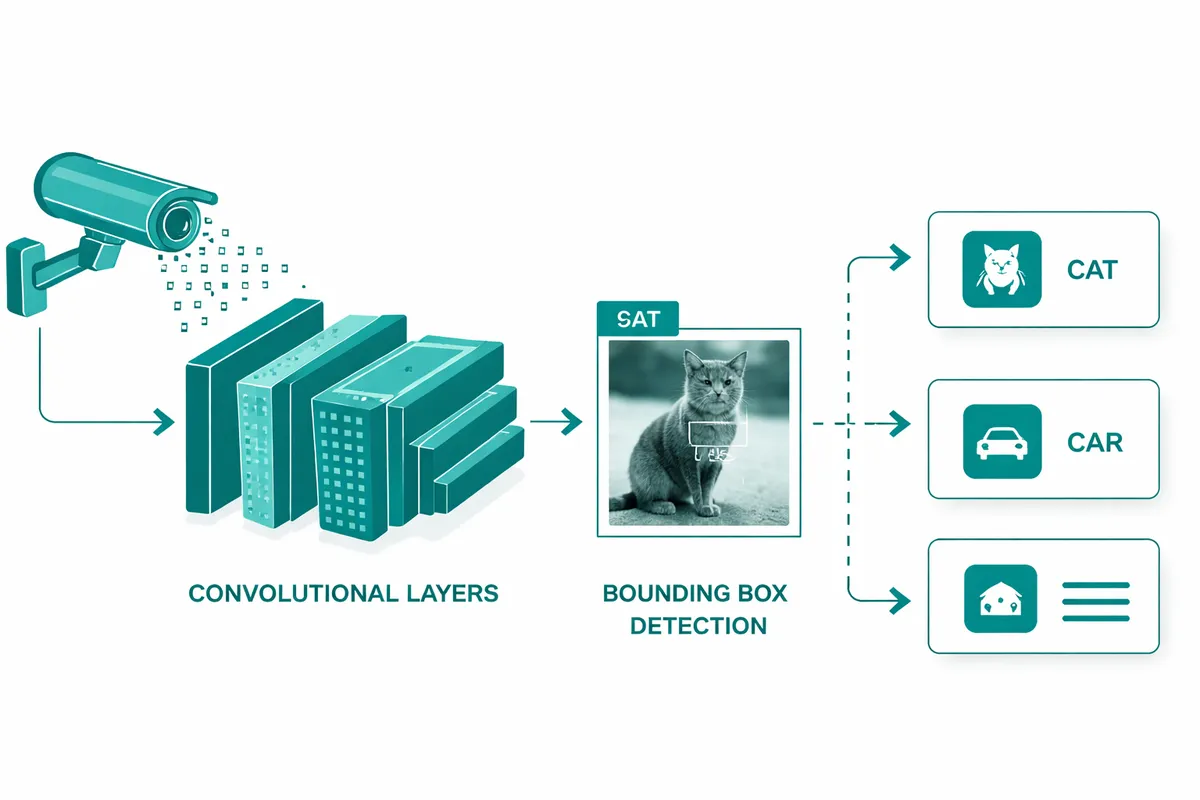
We begin with a use case definition: documenting the specific visual detection or classification task the South Loop business needs, the camera infrastructure available or required, the performance requirements the system needs to meet, and the downstream actions that the system's outputs need to trigger. For a South Loop property management firm, the use case definition covers the specific security events the system needs to detect, the access points that need coverage, and the alert and logging requirements.
Model selection and training follow the use case definition. For common detection tasks such as person detection, occupancy counting, and motion detection, we configure existing computer vision models rather than training from scratch. For specialized tasks specific to the South Loop business context, such as the specific product presentation standards a Columbia College-adjacent production company uses for quality review, we fine-tune models on the business's specific visual vocabulary and quality criteria.
Integration connects the computer vision outputs to the operational systems the South Loop business uses to respond to what the system detects. For security applications, integration connects detection alerts to the building management system, security staff communication tools, and access control infrastructure. For retail analytics, integration connects occupancy and behavior data to the reporting dashboards that store managers use for operational decisions.
Industries We Serve in South Loop
Cultural institutions and venues near Museum Campus need visitor flow monitoring across galleries, entrances, and public spaces at the scale and consistency that human observation cannot provide during peak exhibition periods. Computer vision for South Loop cultural institutions provides real-time occupancy data, crowd flow analysis, and capacity threshold alerts that support visitor experience management and safety compliance without proportionally scaling monitoring staff.
Property management firms in South Loop's high-rise corridor use computer vision for building access monitoring, parking management, and common area safety monitoring. Computer vision for South Loop property managers provides automated detection of access policy violations, unauthorized vehicle presence, and safety events across building common areas with alert delivery to the appropriate staff rather than requiring continuous manual camera monitoring.
Media production and content businesses near Columbia College on Wabash Avenue use computer vision for automated quality review of high-volume visual content. Computer vision for South Loop production businesses flags technical defects, continuity issues, and specification violations in large content batches before human review, reducing the time reviewers spend on conforming content and focusing attention on the flagged items that genuinely need human assessment.
Retail businesses on Roosevelt Road use computer vision for customer flow analytics, product interaction tracking, and queue management data. Computer vision for South Loop retail businesses provides the behavioral data that informs store layout, staffing, and product placement decisions without requiring manual observation studies that are too time-intensive for regular operational use.
Hospitality and hotel businesses near Soldier Field use computer vision for lobby occupancy monitoring, check-in queue management, and event arrival traffic analysis. Computer vision for South Loop hotels provides the arrival flow data that helps front desk managers allocate staffing appropriately for game-day check-in surges and Museum Campus exhibition opening peaks.
Restaurant and food service businesses on Michigan Avenue and State Street use computer vision for kitchen quality control, portion consistency monitoring, and service area occupancy tracking. Computer vision for South Loop restaurants automates the visual quality checks that currently require expediter attention on every dish before it leaves the kitchen.
What to Expect Working With Us
1. Use case definition and technical assessment. We define the specific visual detection or classification task, assess the camera infrastructure available or required, and evaluate the performance and integration requirements. For South Loop property management firms, we assess the building access point coverage and security system integration requirements before designing the computer vision architecture.
2. Model selection and configuration. We select and configure the computer vision models appropriate for the South Loop business's specific task. For standard detection tasks, we configure existing models. For specialized tasks that require business-specific visual vocabulary, we train or fine-tune models on the South Loop business's specific use case.
3. System integration and deployment. We integrate the computer vision system with the South Loop business's camera infrastructure, management platforms, and alert delivery systems. For South Loop hospitality businesses, integration connects occupancy data to the property management system and staffing tools. For security applications, integration connects to the building access control and staff communication infrastructure.
4. Monitoring and performance maintenance. Computer vision systems require ongoing performance monitoring as operating conditions change: lighting variations, camera position changes, and seasonal traffic pattern shifts all affect detection performance. We provide monitoring and periodic model calibration to maintain the detection accuracy the South Loop business depends on for operational decisions.