How We Build Autonomous Workflow Agents for South Loop
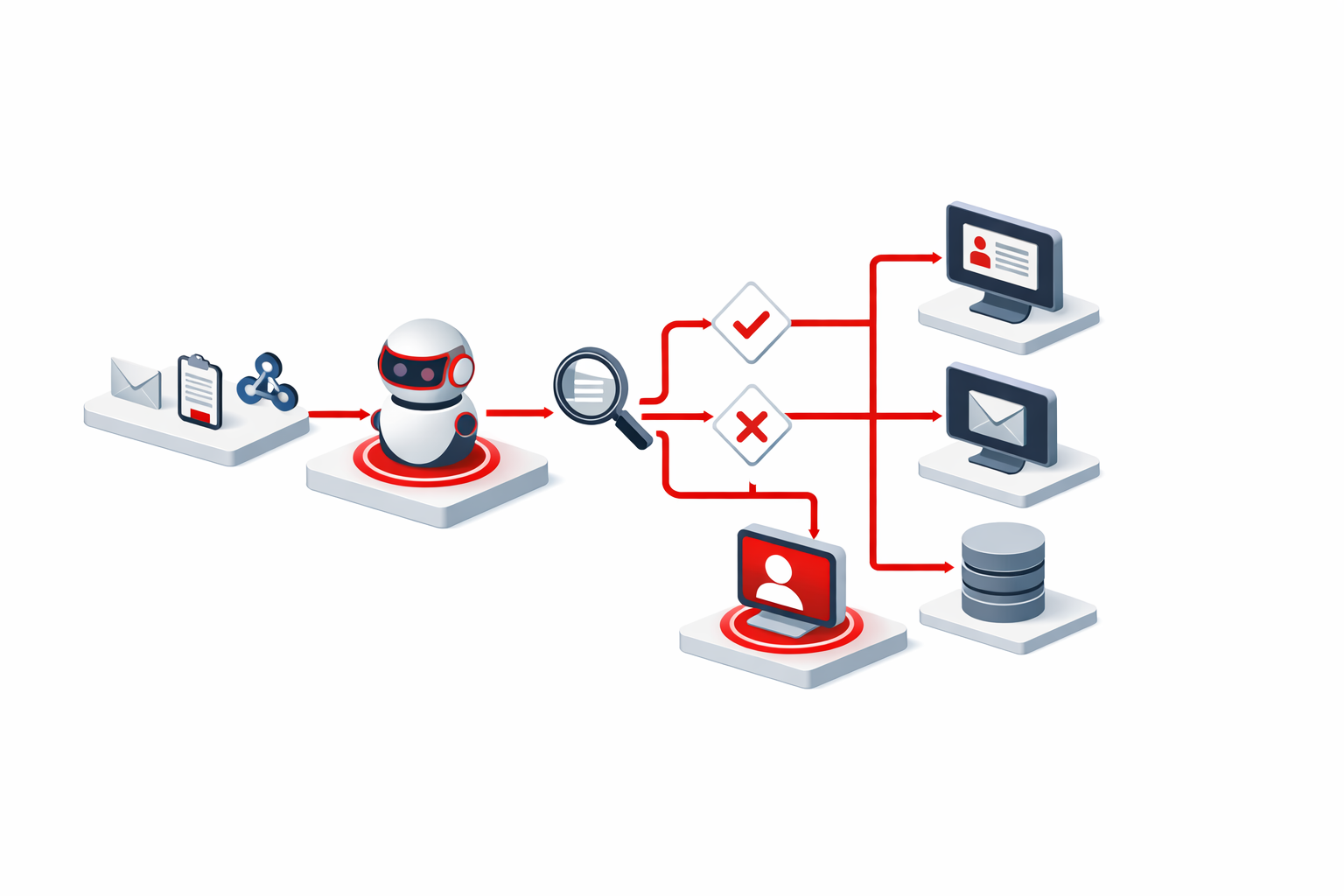
We begin with a workflow audit: identifying the recurring multi-step processes in the South Loop business that consume significant staff time, have predictable decision logic, and would benefit from autonomous execution. For a South Loop hotel, the audit typically surfaces the group inquiry process, the pre-arrival communication sequence, the post-stay review request workflow, and the dynamic pricing adjustment process as the highest-value agent targets.
We then design the agent architecture for each workflow: the trigger conditions that initiate the agent, the decision logic that determines what actions the agent takes at each step, the systems the agent needs to read from and write to, and the escalation conditions that flag items for human review rather than autonomous resolution. For South Loop law firms, escalation design is particularly important: the agent needs to route items to the right attorney when the content of a regulatory development requires professional judgment rather than routine categorization.
We build agents on reliable automation infrastructure that connects to the South Loop business's existing systems via standard APIs. The agents run on schedules or event triggers, maintaining logs of every action taken so that the South Loop business has a complete audit trail of what the agent did and when. For professional services firms with regulatory requirements around process documentation, this audit trail is a governance requirement rather than just a technical convenience.
Industries We Serve in South Loop
Hospitality and hotel businesses near Museum Campus and Soldier Field run recurring guest communication, pricing, and staffing workflows that autonomous agents handle more consistently and quickly than manual processes. We build agents for South Loop hotels that manage the pre-arrival communication sequence, the post-stay review request, the group cutoff reminder workflow, and the dynamic pricing adjustment process triggered by Soldier Field event schedules.
Property management firms in South Loop's high-rise corridor run lease renewal, maintenance routing, vendor management, and tenant communication workflows that are high-volume, predictable, and time-consuming. Autonomous workflow agents for South Loop property managers handle the information gathering and communication steps of these workflows, routing only the negotiations and exceptions that require property manager judgment.
Law firms and professional services firms on Michigan Avenue and Wabash Avenue run matter intake, regulatory monitoring, client communication, and billing workflow steps that agents handle reliably. Autonomous workflow agents for South Loop law firms monitor regulatory sources, classify new publications by relevant practice area and client matter, draft briefing summaries, and route them to the appropriate attorney without the paralegal research cycle that currently mediates each step.
Creative agencies and studios on Wabash Avenue near Columbia College run client intake, project briefing, revision tracking, and deliverable approval workflows that agents can manage end-to-end for routine project types. Autonomous workflow agents for South Loop creative businesses handle the administrative steps of project workflows, freeing creative staff to focus on the creative work rather than the communication and documentation that surrounds it.
Retail and e-commerce businesses on Roosevelt Road run inventory reorder, customer service response, review management, and marketing trigger workflows that agents handle automatically. Autonomous workflow agents for South Loop retail businesses monitor inventory levels and trigger reorders at specified thresholds, respond to standard customer service inquiries, and send review request communications at the optimal time after each purchase.
Financial services and advisory firms on Michigan Avenue run client onboarding, portfolio monitoring, regulatory filing, and client communication workflows that involve multiple steps across multiple systems. Autonomous workflow agents for South Loop financial firms handle the data gathering, document preparation, and communication steps of these workflows, routing only the judgment-dependent steps to advisors.
What to Expect Working With Us
1. Workflow audit and agent opportunity identification. We identify the recurring multi-step processes at your South Loop business that have the highest automation value. For hospitality businesses near Museum Campus and Soldier Field, we specifically look for the event-triggered workflows where autonomous agents can act faster than manual processes allow.
2. Agent design and decision logic mapping. We design the agent architecture for each identified workflow: trigger conditions, decision logic, system connections, and escalation rules. For South Loop professional services firms, we design escalation logic that routes regulatory and judgment-dependent items to the appropriate human reviewer rather than attempting autonomous resolution on tasks that require professional judgment.
3. Development, testing, and monitoring setup. We build the agents, test them against realistic South Loop business scenarios, and deploy monitoring that surfaces any agent errors or escalation failures. For agents running on event triggers, we test against the specific event patterns that South Loop businesses face, including Soldier Field game-day volumes and Museum Campus exhibition opening traffic.
4. Deployment and ongoing optimization. We deploy agents and monitor their performance, making logic adjustments as the South Loop business's workflows evolve and as edge cases emerge that the initial agent design did not anticipate. Autonomous workflow agents improve over time as the agent's decision logic is refined based on real operational experience.