How We Build AI Sales Intelligence in South Loop
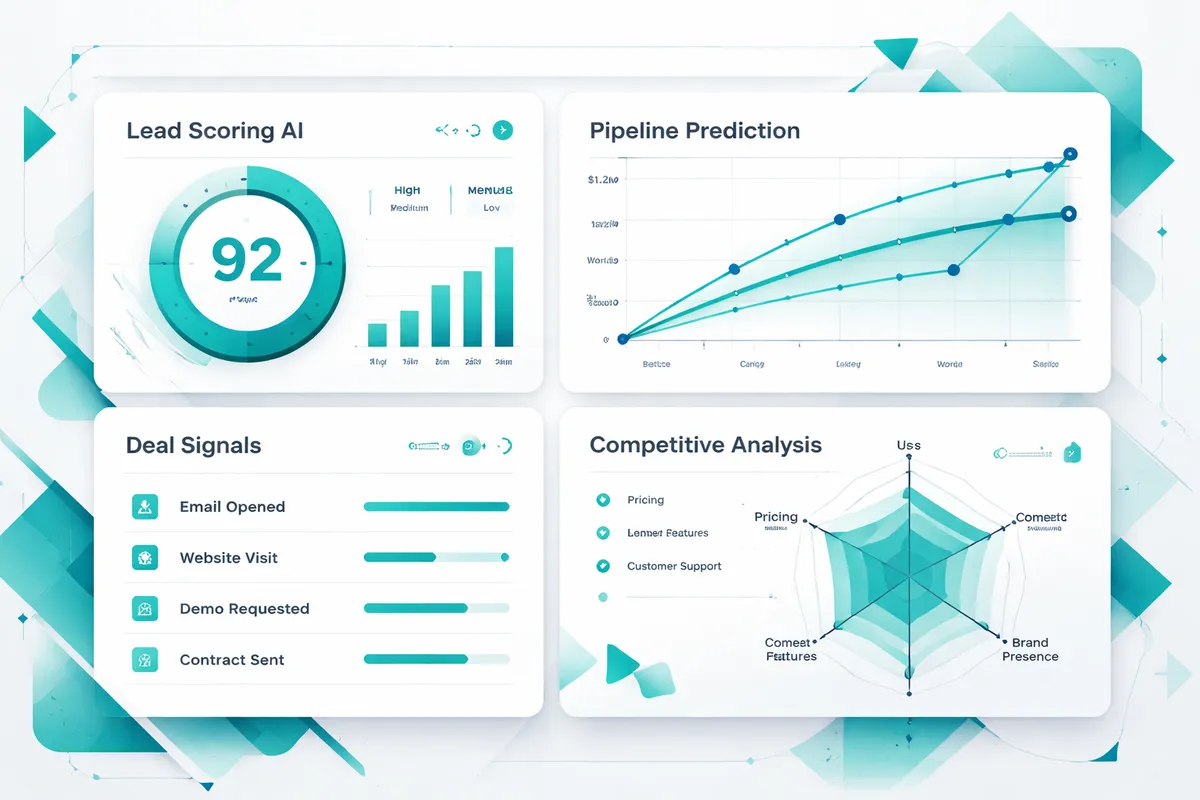
We connect your CRM, point-of-sale, website analytics, and social channels to build a unified view of every prospect and customer. The system scores leads based on engagement patterns, demographic signals, and behavioral data that distinguishes between visitor types with different relationship potential.
For restaurants near Museum Campus and Soldier Field, the system identifies corporate groups, event planners, and catering prospects based on website behavior and inquiry patterns. For residential services along State Street and Michigan Avenue, it tracks new move-ins and flags the ones engaging with your content during the critical early-decision window. For B2B businesses near McCormick Place and in the Motor Row district, it identifies convention attendees who match your ideal customer profile and suggests outreach timing based on conference schedules and post-event follow-up windows when intent is still high.
Industries We Serve in South Loop
Restaurants near Soldier Field and Museum Campus use sales intelligence to identify and pursue corporate dining, catering, and event business that the neighborhood's convention economy generates continuously. The system tracks which companies book events regularly, when their budget cycles align with outreach, and which leads from convention weeks have the highest close probability based on website engagement signals during McCormick Place events. One restaurant near Roosevelt Road increased corporate event revenue significantly by proactively reaching out to convention planners identified through website behavior signals during event weeks, before those planners had reached out to competitors.
Residential services, fitness businesses, and medical practices along State Street and Michigan Avenue use AI to identify new tower residents and time outreach during the critical first sixty days after move-in, when people are actively choosing their local providers and the cost of switching is still low. The system scores new residents by engagement level based on website visits, social media interactions, and referral source quality, then recommends the optimal offer and channel for each prospect based on their behavioral profile.
Professional service firms near McCormick Place and along the Roosevelt Road corridor use sales intelligence to identify prospects among convention attendees and match outreach timing to moments when those prospects are physically nearby and in a business mindset. The system integrates McCormick Place event calendars and enriches lead profiles with attendee industry data to surface the prospects most likely to need your specific services.
Retail businesses along State Street and in the Printers Row corridor use sales intelligence to distinguish between one-time tourist purchases and the beginning of a regular resident shopping relationship. The system identifies residents who have made two or three purchases within their first month in the neighborhood, flags them as high-value loyalty candidates, and recommends outreach with a loyalty program invitation before the relationship solidifies around a competitor.
Property management companies in South Loop's high-rise towers use sales intelligence to identify prospective tenants who are actively searching for units in the neighborhood and reach them before they sign with a competing building. The system tracks website behavior, inquiry patterns, and referral source data to score prospects by likelihood of conversion and lease duration.
Creative agencies on Wabash Avenue near Columbia College use sales intelligence to identify businesses in the Loop and surrounding neighborhoods that are beginning a website redesign, rebranding, or marketing campaign cycle based on their digital behavior signals. Reaching these prospects at the beginning of their buying cycle rather than after they have already shortlisted competitors changes the competitive dynamics of new business development.
What to Expect Working With Us
1. Opportunity mapping and data audit. We begin by mapping the distinct prospect segments your South Loop business serves: new residents, convention visitors, tourists, corporate accounts, and regulars. Each segment requires different scoring logic and different outreach timing, and the data audit determines which segments are currently tracked and which need new data collection infrastructure.
2. Platform integration and scoring configuration. We connect your CRM, point-of-sale, website, and booking systems into a unified intelligence layer, then configure scoring models for each prospect segment. New resident scoring looks different from convention lead scoring, and both differ from regular customer retention scoring.
3. McCormick Place and event calendar enrichment. For businesses whose revenue fluctuates with the convention calendar, we build enrichment pipelines that connect McCormick Place schedules, Soldier Field game dates, Museum Campus event calendars, and Columbia College programming into your lead scoring and outreach timing recommendations.
4. Dashboard delivery and workflow integration. We deliver a daily intelligence view that shows your highest-priority prospects, at-risk accounts, and recommended outreach actions ranked by expected value. Most South Loop businesses shift from reactive lead handling to proactive opportunity pursuit within the first two weeks of consistent use.