Voice AI and the Full Communication Stack
An AI receptionist handles phone calls, but the communication channels South Loop customers use extend beyond phone. Website visitors start conversations in chat. Instagram followers send direct messages. Google Business visitors send messages through the Business Profile. Each of these channels involves customer inquiries that staff would otherwise handle manually, often inconsistently and without a record that connects to the customer's full history with your business.
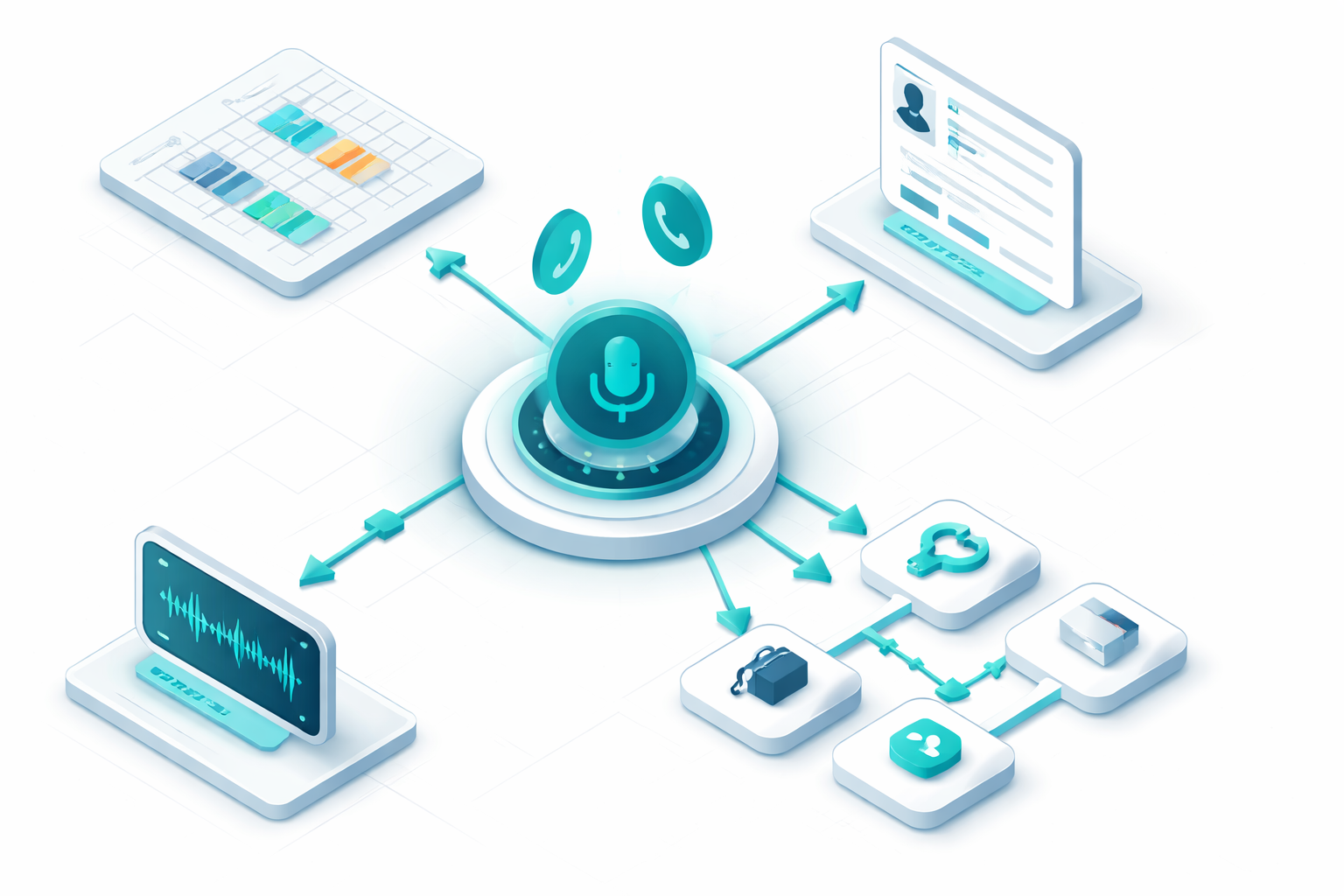
We build AI receptionist systems that extend across communication channels rather than handling only inbound calls. The AI that answers the phone at your South Loop restaurant also handles the website chat, the Instagram DMs, and the Google Business messages, maintaining consistent information and tone across all channels. A customer who asks about your dinner reservations on Instagram and then calls to confirm gets the same answer and the same quality of interaction, because the same AI is handling both with access to the same knowledge base.
For South Loop professional services firms that receive initial inquiries across multiple channels, a unified AI receptionist means no inquiry falls through a channel gap. A prospective client who sends a website contact form inquiry and then calls two days later is not treated as two separate leads by two separate systems. The unified AI tracks the interactions and routes the qualified lead to the appropriate team member with the full conversation history attached.
This multi-channel approach is particularly valuable during high-traffic periods when McCormick Place events are bringing elevated volume across all your channels simultaneously. Rather than some channels going unanswered while staff handles phone volume, the AI scales across all channels without degrading on any of them.
South Loop Use Cases
The convention economy around McCormick Place creates a specific AI receptionist opportunity: when a major event is running, the volume of incoming calls from convention-adjacent customers can spike dramatically in a short window. An AI receptionist handles that spike without degrading call quality or requiring emergency staffing adjustments. A South Loop hotel near Cermak Road during a major trade show gets every incoming call answered promptly. A nearby restaurant handling convention group bookings fields every inquiry with the same quality response whether it is the first call of the day or the fiftieth.
Printers Row's mix of independent businesses, including the small professional offices along Dearborn Street and the independent retailers that define the corridor's character, represents the kind of small-footprint operation where a human receptionist is not cost-effective but missed calls are genuinely costly. An AI receptionist gives these businesses professional call handling at a fraction of the cost of a part-time staff member, with coverage that extends to hours when a part-time employee would not be working.
The residential towers along Michigan Avenue, Wabash Avenue, and State Street create high-volume, routine communication needs that make AI receptionist systems particularly valuable for property management companies. Tenant inquiries about maintenance status, package deliveries, amenity bookings, and building policies repeat predictably throughout the day. Handling these at scale without consuming management staff time is exactly what AI receptionists do best.