How We Build AI Data Pipelines in South Loop
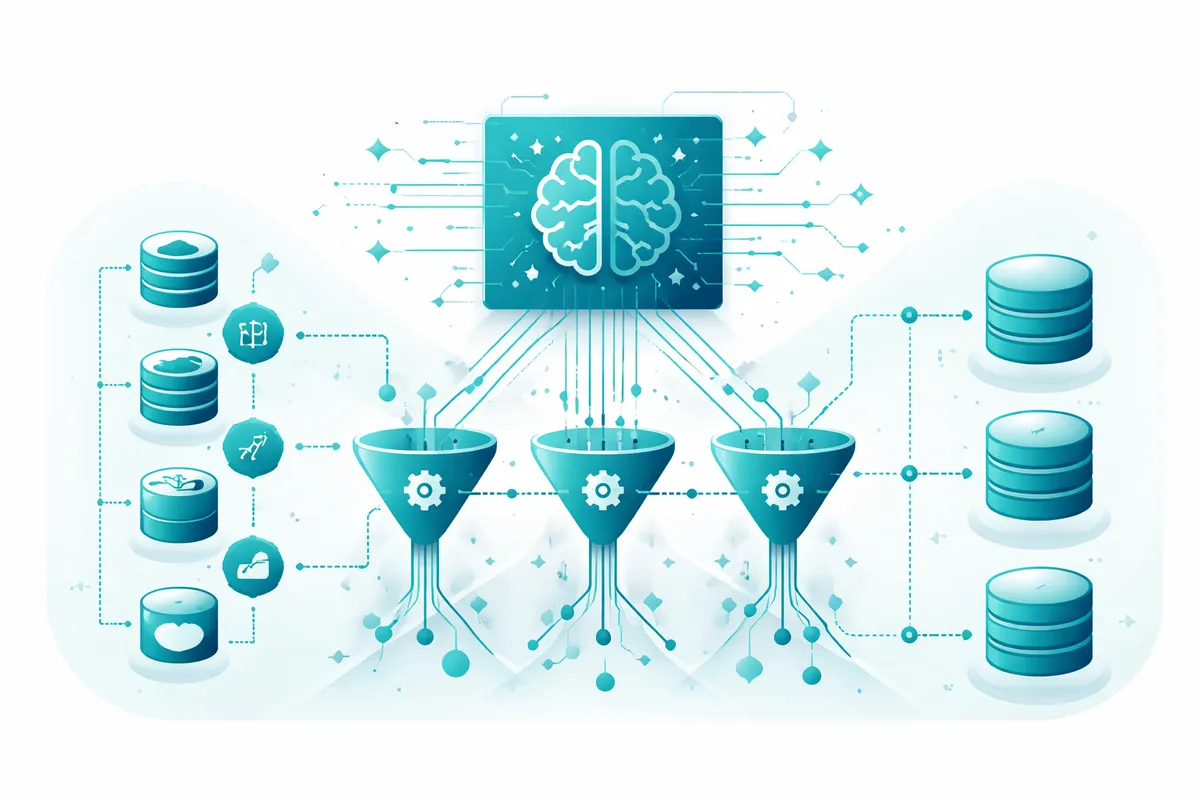
We audit your current tools and map every data flow that matters to your business. Then we build automated pipelines that pull data on schedule or in real time depending on the time-sensitivity of each data source. For restaurants near Roosevelt Road and Museum Campus, we connect POS data with delivery platform analytics, reservation systems, food cost tracking, and the Soldier Field and McCormick Place event calendars so you can see exactly how each event type affects your bottom line, not just your top line.
For property managers along Michigan Avenue and State Street, we link maintenance systems, tenant portals, leasing databases, and financial software into unified operational dashboards that give the management team a single view of portfolio performance across every building. For retail shops in Printers Row, we sync point-of-sale, inventory, e-commerce, and foot traffic data into a single reporting layer that tracks true customer acquisition cost and product performance by channel and by customer segment.
Industries We Serve in South Loop
Restaurants near Museum Campus and Soldier Field use data pipelines to correlate event schedules with granular sales data. The pipeline answers questions that no individual system can answer alone: do Bears games increase profit or just volume? Which Museum Campus exhibits drive the most dinner traffic? What is the actual revenue impact of a McCormick Place convention week versus a quiet week with no major events? One Roosevelt Road restaurant discovered that convention weeks were forty percent more profitable than game days despite similar cover counts, because convention diners had higher average checks and lower discount usage. That insight changed how the restaurant priced specials and managed reservations during each event type going forward.
Property management companies in South Loop's residential towers connect maintenance, leasing, financial, and tenant communication data into unified dashboards that make large portfolio management genuinely manageable. Managers see maintenance request patterns by building, floor, and unit type, enabling proactive maintenance planning before problems escalate into emergency repairs. Leasing data connects to marketing spend so the company knows which acquisition channels bring the best long-term tenants. Financial reporting that previously consumed a full day generates automatically each morning.
Retail businesses in Printers Row and along State Street sync in-store and online sales with inventory and marketing data to track true performance across channels. The pipeline reveals which products sell to residents versus tourists, which marketing channels drive the highest-margin customers, and when to reorder seasonal inventory based on actual sell-through rates rather than calendar guesswork and prior-year assumptions.
Professional services firms along Wabash Avenue and Michigan Avenue connect client relationship data, billing systems, and time tracking into unified performance dashboards that show practice area profitability, billable hour trends, and business development pipeline health in a single view that requires no manual assembly.
Event and convention services businesses near McCormick Place connect event calendar data, client relationship systems, staffing logs, and billing into pipelines that make event-by-event profitability analysis automatic rather than a post-event accounting exercise.
Creative businesses on Wabash Avenue near Columbia College connect project management, client billing, time tracking, and marketing performance into dashboards that show which client categories and project types generate the best margins and which the agency should deprioritize in business development.
What to Expect Working With Us
1. Event-aware data audit. We document every platform you use and map how event-driven demand patterns affect your data. For South Loop businesses, this often means integrating external event calendar data from Soldier Field, Museum Campus, and McCormick Place alongside your commercial operational systems.
2. Event correlation pipeline design. We design connections that enable the specific analytics South Loop businesses need: event-to-revenue correlation, convention week versus game day comparisons, and resident versus visitor segment analysis that no individual platform provides on its own.
3. Unified operational dashboards. We build dashboards tailored to South Loop business models, with event overlays, multi-channel revenue views, and the comparative analytics that answer the questions operators actually have at the start of their workday.
4. Ongoing monitoring and expansion. Pipelines run continuously with error monitoring and alerting. We expand coverage as new data sources become relevant and add new analytical layers as business questions evolve with the neighborhood's continued development.