How We Build POS Systems for Schaumburg
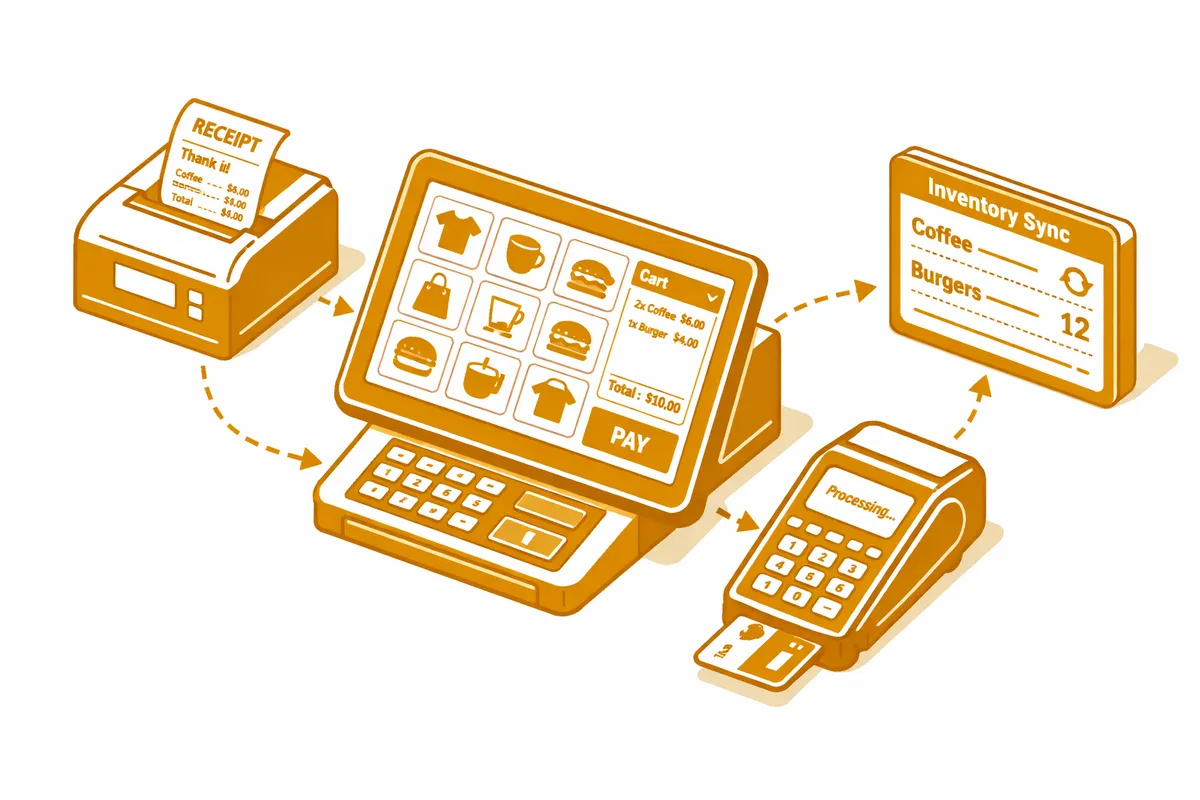
Schaumburg implementations are designed for volume and integration from the start. The assessment process includes a transaction volume analysis that identifies peak throughput requirements, a multi-location architecture design if applicable, and an integration audit that maps the corporate systems the POS needs to connect with.
Platform selection for Schaumburg's full-service restaurants points toward Revel or Toast for their multi-unit management capability, enterprise reporting depth, and integration with third-party accounting and loyalty platforms. For high-volume retail operations, Lightspeed's enterprise tier handles the SKU depth, multi-location inventory management, and the analytics reporting that larger retailers need. For hospitality operations near the Schaumburg Convention Center, we evaluate platforms with hotel PMS integration capability for properties where the restaurant is connected to an adjacent hotel.
Hardware specification for Schaumburg environments is more demanding than for neighborhood operations. We specify commercial-grade terminals rated for high daily transaction volumes, redundant payment hardware so that a single reader failure does not create a queue, and network architecture with automatic failover so that a single access point outage does not take down checkout capability. For restaurant groups with multiple Schaumburg locations, we standardize hardware across locations so that staff can transfer between sites without relearning different hardware configurations.
Enterprise reporting for Schaumburg operators typically requires output in formats compatible with corporate accounting systems: QuickBooks, Sage Intacct, or the hospitality-specific accounting platforms used by hotel and restaurant groups. We design the reporting output format and the integration schedule, whether daily push or near-real-time sync, during the system design phase so that the finance team's requirements are met from launch.
Industries We Serve in Schaumburg
Full-service restaurants near Woodfield Mall on Golf Road and Woodfield Road serve a corporate lunch, family dinner, and convention catering mix that requires enterprise POS configurations. Table management for 200-plus cover capacities, catering module for convention and event business, and the multi-location reporting that a restaurant group managing Schaumburg alongside other northwest suburban locations needs are standard configuration items. We configure these restaurants for the mid-week corporate lunch peak as well as the weekend family dining surge without requiring manual reconfiguration between service types.
High-volume retail near Woodfield Mall on Roselle Road and Meacham Road processes transaction volumes that demand commercial-grade hardware and enterprise inventory management. We configure these operations with the SKU depth that a full retail assortment requires, the multi-location inventory visibility for retailers with additional locations, and the payment processing breadth that handles international cards, mobile payments, and corporate purchasing cards. Gift card programs that operate across multiple locations are standard configuration for retail chains in the Schaumburg orbit.
Hotels and conference facilities near the Schaumburg Convention Center on Woodfield Road manage multi-outlet food and beverage service alongside room and meeting revenue. We build POS implementations for hotel F&B that integrate with the property management system, configure multi-outlet reporting across restaurant, bar, and catering, and produce the event revenue reports that the sales team shares with clients. For properties with a ballroom and multiple breakout rooms, the catering POS configuration handles the revenue complexity of multiple simultaneous events with different menus, service styles, and billing arrangements.
Experience dining and entertainment venues like the Medieval Times operation on Roselle Road manage high-volume food service embedded in a ticketed entertainment experience. The POS configuration for these operations handles pre-assigned seating with meal packages, beverage service to fixed seating, and the retail transaction at the gift shop adjacent to the experience. We configure these operations with the ticketing integration, per-seat revenue tracking, and the event-end settlement workflow that processes a full house's F&B charges at a single event end time.
Corporate office cafeterias and dining programs in Schaumburg's technology employer corridor on Higgins Road and Schaumburg Road serve a captive employee base with subsidized dining programs, payroll deduction payment options, and the daily transaction volume that corporate food service generates. We configure these operations with the payroll deduction integration, subsidy discount workflow, and the corporate reporting that the facilities management team needs for cost center allocation.
Medical and healthcare practices in the Schaumburg healthcare office corridor on Golf Road and Meacham Road handle co-pay collection, outstanding balance payment, and the payment plan management that healthcare revenue cycle requires. We configure these practices with healthcare-specific payment workflows, HSA and FSA card acceptance, and the integration with practice management software that connects payment collection to the patient account record.
What to Expect Working With Us
1. Volume and integration assessment. Before recommending any system, we assess your transaction volume, multi-location structure if applicable, and the corporate systems you need to integrate with. Schaumburg operators are more likely to have specific enterprise integration requirements than neighborhood operators, and those requirements need to be confirmed before platform selection.
2. Enterprise platform configuration. For multi-unit operators, we configure the management hierarchy, user permission structure, and reporting taxonomy that enterprise operations require. Location managers see their location data. Regional managers see their portfolio. Corporate sees the consolidated view with drill-down capability.
3. Hardware load testing. Every Schaumburg deployment includes load testing at simulated peak transaction volume before go-live. We benchmark payment processing throughput, terminal response time under concurrent load, and network failover behavior before the system processes its first live transaction.
4. Integration verification with corporate systems. For operators with corporate accounting, loyalty, or reporting systems, we verify the integration output against the corporate system's requirements before launch and document the data flow so that the internal IT team understands how the integration works and how to troubleshoot it.