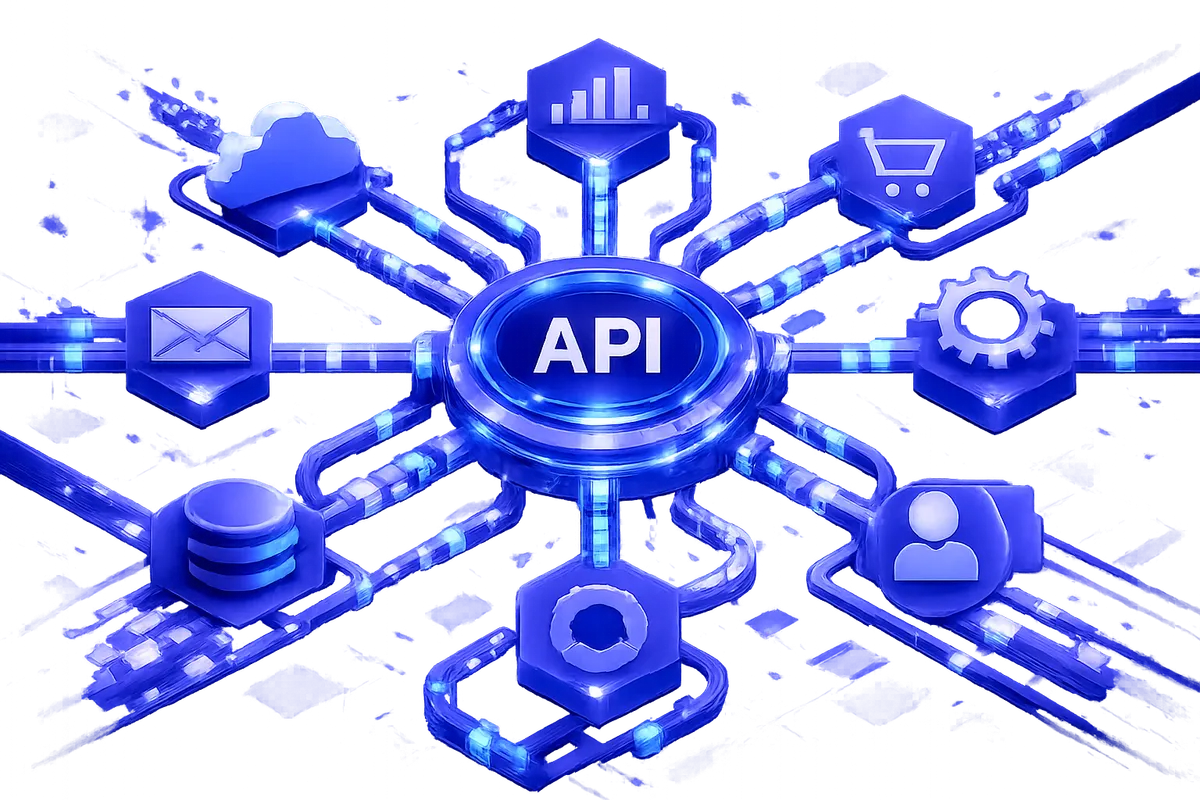
How We Build API Integration Services for Schaumburg
Integration projects in Schaumburg corporate environments require more stakeholder coordination than projects in smaller organizations. Enterprise clients typically have IT security review requirements, vendor approval processes, and change management procedures that affect how integrations are designed, tested, and deployed. We build these requirements into our project timeline from the start, not as obstacles discovered after scoping is complete.
The technical approach begins with the same systems audit used for any integration engagement: documenting every platform in the stack, every data flow that currently exists (automated or manual), and every gap where data should move but does not. For Schaumburg corporate clients with large existing software estates, this audit may cover fifteen to thirty distinct platforms. The output is an integration map that the IT team and operations leadership can align on before a single line of integration code is written.
From the audit, we build an integration architecture that accounts for Schaumburg enterprise requirements: single sign-on compatibility, data residency considerations for regulated industries like insurance and healthcare, audit logging for integration events, and role-based access control for integration monitoring tools. Corporate environments in Schaumburg have compliance requirements that consumer and small-business integration platforms were not designed to meet. We build integrations that satisfy those requirements from the ground up.
We integrate with the platforms that Schaumburg corporate tenants actually run: Salesforce, ServiceNow, Workday, SAP, Oracle, and the mid-market equivalents common in insurance and healthcare. We also integrate with the purpose-built industry platforms common in Schaumburg's core industries: Applied Epic for insurance agencies, Epic Systems and Athenahealth for healthcare practices, and the range of project and resource management platforms used by consulting and technology firms.
Industries We Serve in Schaumburg
Insurance agencies and regional carriers along Golf Road integrate policy management platforms with CRM systems, e-signature tools, commission tracking software, and client portals. The integration between the policy management system and the CRM is the highest-value connection for most insurance operations: when a policy renews, downgrades, or lapses in the policy system, the CRM record updates automatically, and the assigned agent receives the alert that triggers their follow-up workflow without anyone manually monitoring a report.
Corporate technology firms and IT services companies on Woodfield Road integrate customer success platforms with billing systems, support ticket tools, and product usage analytics. When a customer's contract data in billing is synchronized with their profile in the customer success platform, account managers see the full picture of what each customer has purchased, what they are using, and when their contract is up for renewal, without logging into three separate systems.
Healthcare offices and specialty medical practices near the Schaumburg Convention Center integrate scheduling platforms, electronic health record systems, insurance verification tools, and patient billing platforms. When a new patient's demographic information flows from the scheduling platform to the EHR and then to the billing system automatically, the intake process is faster for the patient and the billing team starts with accurate data rather than re-entering what the patient already provided.
Corporate headquarters and regional offices along Meacham Road and Higgins Road integrate HR platforms with IT provisioning systems, benefits management tools, and expense management software. When a new employee is added to the HRIS, the integration layer provisions their accounts, assigns their benefits package, and alerts the equipment provisioning team, reducing onboarding time from a multi-day manual process to an automated workflow completed before the employee's first day.
Hotel and convention properties near the Schaumburg Convention Center integrate property management systems with event management platforms, catering management tools, and revenue management software. For a Schaumburg convention hotel where group business represents forty percent of revenue, the integration between the group sales system and the PMS determines how accurately room blocks are reflected in the available inventory shown to transient booking channels.
Retail and franchise operations near Woodfield Mall integrate POS systems with inventory management, loyalty programs, and financial reporting platforms. When the daily sales data from a multi-location retail operation flows to the accounting system automatically each night, the finance team starts each morning with current figures rather than waiting for individual location managers to submit their daily reports.
What to Expect Working With Us
1. Enterprise integration audit. We document your full software estate, existing integration architecture, and manual data processes with the level of detail that enterprise IT teams require: data flows, system owners, security classification of data in transit, and current integration tools or middleware already deployed. For large Schaumburg corporate clients, this audit takes two to three weeks and produces documentation that serves your IT team as an ongoing reference.
2. Integration architecture design with security review. We design the integration layer against your specific security and compliance requirements, presenting the architecture for review by your IT security team before implementation begins. Corporate environments require this step, and skipping it creates integration debt of a different kind: integrations built without security review that have to be rebuilt to meet compliance requirements discovered later.
3. Phased implementation with parallel validation. We build and test each integration in a staging environment that mirrors your production systems, then run the integration in parallel with existing manual processes for a defined validation period. Parallel running is particularly important in regulated industries where errors in billing or claims data carry regulatory consequences.
4. Monitoring infrastructure and IT handoff. We deploy monitoring with the integration tools and dashboards that your IT operations team can manage: alert routing to your existing incident management system, log retention that meets your compliance requirements, and runbooks documenting the integration architecture so your team can troubleshoot and maintain the integrations independently.