How We Build API Integration for Roscoe Village
The first conversation usually starts with a question about a specific pain point: why does inventory not update until the next morning, or why do online orders not appear in the POS until a staff member manually enters them. We trace that pain to its source, which almost always turns out to be two systems with incompatible data formats and no shared authentication layer. For a Roscoe Street wine bar, that gap might exist between the reservation platform, the point-of-sale system, and the email marketing tool. For a boutique children's retailer near Addison Street, it might sit between the Shopify storefront, the inventory manager, and the loyalty program.
We map every system your business currently uses, document what data lives where, and identify the integration points that would eliminate the most repetitive work or unlock the most valuable reporting. For most Roscoe Village retailers and service businesses, the highest-value integrations connect customer data, purchase history, and communication tools, because the neighborhood's repeat-customer economy rewards businesses that remember their clients.
The build phase is deliberate rather than fast. We test each connection against your real data before anything goes live, because a broken webhook that silently drops orders costs more than a cautious launch timeline. After deployment, we document every integration in plain language your team can reference without a developer on call.
Industries We Serve in Roscoe Village
Independent restaurants and wine bars along Roscoe Street generate customer data across reservations, POS transactions, and delivery platforms that almost never live in the same place. We connect those streams so a wine bar can identify its twenty highest-value regulars, track what they order, and automate a birthday email that feels personal without requiring staff time.
Boutique retail shops between Belmont Avenue and Addison Street often run separate systems for in-store POS, online inventory, and email marketing. When a jacket sells out in-store and the website still shows it available, the resulting customer complaint damages trust that took years to build. API integration keeps inventory counts synchronized in real time across every channel.
A preschool or early childhood center near Jahn Elementary has enrollment paperwork, tuition billing, and parent communication scattered across three or four tools. Connecting enrollment records to billing software via API eliminates manual invoicing and lets directors see at a glance which families are current and which need follow-up, all without building a spreadsheet every month.
Pediatric practices on the residential blocks west of Damen Avenue collect appointment data, patient histories, and billing records in systems that rarely communicate. We build integrations that connect scheduling platforms to practice management software and automated reminder tools, reducing no-show rates and cutting administrative time per patient.
Pet services businesses, from groomers to dog walkers operating out of storefronts near Western Avenue, book appointments, charge recurring clients, and maintain pet health records in ways that multiply manual steps. An API connecting their scheduling tool, payment processor, and client CRM means a groomer can send a "time for your pup's next appointment" message automatically sixty days after the last visit.
Specialty food and beverage retailers, including bottle shops and cheese counters that serve Roscoe Village's food-focused residents, use API integration to sync wholesale ordering systems with retail inventory, trigger purchase orders when stock hits a threshold, and push weekly inventory updates to their website menus without manual edits.
What to Expect Working With Us
1. Systems audit and friction map. We walk through every tool your business uses and chart where data moves, where it stalls, and where staff manually bridge gaps that should be automated. For a Roscoe Street boutique, this often takes one session and produces a list of five to eight specific integration opportunities ranked by time savings.
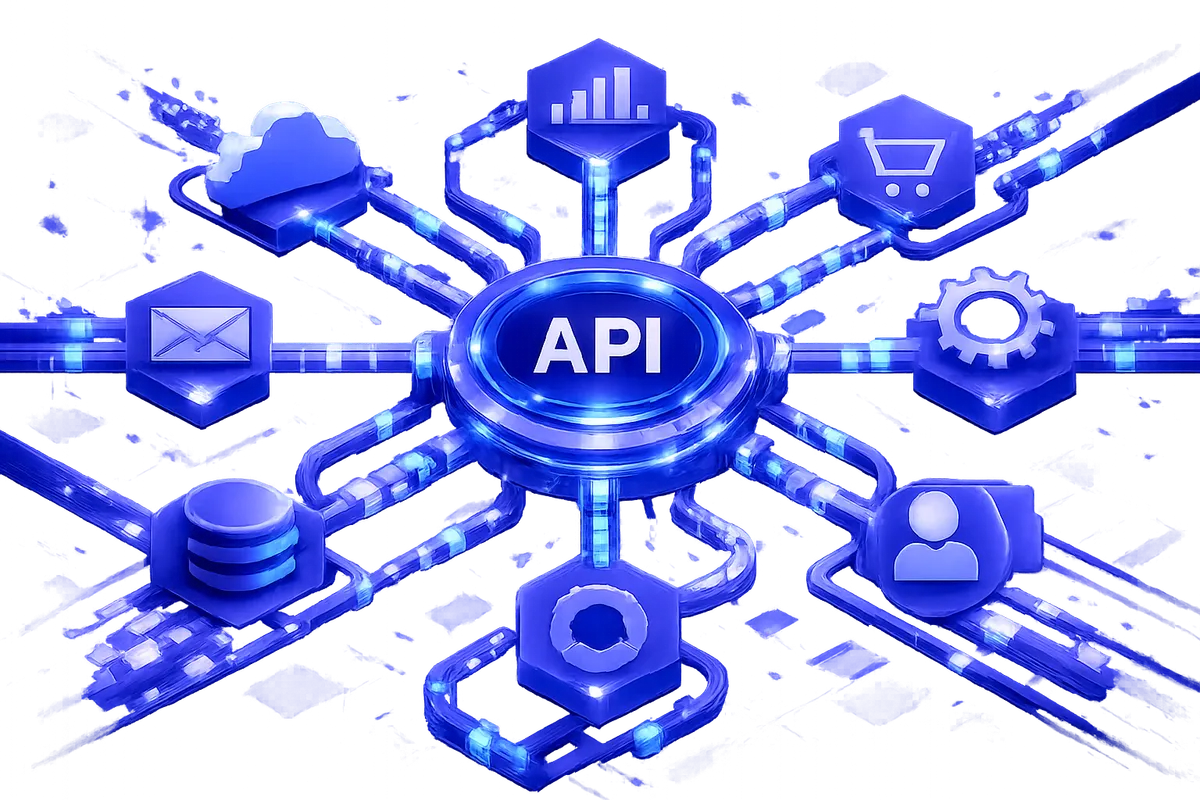
2. Integration architecture and prioritization. We design the connection logic before writing a line of code. You see a plain-language diagram of what connects to what, what triggers each data transfer, and what happens when an error occurs. We build the highest-value integration first so you see returns quickly rather than waiting for a multi-month build.
3. Build, test, and document. Every integration gets tested against real transaction volumes before it touches your live data. We run parallel systems for a two-week period so you can verify the integration is accurate before switching off the manual process. Documentation goes to your team in plain language, not a developer's README.
4. Monitoring and iteration tied to your seasonal calendar. We stay active after launch, watching error logs during high-traffic periods like Hamlin Park summer programming and the back-to-school rush in early September. If a new software update breaks a connection, we catch it before your team notices. Integrations evolve as your business adds tools.