How We Build Voice AI for Rogers Park
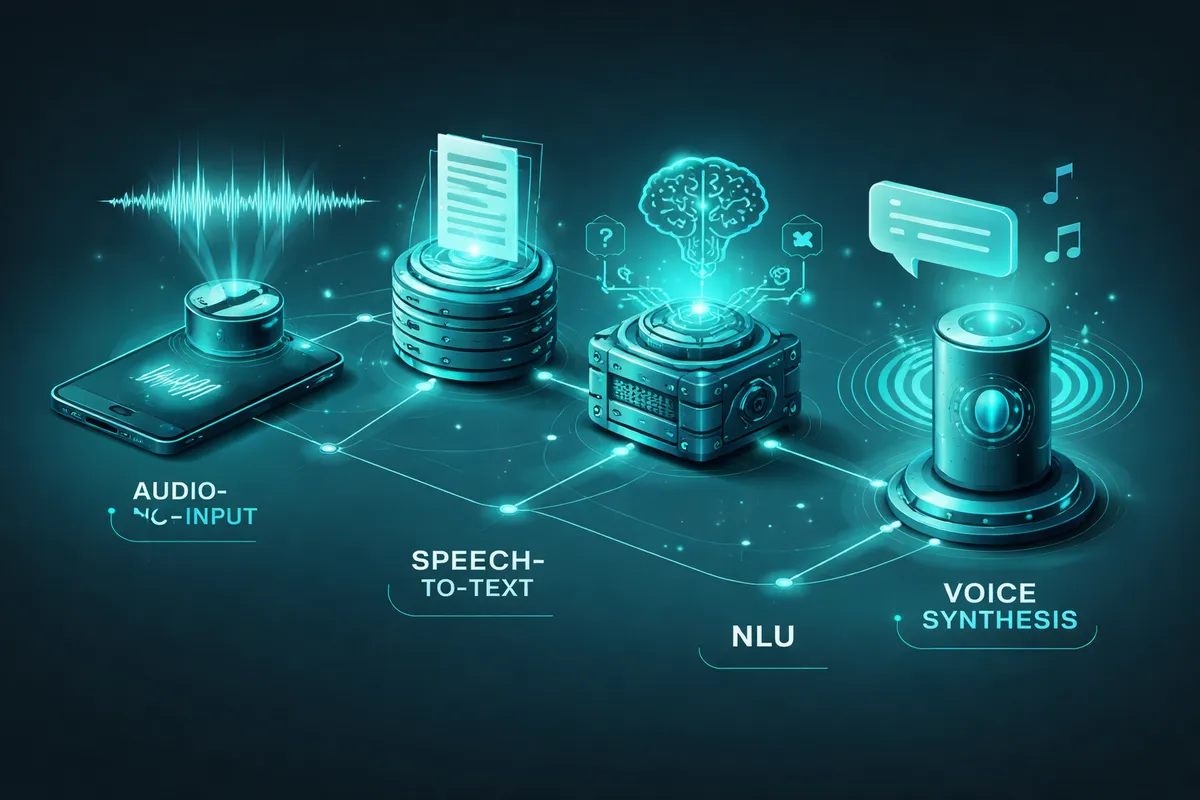
We start with call flow analysis. We review your actual incoming call patterns: what callers ask, how they phrase their requests, what outcomes they need, and where current phone handling creates friction or failure. For a Rogers Park restaurant, this means categorizing calls by type (reservations, hours, menu questions, catering inquiries, delivery questions) and building voice AI flows for each category. For a community organization, it means mapping the intake and referral conversations that currently require staff time.
Language configuration is the center of the build for Rogers Park clients. We configure voice AI to detect the caller's language from the first words spoken and route the entire conversation through that language. If a caller begins in Amharic, the voice AI responds in Amharic throughout. If the same system receives a Spanish call thirty seconds later, it handles that call in Spanish. Language detection works for the major languages of Rogers Park's communities: English, Spanish, Amharic, Yoruba, Vietnamese, Polish, and others as specific to your business's callers.
The voice quality and naturalness of the AI significantly affects caller experience. We test across the voices and response patterns available in current voice AI technology to select the configuration that sounds most natural for your callers and your business context. A Howard Street restaurant that serves a community with specific cultural expectations about service tone needs a voice AI that meets those expectations, not a generic corporate-sounding automated system.
Integration with your existing systems determines what the voice AI can actually do. A restaurant voice AI integrated with your reservation system can book reservations in real time, not just take down a name and number for callback. A health organization voice AI integrated with your scheduling system can check appointment availability and book slots without staff intervention. Integration depth determines capability depth.
Industries We Serve in Rogers Park
Ethiopian and East African restaurants along Howard Street use voice AI for reservation booking, hours and menu inquiries, catering request routing, and after-hours information. The AI handles calls in Amharic, English, and other relevant languages, ensures no call is missed during dinner service, and books reservations directly into the restaurant's system without staff involvement.
Community organizations and nonprofits including A Just Harvest and RPCAN use voice AI for intake calls, program information, resource referrals, and routing to appropriate staff. For organizations where missed calls mean missed service to community members who needed help, 24/7 AI coverage is a service quality improvement.
Health services organizations near Sheridan Road, including those serving LGBTQ+ communities and communities of color, use voice AI for appointment scheduling, after-hours care information, and intake question collection that prepares staff for the conversation before the caller reaches a human. Privacy-sensitive voice AI for health organizations includes call handling that doesn't retain sensitive information inappropriately.
Independent restaurants and cafes along Clark Street and Morse Avenue use voice AI for after-hours reservation booking, hours and location information, and special event inquiries. The Loyola-adjacent businesses that receive high call volume from students who research late at night benefit from 24/7 coverage that doesn't require staffing.
Legal aid and social services organizations serving Rogers Park's diverse populations use voice AI for intake screening, appointment scheduling, and resource information in multiple languages. Callers who speak languages other than English get the same quality of initial service as English speakers, which is foundational to equitable access.
What to Expect Working With Us
1. Call flow analysis and design. We analyze your current call patterns, design the voice AI conversation flows for each call type, and identify the system integrations required for the AI to take action (booking appointments, checking hours, routing calls). For Rogers Park clients, language configuration is designed during this phase: which languages, which voices, and what the language detection threshold is.
2. Language configuration and voice selection. We configure multilingual capability for your specific caller community, test voice quality and naturalness across languages, and calibrate response patterns for your business's tone and context. A Howard Street restaurant and a community health organization have different appropriate tones; the voice AI reflects that.
3. Integration and testing. We integrate the voice AI with your reservation system, scheduling platform, or other relevant systems, and run comprehensive testing across call types and languages. Testing includes simulated calls from speakers of each configured language who evaluate whether the AI sounds natural and handles their requests accurately.
4. Launch and monitoring. We launch the voice AI and monitor call handling during the initial period, refining responses for the inquiry types that don't resolve cleanly in early operation. Monthly reports cover call volume by type and language, resolution rate, escalation rate, and any patterns that indicate conversation flows that need adjustment.