How We Produce Video for Rogers Park
Pre-production is where everything that matters is established before any camera turns on. We understand your story, your audience, and your distribution strategy. A Howard Street restaurant video intended for Instagram Reels and a documentary about a Rogers Park nonprofit intended for a grant audience have completely different structure, length, and production approach. Getting this right before production saves time and budget during the shoot and prevents the outcome where the footage is excellent and the story isn't.
For Rogers Park productions, we scout locations in the neighborhood specifically: we find the light that works on Morse at different times of day, we know the visual frames along Greenleaf Avenue that put the neighborhood's character into a shot without requiring explanation. We cast the interviews with real community members, not actors, because authentic neighborhood voices tell better stories than scripted ones.
Production on Rogers Park locations requires awareness of the neighborhood's rhythms. The Glenwood Sunday Market on Glenwood Avenue south of Morse is extraordinary to film on a busy Sunday morning. Howard Street restaurants are best shot during evening service when the community is present. Pratt Beach works differently as a location at sunrise versus the middle of a summer afternoon. We work with your schedule and the neighborhood's schedule together.
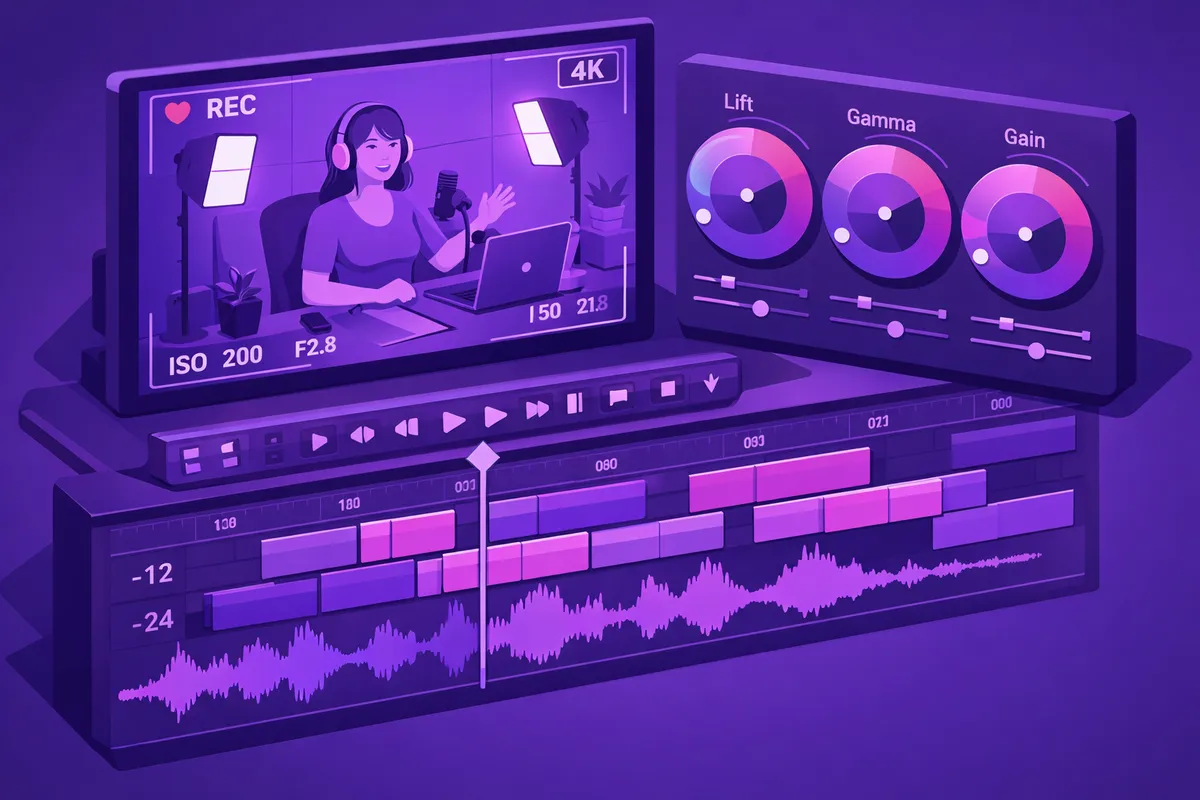
Post-production delivers finished video optimized for your distribution channels. That means different aspect ratios for Instagram versus YouTube, captions for accessibility and social media muted viewing, and the color grade that matches your brand or the documentary aesthetic the piece requires.
Industries We Serve in Rogers Park
Ethnic restaurants and food businesses along Howard Street and Clark Street tell their story through food documentary, behind-the-scenes kitchen footage, and community profile. An Ethiopian restaurant that shows the preparation of injera, the sourcing of teff, and the faces of the community that fills it nightly tells a story the dining market responds to.
Community organizations and nonprofits including A Just Harvest, RPCAN, and Howard Brown Health produce donor videos, program documentaries, impact testimonials, and annual report films. Video that makes the work real and human raises more money and builds stronger community relationships than text-only communications.
Cultural venues and performing arts organizations near Mayne Stage and Lifeline Theatre document performances, produce promotional trailers for upcoming shows, create artist profiles, and build the video archive that represents the neighborhood's cultural life to outside audiences.
The Rogers Park Food Co-op and cooperative businesses tell their origin story, their values, and their community impact through video that reaches prospective members and demonstrates the cooperative model to audiences unfamiliar with it.
Loyola University Chicago adjacent organizations including student groups, research initiatives, and faculty projects produce documentary content, event coverage, and promotional video that represents the university's community engagement and the neighborhood it's embedded in.
What to Expect Working With Us
1. Story development and pre-production. We develop the story, write the treatment, plan the production schedule, scout locations in Rogers Park, and identify the interview subjects and visual elements that will carry the film. For organizations without a clear video strategy, this phase includes discussion of how the video fits your broader communications and marketing goals.
2. Production. We shoot on the schedule and locations established in pre-production. For Rogers Park productions, we bring equipment appropriate to the environments we're working in, from the low-light indoor conditions of a Howard Street restaurant during dinner service to the open light of Pratt Beach on a summer afternoon. We conduct interviews, capture b-roll, and document the footage needed for the editorial vision.
3. Post-production. We edit the footage, add music, apply color grading, create captions, and deliver final exports for your distribution channels. The first cut is reviewed with you and revised based on your feedback. For nonprofit videos, we often do two rounds of revision to ensure the video accurately represents the program and the people featured.
4. Delivery and distribution guidance. We deliver final files formatted for every platform where you'll distribute, with guidance on posting strategy. A Rogers Park restaurant that produces a documentary-style brand video doesn't just need the file; they need to know where to publish it, when, and how to frame it for their specific audiences on Instagram, YouTube, and their website.