How We Build Supply Chain Automation for Rogers Park
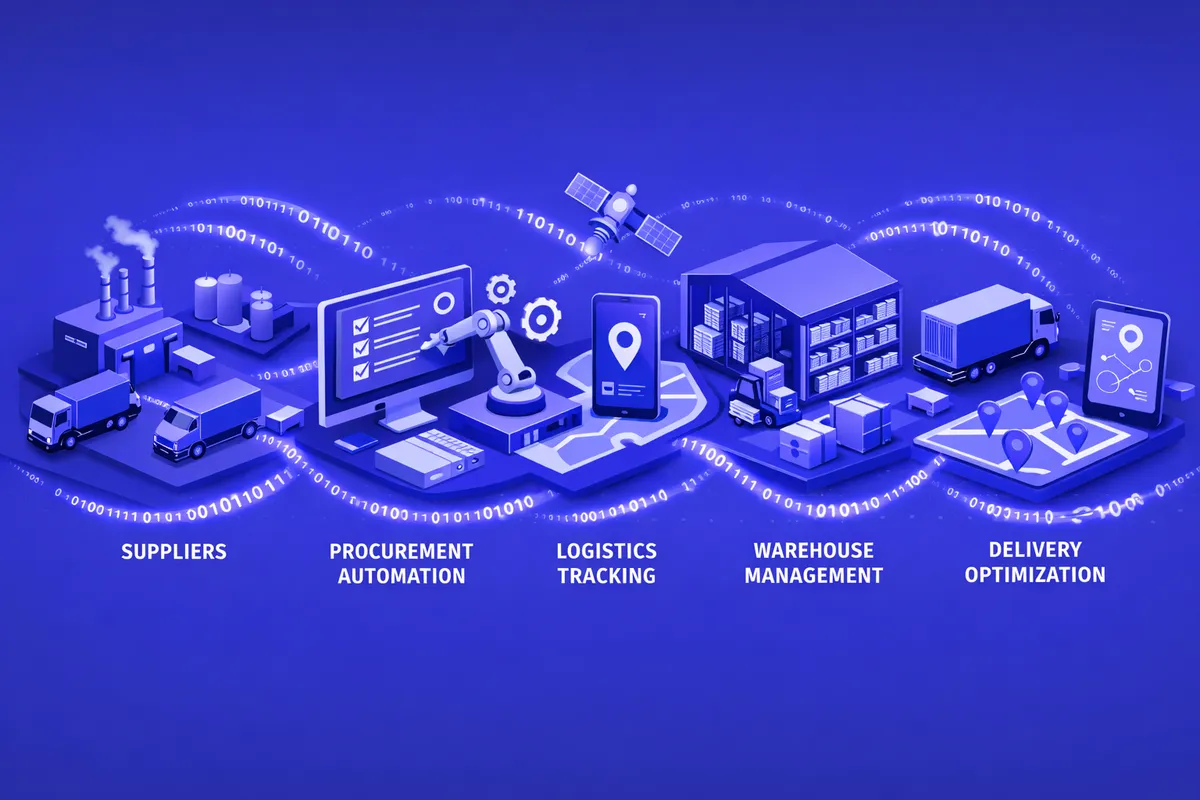
We begin with a complete supply chain audit. Every product category, every supplier relationship, every current ordering process, and every pain point in the current system gets documented. For a Rogers Park restaurant with complex specialty sourcing, that audit maps every ingredient to its supplier, lead time, minimum order, and the signals that currently trigger reorder. For a grocery or co-op, it maps SKU categories to sourcing channels and the purchasing cycles that keep inventory balanced.
From the audit we identify automation opportunities by impact. Not everything benefits equally from automation. The inventory tracking and reorder triggering for high-velocity items with predictable lead times are prime candidates. The specialty supplier relationships that require judgment calls about quality and availability are less appropriate for full automation. We build systems that automate the mechanical parts of supply chain management while preserving the human relationships and judgment that Rogers Park's specialty businesses depend on.
Integration with existing systems is central to the build. A supply chain automation system that requires entering data separately from your POS, your accounting software, and your existing supplier portals creates more work rather than less. We integrate with the systems you're already using so inventory levels update from sales in real time, reorder triggers fire automatically when stock reaches thresholds, and purchase orders generate from current supplier pricing without manual entry.
Industries We Serve in Rogers Park
Ethiopian, Eritrean, and specialty cultural restaurants along Howard Street and throughout the neighborhood source ingredients across a complex supplier network. We build inventory tracking that handles the specific units and pack sizes for specialty ingredients, automated reorder systems calibrated to the restaurant's actual consumption rates and supplier lead times, and supplier communication tools that maintain the relationship records critical to specialty sourcing.
The Rogers Park Food Co-op and natural food businesses have supply chain needs that include cooperative purchasing network relationships, supplier ethics documentation, and the seasonal availability patterns of local and regional farm sourcing. We automate the operational logistics while building systems that track the values-alignment information the co-op's purchasing governance requires.
Pakistani, Vietnamese, and other ethnic grocery stores near Devon Avenue and throughout the neighborhood manage large SKU counts across specialty import suppliers with variable availability. We build inventory systems that handle multilingual product data, import-specific lead times, and the seasonal availability patterns of specialty international products.
Nonprofit food programs including A Just Harvest's food resource programs manage procurement across food bank relationships, direct purchasing, and donation coordination. Automation that tracks inventory across channels, triggers procurement actions when supply is needed, and generates the reporting that grant accountability requires makes these programs more effective and reduces administrative burden.
Community restaurants and catering operations serving Rogers Park's diverse communities need supply chain systems that handle the event-driven demand spikes common in catering alongside regular restaurant operations, without the inventory errors that occur when both demand streams are managed manually.
What to Expect Working With Us
1. Supply chain audit and mapping. We document your current procurement process, supplier relationships, inventory management approach, and the manual workarounds that have accumulated where the current system fails. The audit produces a clear picture of where automation creates the most value and what the sequence of implementation should be.
2. System design and integration planning. We design the automation architecture and identify all system integrations required: POS, accounting, supplier portals, and any existing inventory tools. For Rogers Park businesses with supplier relationships outside mainstream distribution networks, we design the data structures to capture the information those relationships require.
3. Build and configuration. We build the automation system, configure reorder rules and thresholds based on your actual consumption rates and supplier lead times, and integrate with your existing systems. Rogers Park businesses with multilingual supplier relationships and specialty product data get systems configured for the actual data structures they work with.
4. Training and stabilization. We train your team on the new system and monitor closely during the first two purchasing cycles to catch any threshold configurations that need adjustment and any supplier data that needs correction. Supply chain automation requires a stabilization period where the automated rules get calibrated against real purchasing outcomes.