How We Build SaaS Platforms for Rogers Park
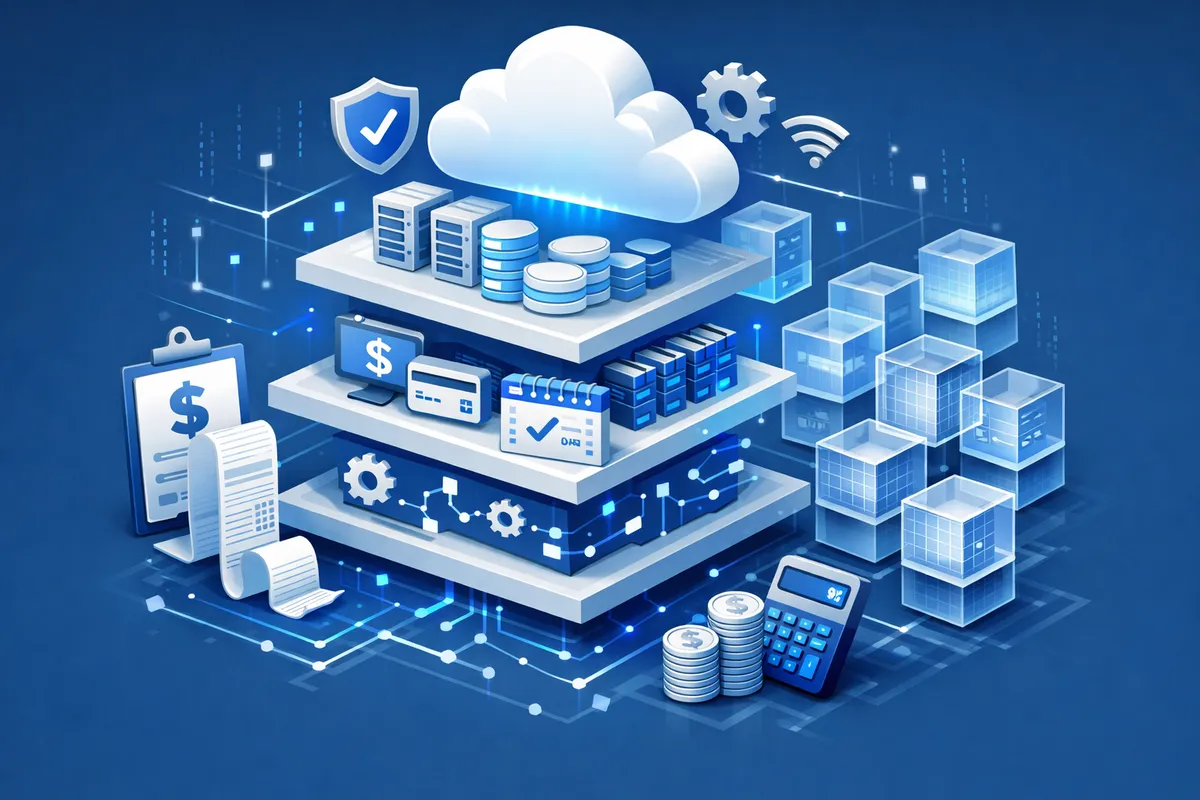
Every SaaS engagement begins with product architecture, not feature lists. We work with founders to define the core problem the platform solves, who the paying customers are, how the platform creates value for them, and what the simplest version is that demonstrates that value. For Rogers Park mission-driven founders, we also examine the business model: what pricing structure creates both affordability for community organizations and financial sustainability for the platform.
Multi-tenancy is the technical foundation of SaaS. The platform must serve multiple organizations, each with their own data, users, and configuration, without those organizations ever seeing each other's information or experience. We architect tenant isolation from the first line of code rather than retrofitting it later. For community organizations handling sensitive client data, tenant isolation isn't just a business requirement; it's a trust and compliance requirement.
Subscription billing infrastructure is built early. Stripe integration, plan configuration, upgrade and downgrade flows, trial management, and failed payment handling are all production concerns from the start. For platforms serving nonprofit customers, we also handle the specific billing scenarios that nonprofit procurement requires: annual invoicing, purchase order workflows, organizational payment methods.
The product development process is iterative. We build to the minimum viable product that demonstrates value to real users, deploy it to pilot organizations (often starting in Rogers Park's own community ecosystem), gather real usage feedback, and evolve the product based on what we learn. Rogers Park organizations that agree to pilot new platforms are a valuable testing environment because they represent the actual complexity of mission-driven organizations.
Industries We Serve in Rogers Park
Community organizing and advocacy platforms built by or for organizations like RPCAN address the case management, documentation, and coordination needs of tenant rights, housing advocacy, and community organizing work. A software platform that makes organizing work more efficient serves the movement, not just one organization.
Cooperative management systems serving Rogers Park's cooperative economy and potentially the broader cooperative business sector need features specific to cooperative governance: member management, equity tracking, democratic decision-making support, and the financial reporting that cooperative accountability requires.
Social services and nonprofit workflow platforms emerging from organizations like A Just Harvest address intake, case management, resource connection, and outcome tracking in ways that general-purpose CRMs don't. Rogers Park organizations that have solved these problems in their own context are natural founders for platforms serving peer organizations.
Education technology developed from Loyola-adjacent research and teaching innovation addresses learning needs across disciplines. Academic founders have deep content expertise and access to student populations for pilot testing; they need technical partners who can translate that expertise into scalable software.
Healthcare and health equity platforms emerging from organizations like Howard Brown Health address care coordination, patient navigation, and community health management for underserved populations. Health equity SaaS requires particular attention to data privacy, accessibility, and the specific workflow needs of community health settings.
What to Expect Working With Us
1. Product definition and architecture. We work with you to define the core product, its primary users, its pricing model, and its technical architecture. For Rogers Park founders with community organization backgrounds, this often includes significant work on the business model: translating mission-driven work into a software product that is financially sustainable requires explicit design.
2. MVP development and pilot launch. We build the minimum viable product and deploy it to your first pilot users. For Rogers Park founders, pilot users are often organizations in the immediate community network, which has the advantage of accessible feedback and real community investment in the product's success.
3. Iteration and growth infrastructure. We build on pilot feedback to develop the features and polish that move the product from MVP to a platform that organizations will pay for reliably. This phase includes subscription billing, user management, support infrastructure, and the administrative tooling that running a SaaS business requires.
4. Technical handoff and ongoing partnership. We document architecture decisions, establish development processes, and either transition the technical work to your team or continue as a technical partner as the product scales. Rogers Park founders building their first software products often need both the platform and the development practice that sustains it long-term.