How We Build Multi-Agent Systems for Rogers Park
System design begins with careful task decomposition. We identify the specific workflow or research task the multi-agent system should handle, break it into the sub-tasks that compose it, and determine which sub-tasks are appropriate for AI agent execution and which require human involvement. Not everything in a workflow should be automated. The design goal is to automate what automation does reliably and accurately while preserving human involvement where human judgment is genuinely necessary.
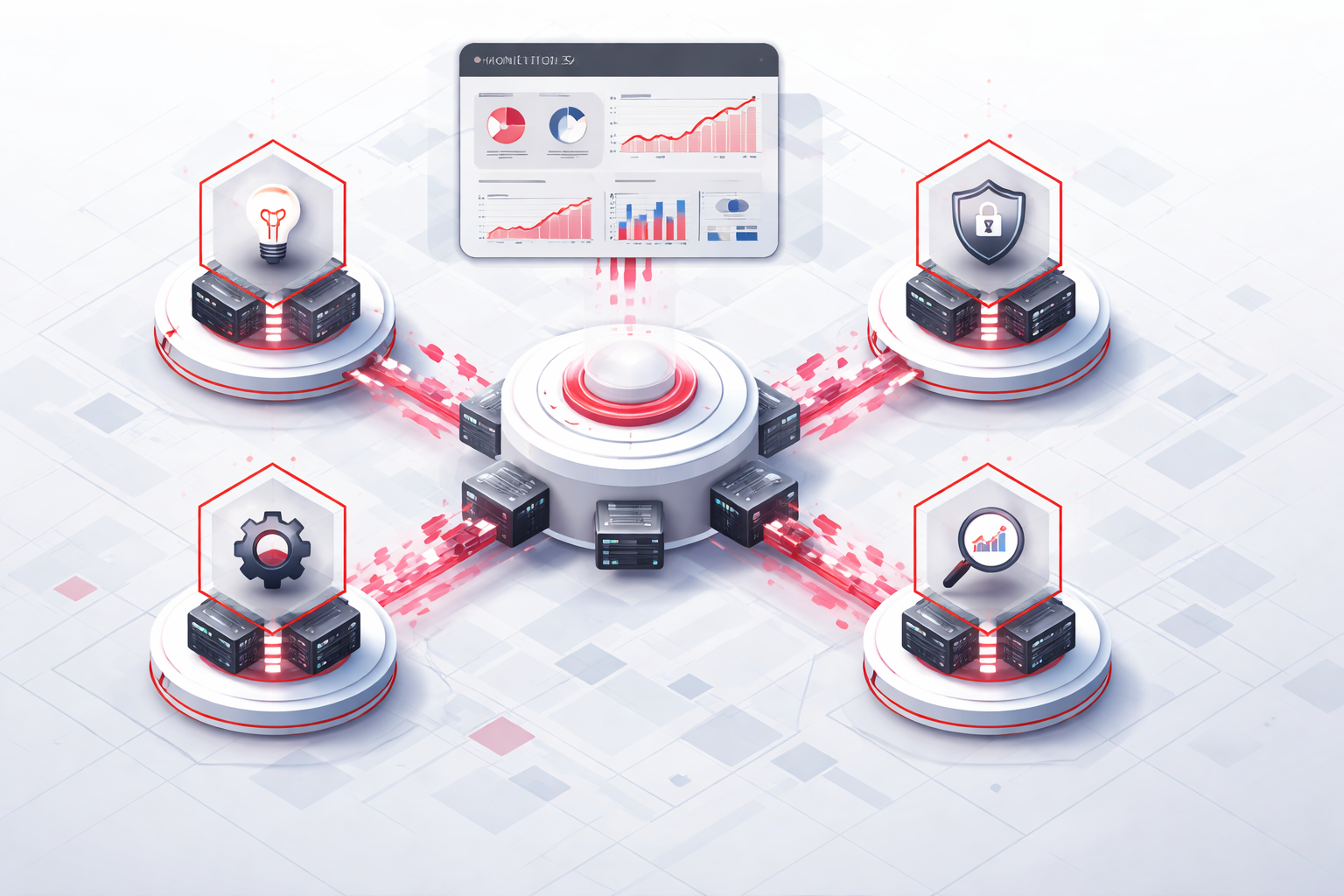
Agent orchestration architecture determines how individual agents communicate, how information flows between them, how errors in one agent's output are detected and handled, and how the system manages the case where an agent's output is not adequate for the next step in the workflow. For Rogers Park organizations, we typically design orchestration with explicit human checkpoints for outputs that will be used in high-stakes decisions, rather than fully autonomous end-to-end workflows.
Tool and data integration connects AI agents to the information sources they need to do their work. A multi-agent system designed to research housing assistance resources for Rogers Park families needs access to current program databases, eligibility criteria, and availability information. A development office multi-agent system researching funder priorities needs access to foundation databases, grantee lists, and the organization's own program documentation. We design the data access architecture that gives agents the information they need while maintaining appropriate security and access controls.
Testing and evaluation for multi-agent systems is more complex than for simpler AI applications because the system's behavior emerges from agent interactions rather than from a single model's outputs. We test multi-agent systems with realistic scenarios from your specific context, evaluate output quality across the range of inputs the system will encounter in operation, and identify the edge cases where agent outputs are less reliable so those cases can be routed to human review.
Industries We Serve in Rogers Park
Nonprofits and social service organizations benefit from multi-agent systems for case research, resource identification, service coordination, grant research, impact reporting, and the multi-source information assembly tasks that currently consume significant staff time. Systems designed to augment case managers rather than replace them can meaningfully increase the capacity of lean social service teams.
Healthcare and health services organizations including Howard Brown Health use multi-agent systems for population health analysis, care coordination support, clinical documentation assistance, and the research tasks that support evidence-based clinical decision-making. HIPAA compliance architecture is a mandatory design constraint for all healthcare multi-agent deployments.
Educational and research organizations including Loyola University Chicago's academic departments and research centers use multi-agent systems for literature review, research synthesis, data analysis, and the systematic review tasks that would otherwise require extensive research assistant hours.
Community organizing and advocacy organizations use multi-agent systems for policy research, community needs assessment data synthesis, stakeholder mapping, and the information gathering that supports community organizing strategy.
Independent businesses with sufficient operational complexity use multi-agent systems for market research, competitive intelligence, customer communication automation, and the information-intensive tasks that business owners currently handle manually or not at all because they do not have the time.
What to Expect Working With Us
1. Task analysis and system design. We conduct deep analysis of the specific workflow or research task the multi-agent system will handle, design the agent architecture and orchestration logic, identify integration requirements, and document the human checkpoints and oversight mechanisms that responsible AI deployment requires.
2. Agent development and integration. We build the agents, design the prompting and tool-use architecture, and integrate the system with your data sources and downstream systems. Agent development includes prompt engineering that shapes how each agent approaches its task and quality checks that evaluate agent outputs before they proceed to the next stage.
3. Testing and calibration. We test the system with realistic scenarios from your context, evaluate output quality, identify failure modes, and calibrate agent behavior to produce reliable outputs across the range of inputs the system will encounter. We are explicit about the scenarios where the system performs well and the scenarios where human oversight is needed.
4. Deployment and monitoring. We deploy the system with monitoring infrastructure that tracks performance over time, surfaces cases where agent outputs are flagged for human review, and alerts when system behavior changes in ways that warrant investigation. Multi-agent systems require ongoing monitoring and periodic recalibration rather than set-and-forget deployment.