How We Build Motion Graphics for Rogers Park
Project discovery for motion graphics covers more than visual preference. We need to understand the communication objective (what understanding or action does this content need to produce?), the distribution channels (where will this content appear, and what technical specifications does each platform require?), the audience (who is watching, and what visual language communicates to them?), and the brand context (what visual identity does this content need to integrate with?).
Script and storyboard development is the conceptual phase that determines whether the final motion content communicates what it was designed to communicate. Before any animation is produced, we develop the narrative arc, visual treatment, and timing structure that the animation will follow. For Rogers Park nonprofits, this includes the specific impact data, program explanations, and community testimonials that make an explainer video compelling to funders and community members. For arts organizations, this includes the aesthetic decisions that make promotional content feel consistent with the organization's programming quality.
Design and style frame development produces the visual language of the motion piece: color palette, typography, illustration style, and graphic elements that establish how the animation will look before production begins. For Rogers Park organizations with existing brand identities, motion graphics are designed to extend the brand system into motion. For organizations without established brand identity systems, motion graphics projects often catalyze the broader brand development conversation.
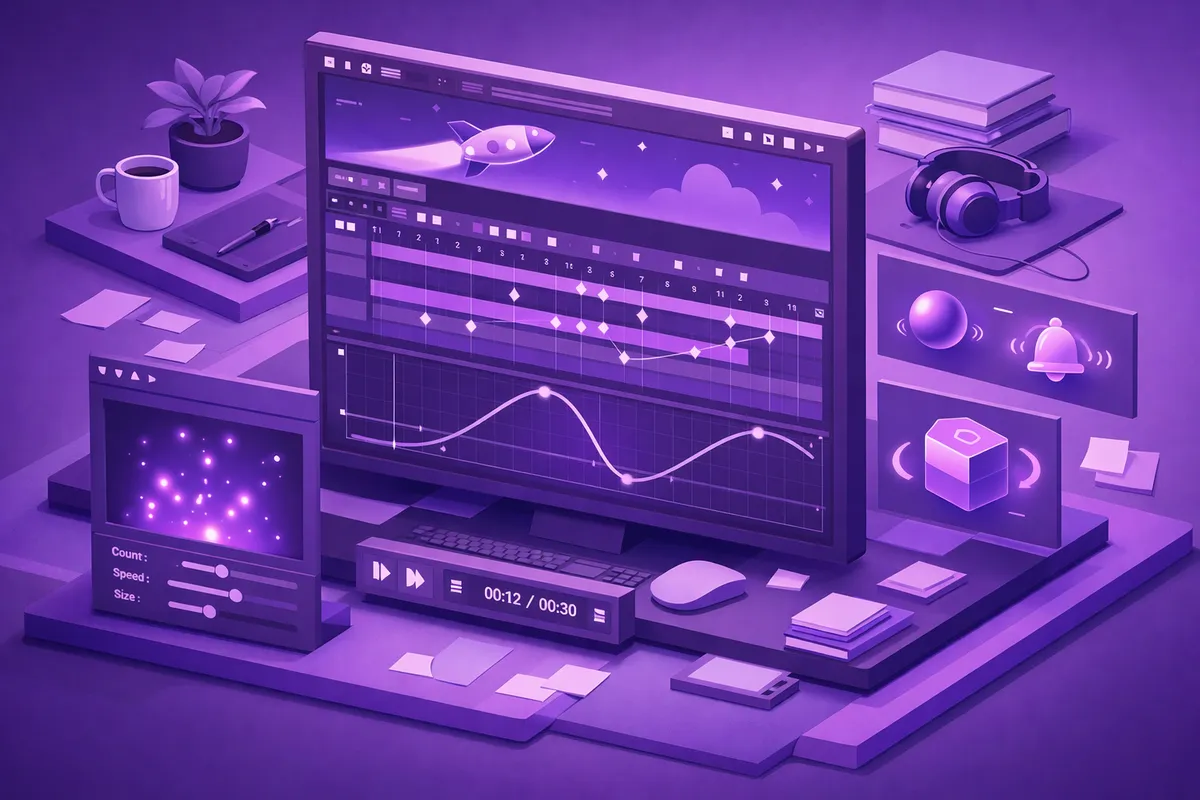
Animation production for Rogers Park clients ranges in complexity from relatively simple kinetic typography and logo animations to complex multi-scene character animation and data visualization. Production timelines and costs scale with complexity. We are specific about what is achievable within budget rather than promising complex work at simple work prices.
Sound design is the often-underestimated dimension of motion graphics quality. A well-animated piece with poor sound design lands awkwardly. We approach sound as integral to the motion graphics experience rather than supplementary, selecting music, designing sound effects, and ensuring voice-over production (where used) that complements rather than undermines the visual work.
Industries We Serve in Rogers Park
Nonprofits and social service organizations throughout Rogers Park need impact communication content for funders, community members, and partner organizations. Animated explainers that visualize program outcomes, social content that communicates organizational values, and donor stewardship videos that show what contributions actually accomplish are the motion graphics applications with the clearest ROI for nonprofits operating in competitive funding environments.
Arts and cultural organizations including Lifeline Theatre, Mayne Stage, and the Glenwood Arts District's galleries and cultural organizations need promotional motion content that communicates artistic quality and community vitality. Season announcement videos, production trailers, artist profile content, and event promotion motion graphics are the standard content types in this sector.
Healthcare and community health organizations including Howard Brown Health use motion graphics for health education content, community outreach campaigns, and the patient communication that benefits from visual clarity. Motion content for community health can communicate health information across language barriers more effectively than text-dependent content.
Independent businesses along Clark Street, Morse Avenue, and the neighborhood's commercial corridors use animated social content to drive engagement, communicate their character and products, and compete for the attention of the Rogers Park community and the broader north side audience that discovers neighborhood businesses through social feeds.
Educational and Loyola-adjacent content including academic program promotion, student organization content, and institutional video requires motion graphics that communicate intellectual seriousness and community connection simultaneously.
What to Expect Working With Us
1. Discovery and brief. We conduct a thorough brief covering communication objectives, audience, distribution channels, brand context, and reference aesthetics. The brief grounds every subsequent production decision.
2. Script and storyboard development. We develop the narrative and visual structure of the motion piece and present it for your review and approval before production begins. Changes to scope and structure are far less costly at this stage than after animation is underway.
3. Style frame and design development. We present the visual language of the piece through key frames that show how the animation will look before producing the full piece. Visual direction is confirmed before production investment.
4. Production, revision, and delivery. We produce the animation through two revision rounds, incorporating your feedback at each stage. Final delivery includes all formats required for your distribution channels, including platform-specific aspect ratios and file specifications.