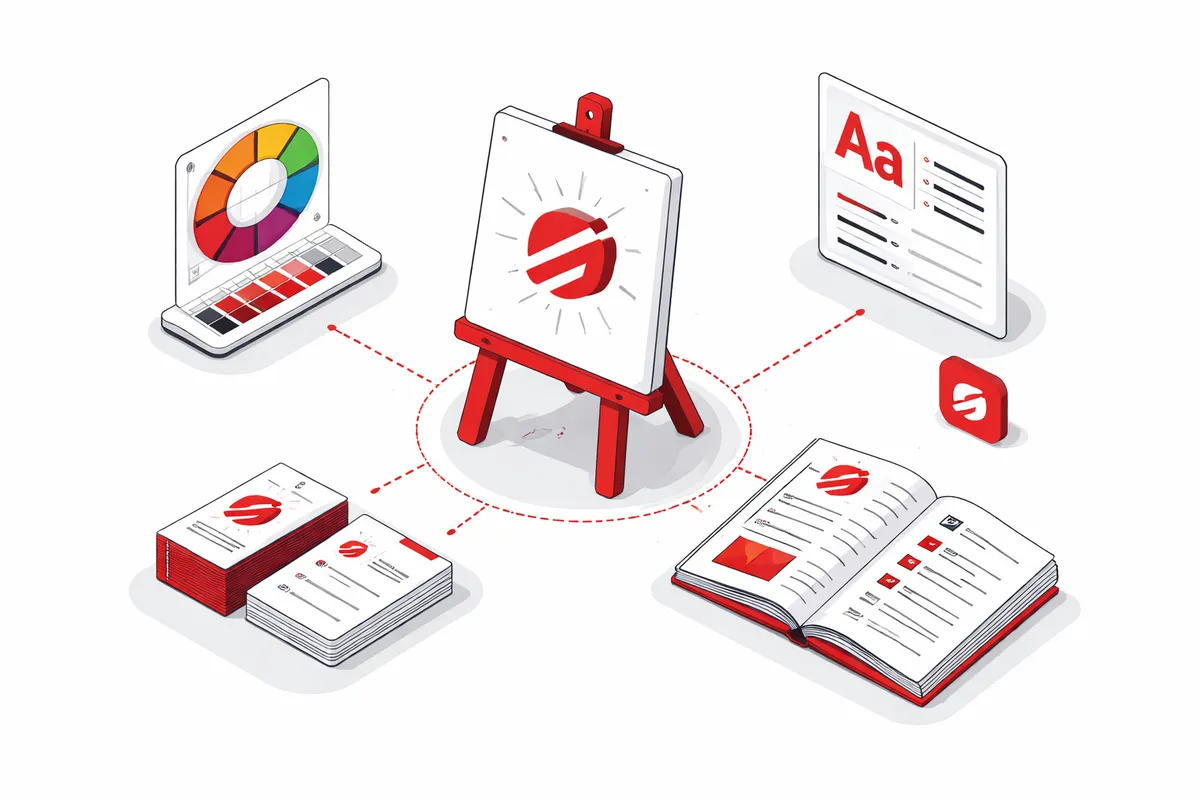
How We Build Logos for Rogers Park
Discovery is the work that determines design quality. We need to understand your organization before we begin designing its visual identity. Who are you, genuinely? Who do you serve? What do you want people to feel when they encounter your organization? What organizations or businesses do you respect visually, and what is it specifically that you respect about them? What are the contexts where the logo will appear most critically? This conversation produces the brief that grounds design in something real rather than in designer preference.
Research and competitive analysis examines how comparable organizations in Rogers Park and similar community contexts present themselves visually. We assess what is working and what is generic in your category, identify white space where a distinctive mark would stand out rather than blend in, and inform our concept development with the visual landscape the mark will actually exist within.
Concept development produces multiple distinct logo directions rather than a single solution presented as the answer. Each direction represents a genuinely different visual strategy for communicating your organization's identity, not variations on the same idea with different color palettes. We present the strategic thinking behind each concept so you can evaluate the directions based on how well the underlying strategy fits your organization rather than purely on surface aesthetic preference.
Refinement of the chosen direction develops the mark to a state where every detail is intentional. Letter spacing, line weight, proportion, color selection, and the relationship between wordmark and icon are resolved rather than approximate. Final logos are delivered in every format needed for professional use: vector files for print and signage, web-optimized formats for digital use, and specifically prepared files for embroidery, screen printing, and other specialty applications your organization requires.
Industries We Serve in Rogers Park
Independent restaurants and food businesses need logos that communicate their specific culinary identity and cultural character within the fraction of a second a customer has to process a storefront sign or a delivery bag. The Ethiopian restaurants on Howard Street, the Vietnamese spots near Jarvis, the kosher establishments and Mexican taquerias throughout the neighborhood each have distinct visual identity needs that generic food logo templates cannot address.
Nonprofits and community organizations throughout Rogers Park need logos that build trust with community members, communicate organizational mission clearly, and travel well across the wide range of materials nonprofits produce: letterhead, grant applications, event signage, social media, and the branded merchandise that many nonprofits use as a fundraising and community building tool.
Arts and cultural organizations including theater companies, galleries, and performance venues need marks that communicate artistic credibility and organizational character to an audience that evaluates design quality as part of evaluating the organization's cultural weight. Lifeline Theatre's brand presence and Mayne Stage's visual identity matter to the audiences they are trying to reach.
Retail and specialty shops including independent bookshops, vintage stores, specialty food retailers, and handmade goods businesses need logos that communicate their character and product positioning to the discovery-driven shoppers who choose them over chains based on authenticity and personality.
Service businesses from legal aid offices to health clinics to home maintenance companies need logos that communicate credibility, professionalism, and the specific community orientation that Rogers Park clients look for when choosing service providers.
What to Expect Working With Us
1. Discovery and brief development. We conduct a briefing session that covers your organization's mission and values, your target audiences, the contexts where the logo will appear, your aesthetic preferences and aversions, and the competitive landscape you exist within. The brief we develop from this session grounds the entire design process.
2. Research and concept development. We research comparable organizations and develop distinct logo concept directions. Each direction is presented with the strategic rationale behind the visual choices so you can evaluate concepts meaningfully rather than based on first-impression preference alone.
3. Refinement and development. We develop the selected direction through two rounds of refinement, resolving every visual detail and testing the mark across the most critical applications for your organization. We do not present finished files until the mark is genuinely complete, not approximately complete.
4. Final delivery and brand foundation. We deliver final files in every format you need for current and anticipated applications, along with a basic brand guide documenting color codes, typefaces, and usage standards that allow anyone creating materials for your organization to use the logo correctly.