How We Build Legacy System Integration for Rogers Park
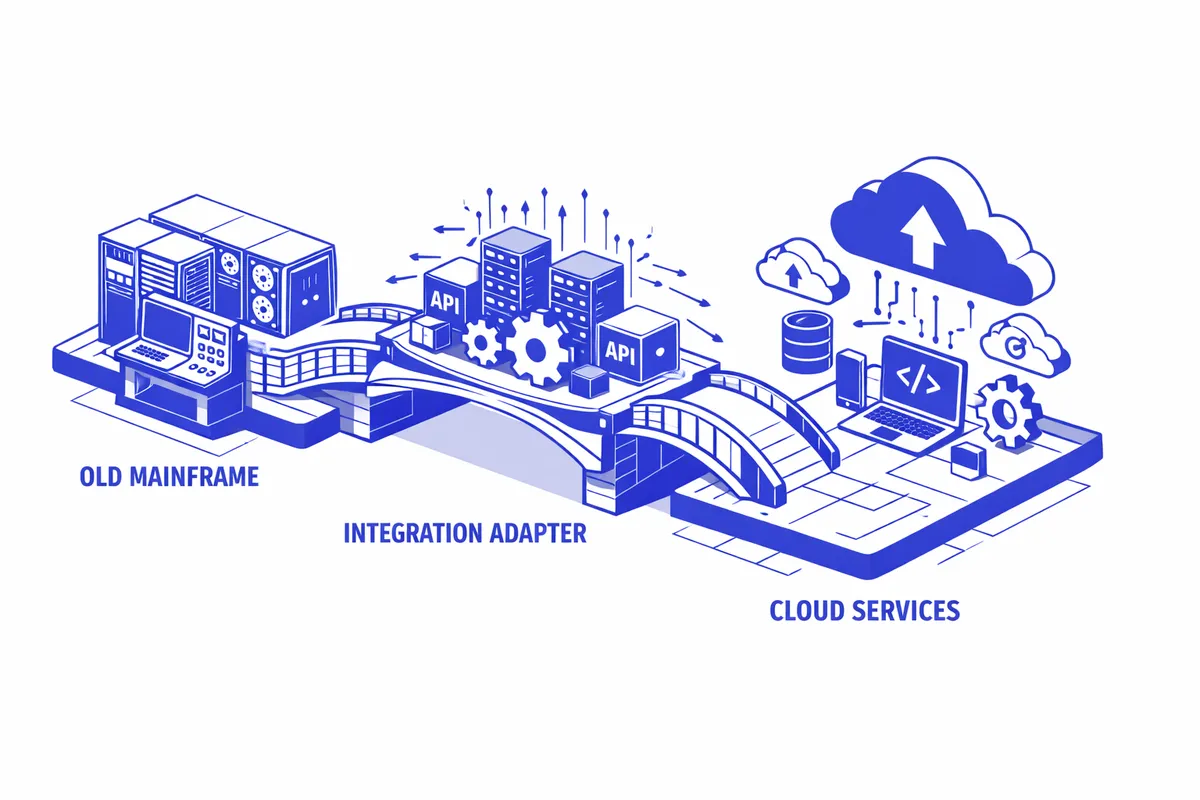
Assessment begins with discovery of the legacy system itself. Most legacy integration engagements start with a period of understanding: what database does the system use, does it expose any APIs (even undocumented or deprecated ones), what data export capabilities does it have, and what is the data model for the records we need to integrate? This discovery work takes longer for systems with poor or no documentation and shorter for systems that have been more carefully maintained.
Integration approach selection follows from discovery. For legacy systems that expose any kind of API or web service, direct API integration is typically the cleanest approach. For systems that support scheduled data exports in standard formats (CSV, XML, fixed-width text), file-based integration can work reliably. For systems with no export capability but a database that can be accessed directly, direct database integration is possible. For systems with none of these options, screen scraping or robotic process automation can bridge the gap, though these approaches require more maintenance as the legacy system's interface changes.
Data transformation is the most technically demanding part of legacy integration. Legacy systems frequently use non-standard field names, outdated encoding schemes, inconsistent date formats, and proprietary identifier schemes that modern systems do not understand without translation. We build transformation layers that reliably convert legacy data into the format the receiving system expects, including the validation logic that catches transformation errors before they propagate as bad data into the systems being integrated.
Error handling for legacy integration requires extra attention because legacy systems fail in ways that modern systems do not. They crash unexpectedly. They produce partial exports. They have undocumented behaviors that trigger when specific data conditions are met. Integration design for legacy systems builds in defensive logic that detects these failures and either recovers automatically or alerts your team rather than silently producing incorrect output.
Industries We Serve in Rogers Park
Nonprofits and social service organizations with case management systems, donor management platforms, and grant reporting requirements that were built in different eras and cannot natively communicate are the most common legacy integration clients in Rogers Park. Connecting a 2009 case management system to a current grant portal, a legacy donor database to modern email marketing, or an old accounting system to current financial reporting tools are the integration scenarios we address most frequently.
Healthcare and health services organizations including clinical practices and health organizations carry legacy EHR systems, billing platforms, and practice management software from earlier eras that need to connect to current insurance networks, patient portal requirements, and interoperability standards that the legacy systems were not built to meet.
Educational and Loyola-adjacent organizations manage legacy student information systems, financial aid platforms, and administrative software with integration requirements that have evolved faster than the systems themselves.
Established independent businesses that have been operating in Rogers Park for decades may be running legacy POS systems, accounting software, or inventory management tools that predate modern cloud connectivity and need integration bridges to current tools their operations now depend on.
Faith communities and community organizations that have been serving Rogers Park across multiple decades often have membership management, giving tracking, and operational software from earlier eras that needs to connect to current communications and reporting tools.
What to Expect Working With Us
1. Legacy system assessment. We investigate the legacy system thoroughly: database structure, available APIs or export formats, data quality, undocumented behaviors, and the specific integration requirements of the modern systems it needs to connect with. This assessment produces a technical feasibility analysis and integration approach recommendation.
2. Integration architecture and design. We design the integration based on assessment findings, documenting the data flows, transformation logic, error handling approach, and monitoring requirements before development begins. For complex legacy systems, this design phase prevents the expensive surprises that arise from discovering undocumented system behavior mid-development.
3. Development and testing. We build the integration with thorough testing across the data conditions your legacy system actually produces, including the edge cases and error conditions that assessment identified. Testing with real data samples from the legacy system is a prerequisite for production deployment.
4. Documentation and knowledge transfer. Legacy integration work produces documentation of the legacy system's behavior, the integration architecture, and the maintenance procedures required to keep the integration running as surrounding systems change. This documentation is delivered to your team as a project deliverable.