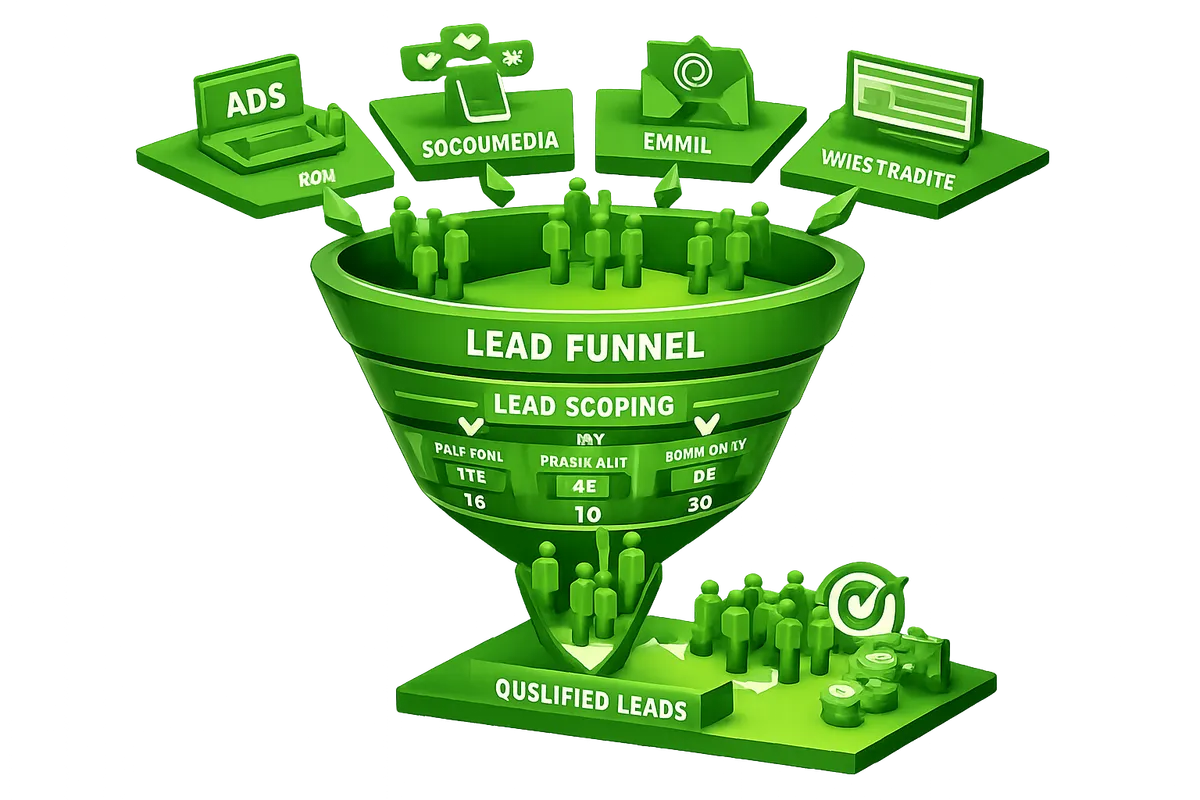
Channels That Reach Rogers Park's Diverse Communities
Multilingual marketing is not optional for businesses serving Rogers Park's full population. A healthcare clinic on Clark Street that serves Amharic-speaking Ethiopian patients, Spanish-speaking Mexican patients, and English-speaking students cannot reach all three with a single-language campaign. Google Ads can be set to serve different ad copy in different languages based on the search query's language. Facebook and Instagram allow ad targeting by language as well as location. A dentist's office that runs English and Spanish Google Ads side by side captures the Spanish-speaking Rogers Park population that English-only campaigns systematically exclude.
Social media for Rogers Park consumer businesses works best when it reflects the neighborhood's actual character. Content that features real Rogers Park streets, events, and community connections builds authenticity that polished studio content cannot replicate. A salon on Morse Avenue that posts styling transformations with the customer's permission, or a Rogers Park restaurant that shows the chef sourcing produce at the Green City Market, builds the local identity that turns followers into repeat customers. Community-rooted content performs better in this neighborhood than in wealthier markets because the Rogers Park audience values authenticity explicitly.
For nonprofits and community organizations operating in Rogers Park, lead generation takes a different form. The goal is not commercial pipeline but donor acquisition, volunteer recruitment, and service enrollment. The channels overlap: Google Ads for Nonprofits (which provides Google Ad Grant funding for qualifying organizations), email marketing to past donors, and community event presence all apply. The conversion metric changes, but the underlying need, to systematically convert interested contacts into committed supporters, is identical to for-profit lead generation.
Community-Based Marketing and Trust-Building
Rogers Park's activist and community-organizing culture creates a lead generation environment where trust precedes transactions more explicitly than in most Chicago neighborhoods. Businesses that are seen as extractive, exploitative of the community, or indifferent to its values face resistance. Businesses that demonstrate genuine community investment build the kind of loyalty that generates referrals, positive reviews, and word-of-mouth introductions among community networks.
Practical community investment that also serves as lead generation includes: participating in neighborhood events like the Rogers Park Art House Gallery Walk, sponsoring Glenwood Sunday Market, supporting local schools or community organizations, and hiring from within the neighborhood. These activities build the brand relationships that digital channels amplify rather than replace. A Rogers Park business that is genuinely embedded in community life has a referral network of neighbors and community leaders that operates independently of any digital campaign.