How We Build Email Marketing for Rogers Park
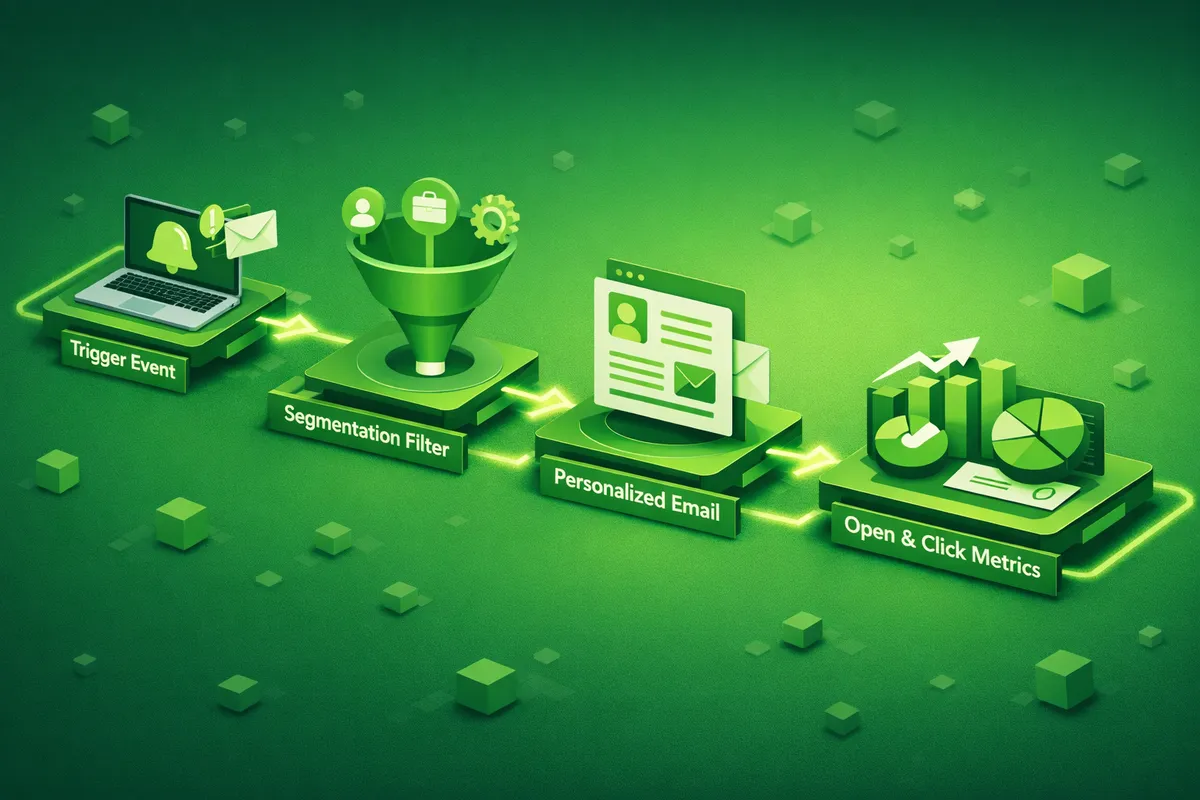
List architecture for Rogers Park begins with the language question. A business that serves a significant Spanish-speaking, Hindi-speaking, or Amharic-speaking customer base needs list structure that captures language preference at the point of sign-up. The simplest implementation: a bilingual opt-in form that allows subscribers to indicate their preferred language and routes them into the appropriate segment. A more sophisticated implementation: behavioral segmentation based on engagement patterns that infers language preference from open rates across different subject line languages.
For Loyola-area businesses, list segmentation should capture the student-versus-non-student distinction at sign-up. Students respond to email cadence, offer types, and content framing that are different from long-term neighborhood residents. A campus partnership approach, working with Loyola student organizations to offer value-exchanges for list sign-ups, builds student segments at scale and creates the academic-calendar alignment that makes Loyola-specific campaigns possible.
The Rogers Park Business Alliance and the neighborhood's festival infrastructure create list-building moments that most Rogers Park businesses underutilize. A table at the Rogers Park Arts Festival with a genuinely compelling opt-in incentive, a free first visit, a digital recipe booklet, an exclusive members-only early-access offer, can build 50 to 150 new subscribers in a single day from a city-wide audience. The Glenwood Sunday Market during summer months creates weekly list-building opportunities for businesses in the Morse Avenue corridor.
Deliverability for Rogers Park lists requires specific attention to the student segment. Loyola student email addresses stop resolving after graduation, generating hard bounces that damage sender reputation if not managed. An annual list audit in May, timed to the end of the spring semester, with a re-engagement campaign preceding it, is standard practice for any Rogers Park business with significant student representation. The re-engagement campaign should lead with community news, "What's new on Sheridan this spring," rather than a discount offer.
Industries We Serve in Rogers Park
Devon Avenue ethnic grocery, specialty food, and import businesses. The Devon Avenue corridor serves customers who know exactly what they want and are looking for the business that carries it, speaks their language, and understands their culinary culture. Email for these businesses is about delivering the information that brings the right customer through the door at the right time: fresh inventory updates, upcoming cultural holiday stock, and product arrivals that justify a trip.
Loyola University-area restaurants, cafes, and service businesses. The student population on Sheridan Road cycles through on academic calendars, not calendar years. Businesses that build student-specific email segments and send campaigns timed to the academic calendar, orientation week in late August, finals in December and April, and graduation in May, maintain consistent revenue from a customer base that would otherwise require constant new acquisition.
Glenwood Arts District venues, galleries, and arts-adjacent restaurants. The Morse Avenue arts zone draws a city-wide audience for events, openings, and performances. Email for venues and businesses in this zone should serve both the neighborhood regulars and the out-of-neighborhood subscribers who come specifically for the programming.
Community health clinics, legal aid, and social service organizations. Rogers Park's activist-rooted community infrastructure includes organizations where email is not primarily a commercial channel. It is a public health and access tool. Vaccination reminders, service updates, legal clinic schedules, and seasonal health information translated into the languages of the community members these organizations serve reach people who are not consistently engaged with formal health and legal systems.
Independent bookstores, coffee shops, and third-space businesses. Rogers Park's literary and coffee culture supports businesses whose email program should function as a community publication as much as a promotional channel. Used book sale announcements, author event coverage, neighborhood reading group promotions, and content about the broader Rogers Park creative scene build audiences that treat these businesses as cultural anchors. The Heartland Cafe's legacy as a neighborhood gathering place defined this category for decades.
Fitness studios, yoga, and wellness businesses near the lakefront. The Sheridan Road and Clark Street corridor supports fitness and wellness businesses whose seasonal patterns align with the lakefront's rhythms: spring fitness re-engagement in March and April, summer outdoor class content tied to Leone Beach and Touhy Avenue Beach, and fall indoor season transitions. Email cadence for these businesses should match the seasonal intensity of their service demand, with more frequent and content-rich campaigns during peak seasons and maintenance-level communications during slower periods.
What to Expect Working With Us
1. Audience mapping and list architecture. We begin by understanding the actual community composition of your customer base: language demographics, the student-versus-resident split for Loyola-area businesses, and the cultural context that shapes how your subscribers prefer to receive and respond to email. This mapping determines your list segmentation strategy before we design a single campaign.
2. Platform setup and deliverability foundation. We configure your email platform with proper authentication records, list hygiene protocols, and the segmentation structure your audience requires. For businesses with multilingual subscriber bases, we set up language-preference capture at the point of sign-up. For Loyola-area businesses, we build the academic-calendar alignment into the automation architecture from the start.
3. Campaign creation and automation sequences. We write welcome sequences, re-engagement flows, and evergreen campaign templates in the appropriate languages for your subscriber segments. Campaign copy for Rogers Park businesses sounds like it comes from someone who knows the neighborhood: it references Devon Avenue, Sheridan Road, the Glenwood arts scene, the Loyola academic calendar, and the cultural events that mark the Rogers Park year. Generic campaign copy that treats the neighborhood as a location tag is not email marketing. It is noise.
4. List growth, reporting, and seasonal planning. We build list growth strategies around Rogers Park's community events, including the Rogers Park Arts Festival, the Glenwood Sunday Market, and the Loyola academic calendar's list-building moments. Monthly reporting covers open rates, click rates, revenue attribution, and list growth by segment. Quarterly planning reviews align the upcoming season's campaigns with the neighborhood rhythms that drive purchase decisions in your specific business category.