How We Build Custom ERP for Rogers Park
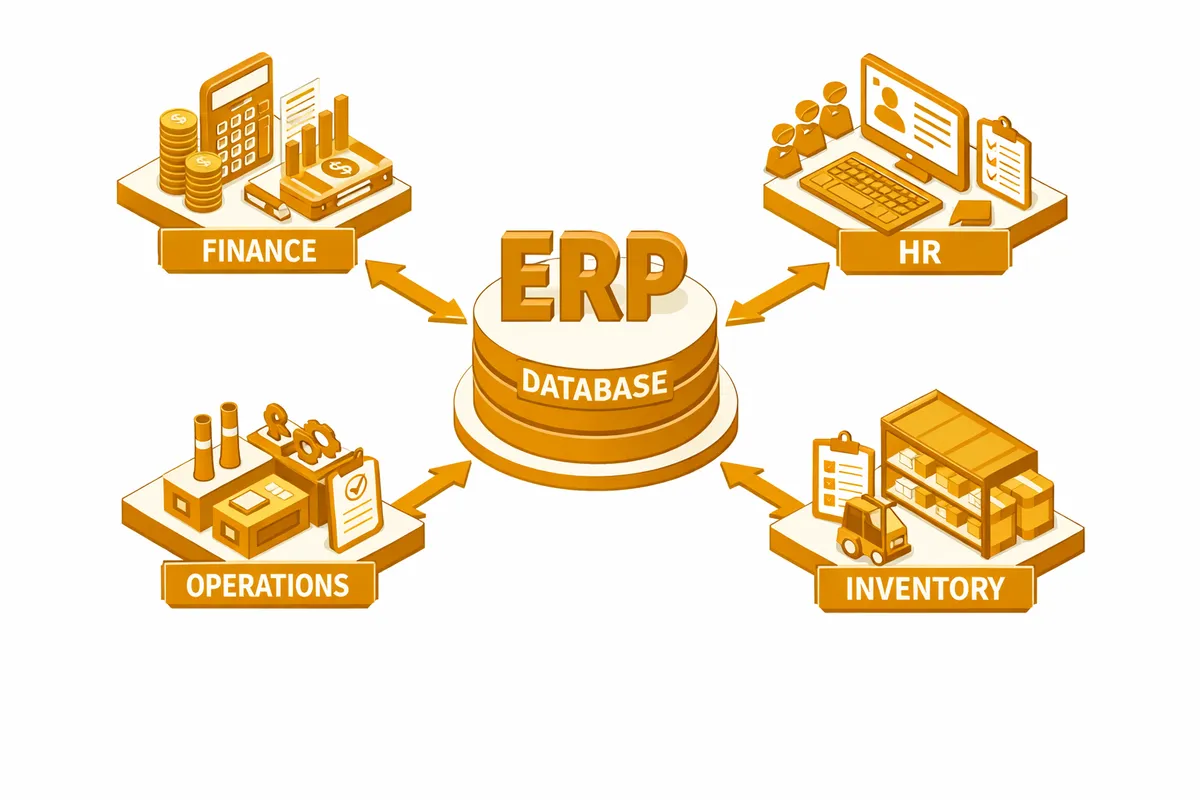
Custom ERP development in Rogers Park follows a disciplined architecture process. We begin with operational mapping: documenting every business function, every data element that function creates or consumes, and every decision that depends on data from multiple functions. This mapping produces the architecture blueprint for the integrated system and identifies the integration points that make the custom approach necessary.
We prioritize modular build. A full-scale ERP built and delivered at once is a high-risk engagement because organizations rarely understand their requirements with perfect clarity before seeing a working system. We build the highest-priority functions first, deploy them, validate that they meet operational needs, and then build the next priority. This produces working integrated software within the first three months, long before the full system is complete, and allows requirements to be refined based on operational experience rather than pre-build assumptions.
For Rogers Park organizations with compliance requirements, whether HIPAA for health organizations, grant compliance for nonprofits, or food safety documentation for food businesses, compliance is designed into the ERP architecture from the start. The reporting and audit trail capabilities that compliance requires are built in rather than retrofitted after the system is operational.
Industries We Serve in Rogers Park
Community health and social services organizations near Howard Street need ERP systems that integrate patient management, program scheduling, staff management, grant financial tracking, and compliance reporting into a coherent operational platform that eliminates the manual reconciliation work currently consuming administrative staff time.
Nonprofit and advocacy organizations including larger organizations in the Rogers Park ecosystem need ERP systems that connect program management, donor management, grant administration, volunteer management, and financial management into integrated operations that produce accurate reporting without manual data assembly.
Food production and specialty food businesses on Clark, Jarvis, and across the neighborhood need ERP systems integrating purchasing, production scheduling, quality documentation, delivery management, and customer billing in a platform designed for the specific operational model of a community-scaled food business.
Catering operations managing complex event operations need ERP systems that connect client relationship management, event specifications, kitchen scheduling, ingredient procurement, staffing, delivery logistics, and post-event billing in an integrated workflow that eliminates the manual coordination currently creating errors.
Retail and cooperative businesses with significant operational complexity need ERP systems integrating member management, inventory, purchasing, point-of-sale, and financial reporting in a platform built for the co-op model's specific governance and operational requirements.
Loyola-adjacent consulting and professional services practices that have grown beyond spreadsheets need ERP systems integrating client management, project tracking, resource management, billing, and financial reporting in a platform appropriate for professional service operations.
What to Expect Working With Us
1. Operational mapping and requirements. We map every operational function and the data that flows between them. This phase produces the ERP architecture blueprint and a prioritized module delivery plan. It takes two to four weeks and is the investment that prevents expensive rework later.
2. Architecture design. We design the complete ERP system: data model, module structure, integration points, user access model, reporting capabilities, and compliance architecture. You review and approve the architecture before any development begins.
3. Phased development. We build in modules, delivering the highest-priority functions first. Most Rogers Park clients have working software within twelve weeks of project start. Subsequent modules build on the foundation established in the first phase.
4. Testing, training, and handoff. We test against real operational data, train staff responsible for each module, and provide complete system documentation. We plan the go-live transition to minimize operational disruption during the switch from your current patchwork to the integrated ERP.