How We Build CRM and Martech Consulting in Rogers Park
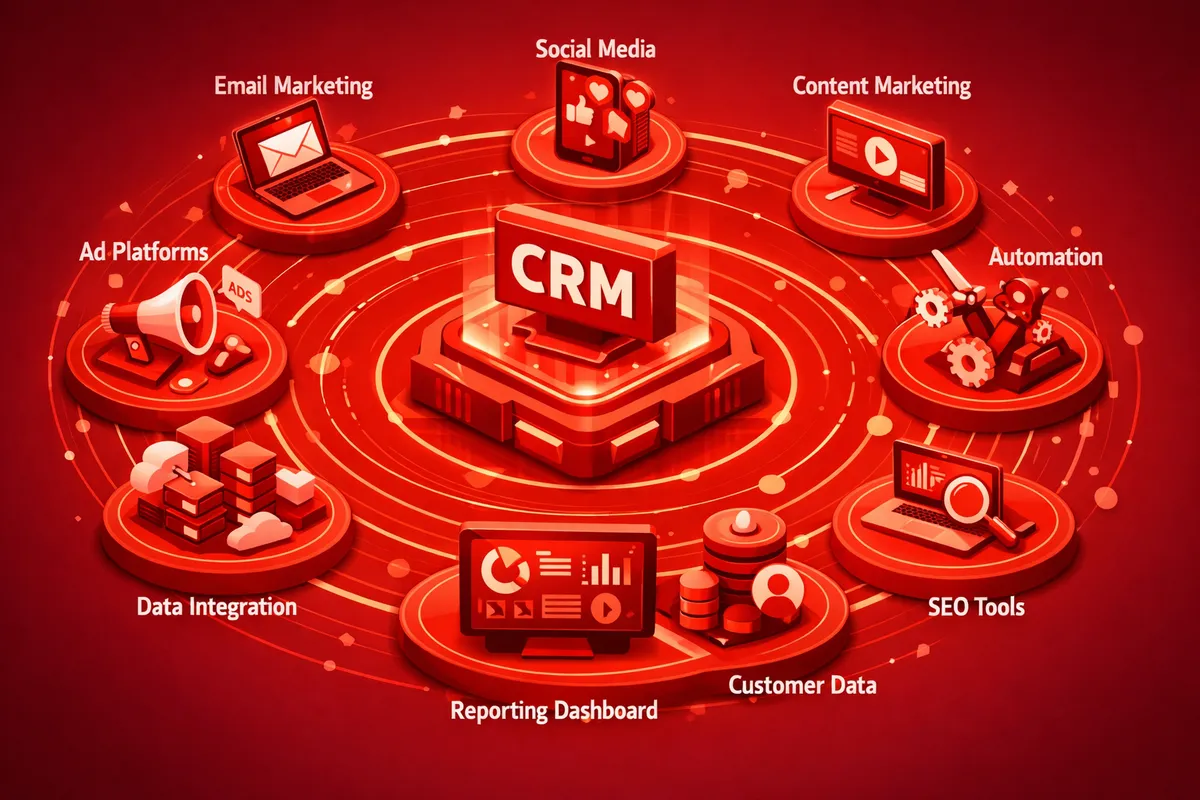
Our consulting engagements begin with a technology audit. We inventory every tool your organization uses for customer or community relationship management, marketing, and communication, assess how effectively each is configured and used, and map the data flows between them. This audit typically reveals both redundancies and gaps: tools that do the same thing and tools that are needed but absent.
We then produce recommendations that are prioritized by impact and realistic about implementation effort. For a Rogers Park nonprofit using a quarter of Salesforce's capability, the recommendation might be to invest in proper Salesforce configuration rather than adding a new tool. For a restaurant using Google Sheets as a customer database, the recommendation might be a lightweight CRM tool that costs $30 per month and takes two hours to set up. We match the recommendation to the situation.
Implementation support is available after the consulting phase. We configure CRM platforms, set up marketing automation workflows, build integrations between tools, and train staff on the tools they are responsible for using. Consulting without implementation support is only useful if the organization has technical staff who can act on the recommendations. Many Rogers Park organizations do not, and we bridge that gap.
Industries We Serve in Rogers Park
Community health and social services organizations near Howard Street often have donated or discounted Salesforce licenses that need proper configuration for their specific program and donor management workflows. We configure these platforms for the organization's actual use cases and train the staff responsible for managing them.
Restaurants and food businesses on Clark Street and Devon Avenue need practical CRM and marketing tool recommendations that fit their budget, their technical capacity, and the specific relationship management tasks they need to accomplish: loyalty program management, event guest lists, catering client relationships, and the email marketing that keeps regulars engaged between visits.
Arts and cultural organizations including Lifeline Theatre and Mayne Stage need integrated platforms that connect ticketing, donor management, and patron communication without the data fragmentation that current siloed tools create. We audit their current stack and recommend the integration approach that minimizes cost while maximizing data coherence.
Nonprofit and advocacy organizations including RPCAN and A Just Harvest have relationship management complexity across member, donor, volunteer, and partner categories that most single-platform CRM tools handle poorly. We assess the right combination of tools for their specific complexity and configure those tools to work together coherently.
Retail and cooperative businesses near the Glenwood area need CRM and email marketing tools configured for the member communication, loyalty, and community engagement that distinguishes co-op retail from conventional retail models.
Loyola-adjacent professional services providers need CRM tools appropriate for professional service businesses: contact management, proposal tracking, client communication, and the recurring engagement workflows that sustain professional relationships over time.
What to Expect Working With Us
1. Technology audit. We inventory your current tools, assess configuration and utilization, and document the data flows and gaps. The audit output is a clear picture of your current state with specific recommendations for what to change, configure, and eliminate.
2. Tool selection recommendations. For organizations evaluating new tools, we provide vendor-neutral recommendations based on your specific requirements, budget, technical capacity, and the tools you are already using. We do not have preferred vendor relationships that bias our recommendations.
3. Configuration and integration. We configure the tools you are keeping or adopting, set up integrations between systems, and build the marketing automation workflows that make your stack functional rather than aspirational.
4. Training and documentation. We train the staff responsible for each tool on the tasks they will perform regularly, document the system architecture and configuration decisions, and provide enough context that whoever comes after the current responsible staff member can understand what was built and why.