How We Build Automation for Rogers Park
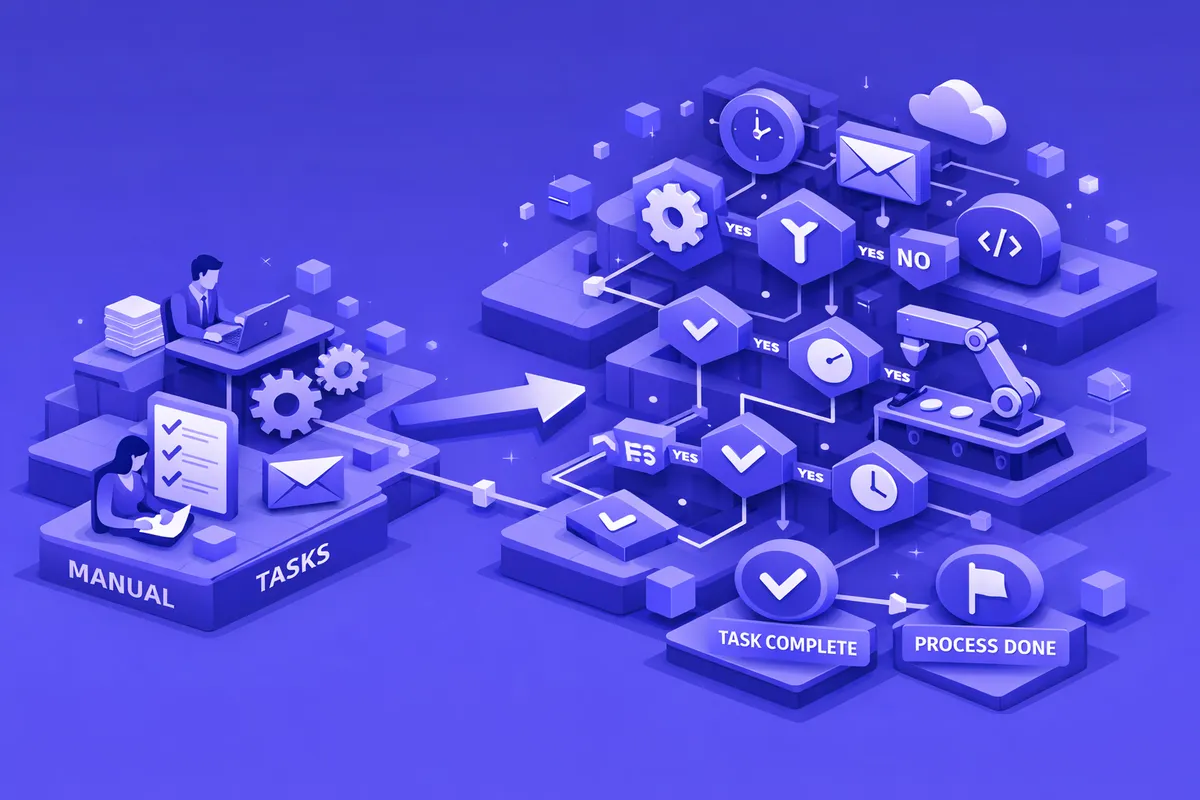
Automation in Rogers Park requires honest prioritization. Not every manual process should be automated, and not every automation will deliver equal value. We begin every engagement with a process mapping exercise that quantifies the time consumed by each manual step and assesses the error rate and business impact of the current manual execution. This produces a prioritized list of automation opportunities ordered by value delivered per dollar of implementation cost.
For Rogers Park organizations with limited budgets, we strongly favor starting with the automation that delivers the fastest, clearest ROI. A one-week automation that saves four hours per week of staff time at $20 per hour pays for itself within a few months and demonstrates the value of automation concretely before the organization commits to broader investment.
We also assess what automation is sustainable for the team responsible for running it. An automation that requires expert technical maintenance to keep running is not appropriate for a five-person nonprofit without technical staff. We build automations with the operational capacity of the team in mind: self-monitoring where possible, with clear documentation and alert systems that notify when something goes wrong.
Industries We Serve in Rogers Park
Community health and social services organizations along Howard Street automate patient scheduling communication, insurance verification workflows, program enrollment confirmations, and the grant reporting data collection that currently consumes program staff time every quarter.
Restaurants and food businesses on Clark Street and Devon Avenue automate order reconciliation between platforms, inventory reorder triggering, reservation confirmation and reminder sequences, and the weekly labor scheduling notifications that currently require manual execution.
Arts and cultural organizations including Lifeline Theatre and Mayne Stage automate ticket purchaser communication sequences, volunteer shift confirmation and reminder workflows, donor acknowledgment processes, and the membership renewal reminders that keep audiences engaged between productions.
Nonprofit and advocacy organizations including RPCAN and A Just Harvest automate member communication workflows, event registration and confirmation, grant report data collection from program systems, and the supporter engagement sequences that maintain organizational relationships at scale.
Retail and cooperative businesses near Glenwood and Sheridan Road automate member communication, inventory level alerts, supplier reorder triggers, and the regular content publishing that keeps the co-op's digital presence active without requiring daily manual effort.
Loyola-adjacent professional services providers automate client onboarding document collection, appointment confirmation sequences, invoice generation and follow-up, and the regular client communication that maintains relationships without consuming billable hours.
What to Expect Working With Us
1. Process mapping and prioritization. We interview your team to map every manual process, quantify the time consumed by each, and assess the error rate and business impact of manual execution. We deliver a prioritized automation roadmap with ROI estimates for each opportunity before any development begins.
2. Automation architecture and design. We design each automation before building it: what triggers it, what it does, what systems it connects, how it handles exceptions, and how it reports on its activity. You review and approve this design before development starts.
3. Build and testing. We build automations incrementally, testing each one against real operational data before deployment. Testing includes both the normal-path scenarios and the edge cases that manual processes handle through human judgment. We confirm the automation handles these correctly before going live.
4. Monitoring and documentation. Every automation we deploy includes monitoring that alerts when errors occur, logging that shows what the automation did and when, and documentation your team can use to understand and maintain the system after our engagement ends.