How We Build Autonomous Agents for Rogers Park
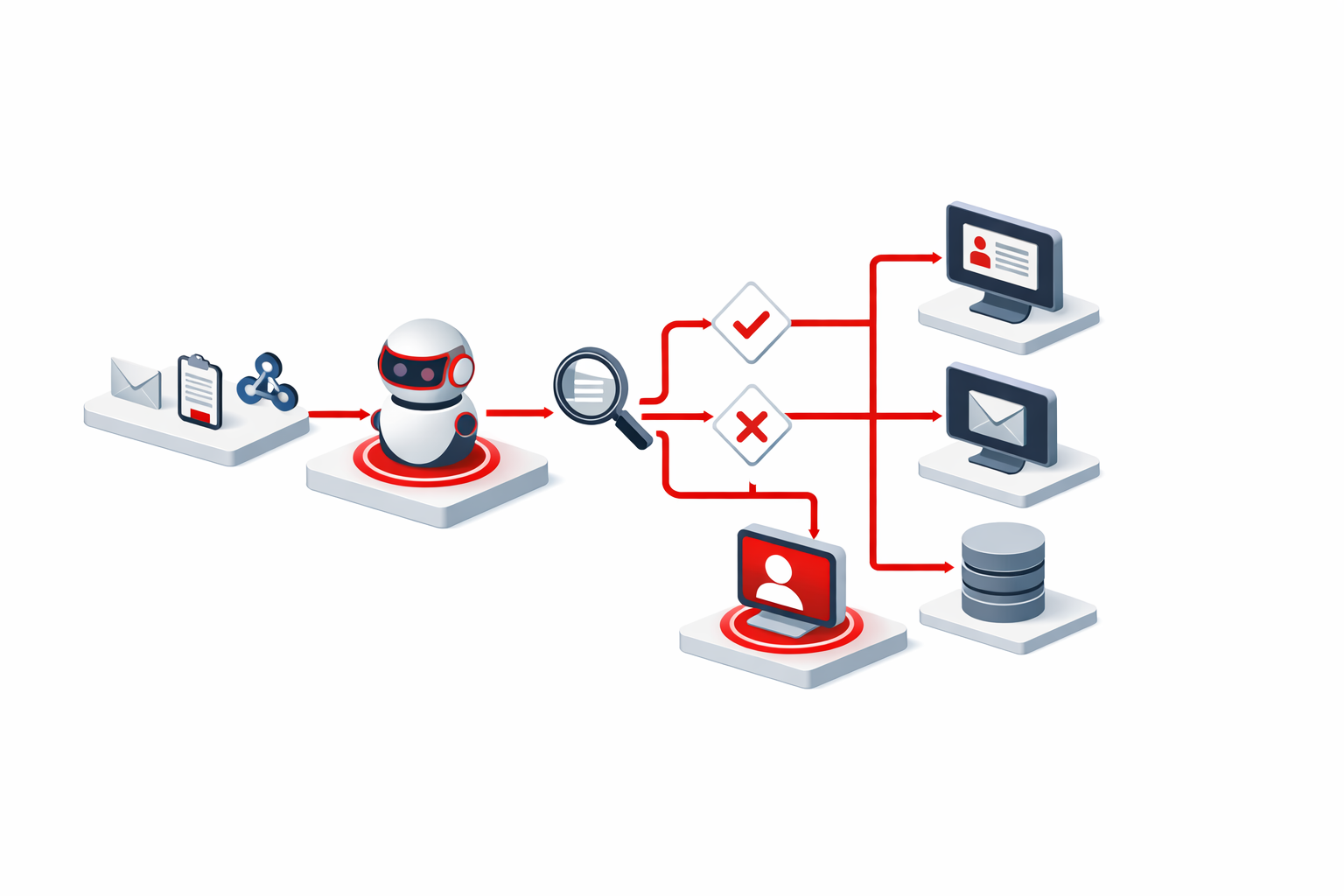
Agent design starts with workflow analysis. We identify the specific tasks that currently require human initiation and execution for each instance, assess which of those tasks follow consistent enough patterns to be automated reliably, and design agents that handle those patterns while flagging exceptions for human review. This is not a general AI capability conversation. It is a specific operational workflow conversation.
We build agents that have clear scope limits. An autonomous agent for a Rogers Park nonprofit does exactly what it was designed to do and escalates everything outside its scope to a human with full context. This matters especially for organizations serving vulnerable communities where an out-of-scope autonomous action could have real consequences. Agent design includes explicit guardrails, clear escalation triggers, and comprehensive logging of every action taken so the organization can see what the agent did and why.
For Rogers Park organizations without technical infrastructure, we deploy agents on managed platforms that minimize operational overhead. The agent runs in the cloud, integrates with the tools your team already uses, and requires no server management from your side. The operational overhead after deployment is monitoring a dashboard that shows agent activity and reviewing the occasional flagged item that requires human judgment.
Industries We Serve in Rogers Park
Community health and social services organizations along Howard Street benefit from autonomous agents that handle appointment scheduling coordination, patient communication routing, insurance verification workflows, and program enrollment inquiries without consuming clinical staff time.
Restaurants and food businesses on Clark Street and Devon Avenue use autonomous agents for after-hours customer inquiry handling, online review monitoring and draft response generation, online ordering platform management, and the social media content scheduling that keeps digital presence active without owner time investment.
Arts and cultural organizations including Lifeline Theatre and Mayne Stage deploy autonomous agents for ticket buyer communication, donor acknowledgment workflows, volunteer coordination reminders, and event promotion content distribution across multiple channels simultaneously.
Nonprofit and advocacy organizations including RPCAN and A Just Harvest use autonomous agents for member communication workflows, grant deadline tracking and documentation support, media monitoring for relevant policy developments, and supporter engagement campaigns that run consistently without staff-triggered execution.
Retail and cooperative businesses near the Glenwood area use autonomous agents for inventory level monitoring with supplier notification, customer loyalty program communication, and the consistent social media presence that builds brand recognition without requiring daily manual effort.
Loyola-adjacent freelancers and professional services providers use autonomous agents for client communication follow-up, project status update distribution, proposal workflow management, and the consistent content publishing that builds professional presence without consuming billable hours.
What to Expect Working With Us
1. Workflow audit and agent design. We map the specific workflows your organization wants to automate, design the agent logic including escalation rules and scope limits, and review the design with your team before building anything. You approve the agent's behavior in writing before deployment.
2. Build and staged deployment. We build agent logic incrementally and deploy in a supervised mode where agents take actions but all actions are reviewed by humans for the first two to four weeks. This identifies edge cases and calibration issues before the agent runs autonomously.
3. Monitoring setup and training. We configure monitoring dashboards that show agent activity, action logs, and escalation patterns. We train the team members responsible for reviewing escalations and managing agent oversight so someone in your organization understands what the agent is doing and why.
4. Ongoing optimization. Agent performance improves with use. We review agent logs monthly, identify patterns in escalations that suggest the agent's decision logic needs adjustment, and refine the agent's rules and training based on real operational performance.