How We Build API Integrations for Rogers Park
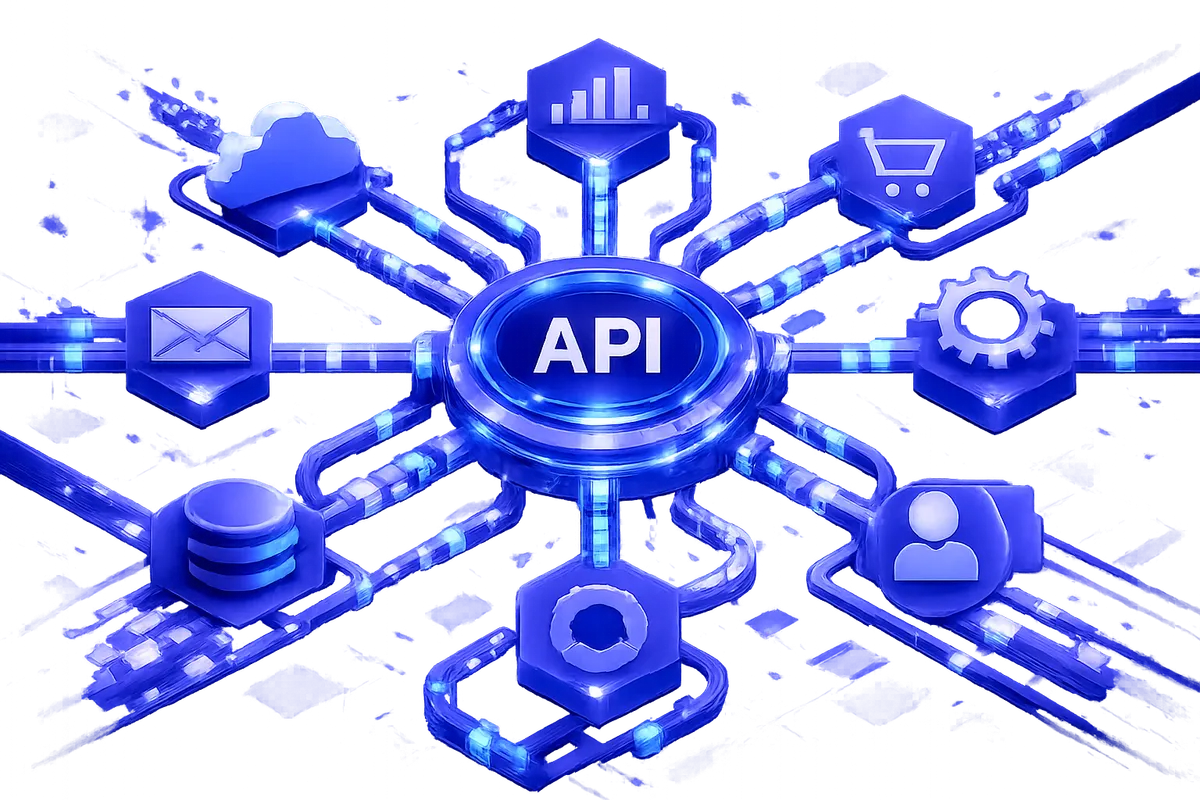
Integration work begins with mapping. We trace every data flow that currently involves a manual step, understand the business logic behind each flow, and identify the systems on each end of the connection. This mapping phase reveals both the integration opportunities and the data quality issues that integration will expose, because manual processes often include correction steps that automation needs to replicate or eliminate.
We then design the integration architecture: what data moves, in which direction, on what trigger or schedule, with what transformation logic, and with what error handling. For Rogers Park organizations with limited technical staff, we favor integration approaches that are self-monitoring, generate clear alerts when something goes wrong, and can be diagnosed by someone who is not a software engineer.
We work with the integration tools appropriate to your systems' technical capabilities: direct API calls for modern systems with well-documented APIs, webhook-driven integrations for event-based workflows, Zapier or Make for simpler integration needs where a no-code platform is sufficient, and custom middleware for complex cases where neither direct API integration nor no-code tools are adequate.
Industries We Serve in Rogers Park
Community health and social services organizations on Howard Street and across the neighborhood need integration between scheduling, clinical, communication, and reporting systems that eliminates the manual data transfer consuming program staff time and creating care coordination gaps.
Restaurants and food businesses on Clark Street and Devon Avenue benefit from integration between POS, online ordering, inventory, loyalty, and accounting systems that replaces the manual reconciliation work that consumes manager time and introduces errors.
Arts and cultural organizations including Lifeline Theatre and Mayne Stage need integration between ticketing, donor management, email marketing, and event management systems that keeps audience and donor data current across platforms.
Nonprofit and advocacy organizations across the neighborhood need integration between program management, donor management, grant reporting, and communication tools that reduces the administrative overhead of managing multiple systems with overlapping data.
Retail and cooperative businesses near the Glenwood area and Sheridan Road need integration between inventory, POS, e-commerce, and member management systems that provides a coherent operational view without manual data bridging.
Loyola-adjacent professional services businesses need integration between CRM, scheduling, billing, and communication tools that supports client relationship management without manual data management overhead.
What to Expect Working With Us
1. Data flow mapping. We document every manual data transfer in your current workflow, understand the business logic behind each one, and identify which integrations deliver the highest value from automation. This produces a prioritized integration roadmap with ROI projections for each item.
2. Integration architecture design. We design the integration approach for each system connection, specifying data mapping, transformation logic, trigger conditions, error handling, and monitoring. You review this before any development begins.
3. Build and test. We build integrations incrementally, testing each connection against your actual production data before moving to the next. Testing includes both happy-path scenarios and error conditions to ensure the integration handles edge cases correctly rather than silently failing.
4. Monitoring and documentation. Every integration we deploy includes monitoring that alerts when errors occur, documentation that explains how the integration works and how to diagnose common problems, and a structured handoff that ensures whoever is responsible for the systems understands what we built and how it works.