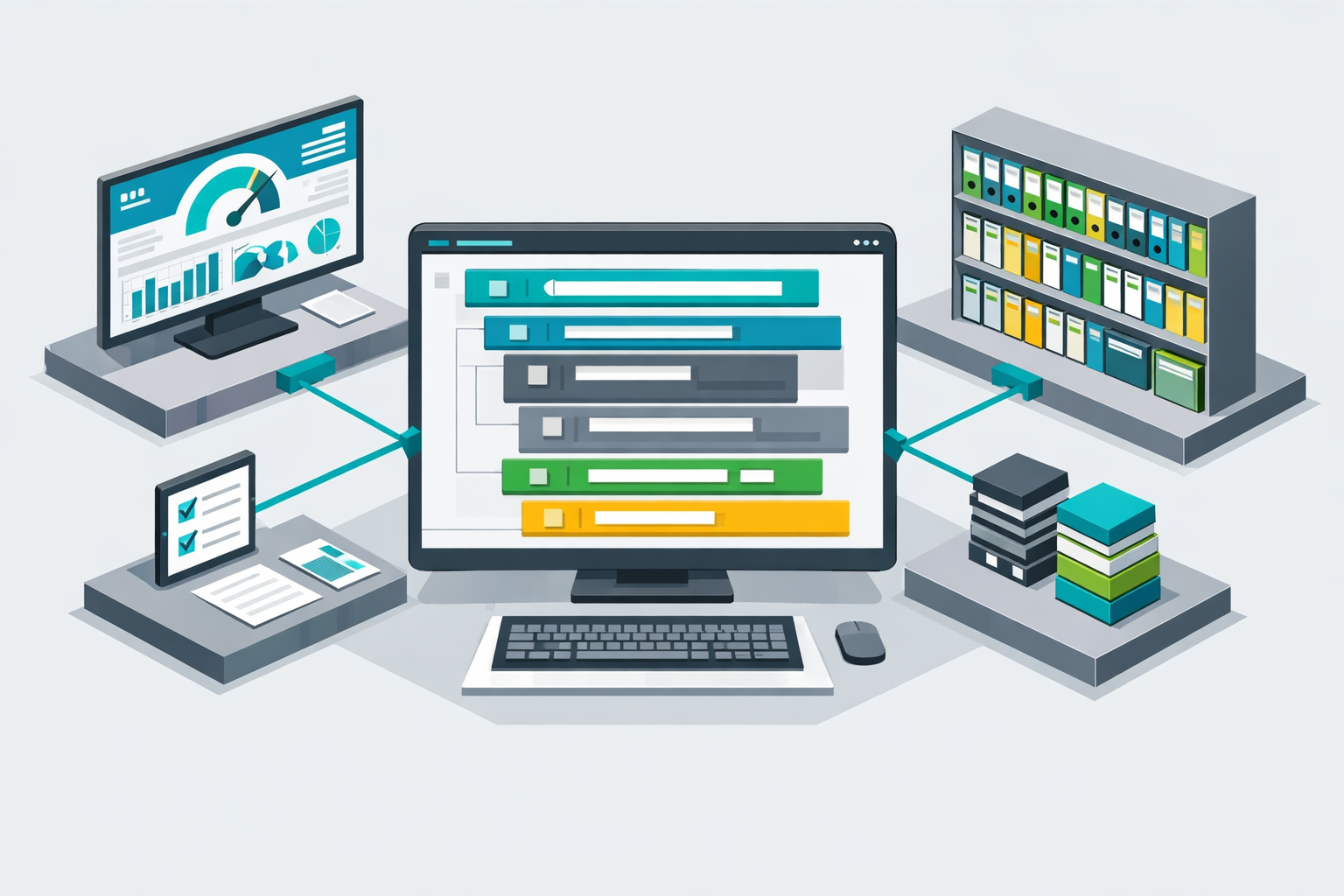
How We Build Prompt Engineering Programs for River North
We begin with a use case inventory: what tasks does your River North team currently use AI tools for, what tasks could they use AI tools for if the output quality were reliable, and what are the specific quality requirements for each use case. This inventory drives the prompt engineering priorities.
For galleries on Superior Street, priority use cases typically include collector inquiry response drafting, exhibition wall text drafting, artist statement editing, provenance summary generation, and press release drafting. Each use case has specific quality requirements that the prompt must address: the tone of collector correspondence, the intellectual register of exhibition writing, the factual accuracy required for provenance summaries.
We design the prompt templates for each priority use case. A prompt template is not a static string. It is a structured instruction that specifies the task, the context, the format requirements, the audience characteristics, and any specific constraints the output must meet. For gallery collector correspondence, the template might specify the gallery's curatorial voice, the relevant information about the specific work being inquired about, the format of a professional gallery inquiry response, and the constraints around pricing communication.
We test prompts against real use cases, evaluating output quality against the professional standards of your River North business, and iterate until the output consistently meets those standards. Testing should cover not just ideal cases but the edge cases and ambiguous situations where prompt quality most significantly affects output reliability.
We document the prompt templates and the usage guidelines that enable your team to use them consistently and adapt them appropriately for variations in the base case. A well-documented prompt library is a transferable operational asset that maintains value across staff changes.
Industries We Serve in River North
Art galleries and dealers on Superior Street receive prompt engineering programs for collector correspondence, exhibition content, provenance research synthesis, artist documentation, and press communication, with templates calibrated to the professional standards and voice of the gallery district.
Showroom vendors at the Merchandise Mart receive prompt engineering programs for specification response drafting, trade client correspondence, product documentation, new product announcement content, and competitive positioning statements, with templates calibrated to the technical precision and professional register of the design specification community.
Boutique hotels on Kinzie Street and Ontario Street receive prompt engineering programs for guest communication templates, concierge recommendation content, group and event inquiry responses, marketing content, and operational documentation, with prompts calibrated to the hospitality brand voice and guest service standards.
Creative agencies and professional services firms between Clark Street and Ontario Street receive prompt engineering programs for client briefing documents, strategy drafting, competitive analysis summaries, proposal content, and client communication templates, with prompts calibrated to each agency's or firm's specific voice and professional standards.
High-end restaurants on Hubbard Street and Wells Street receive prompt engineering programs for menu description writing, guest communication, event and private dining proposals, social media content, and operational documentation, with prompts calibrated to the restaurant's specific voice and the dining experience it represents.
Real estate and property management firms near Marina City receive prompt engineering programs for property description writing, marketing content, client communication, market analysis summaries, and lease document drafting assistance, with prompts calibrated to the luxury residential transaction context.
What to Expect Working With Us
1. Use case inventory and prioritization. We inventory your current and potential AI tool use cases, assess the quality gap between current AI output and your professional standards for each, and prioritize the use cases where prompt engineering will produce the greatest efficiency and quality improvement.
2. Prompt design and testing. We design prompt templates for each priority use case, test against real examples with output evaluated against your professional standards, and iterate until output is consistently reliable. Testing covers both common and edge cases.
3. Documentation and team training. We document the prompt templates with usage guidelines, examples of good output, and guidance for adapting templates to case variations. We train your River North team on using the templates effectively and on the judgment calls required when templates need adaptation.
4. Prompt library maintenance. AI models update, business contexts change, and new use cases emerge. We provide ongoing prompt library maintenance that keeps templates current as the models they run on evolve and as your team identifies new high-value use cases.