How We Build Multi-Agent Systems for River North
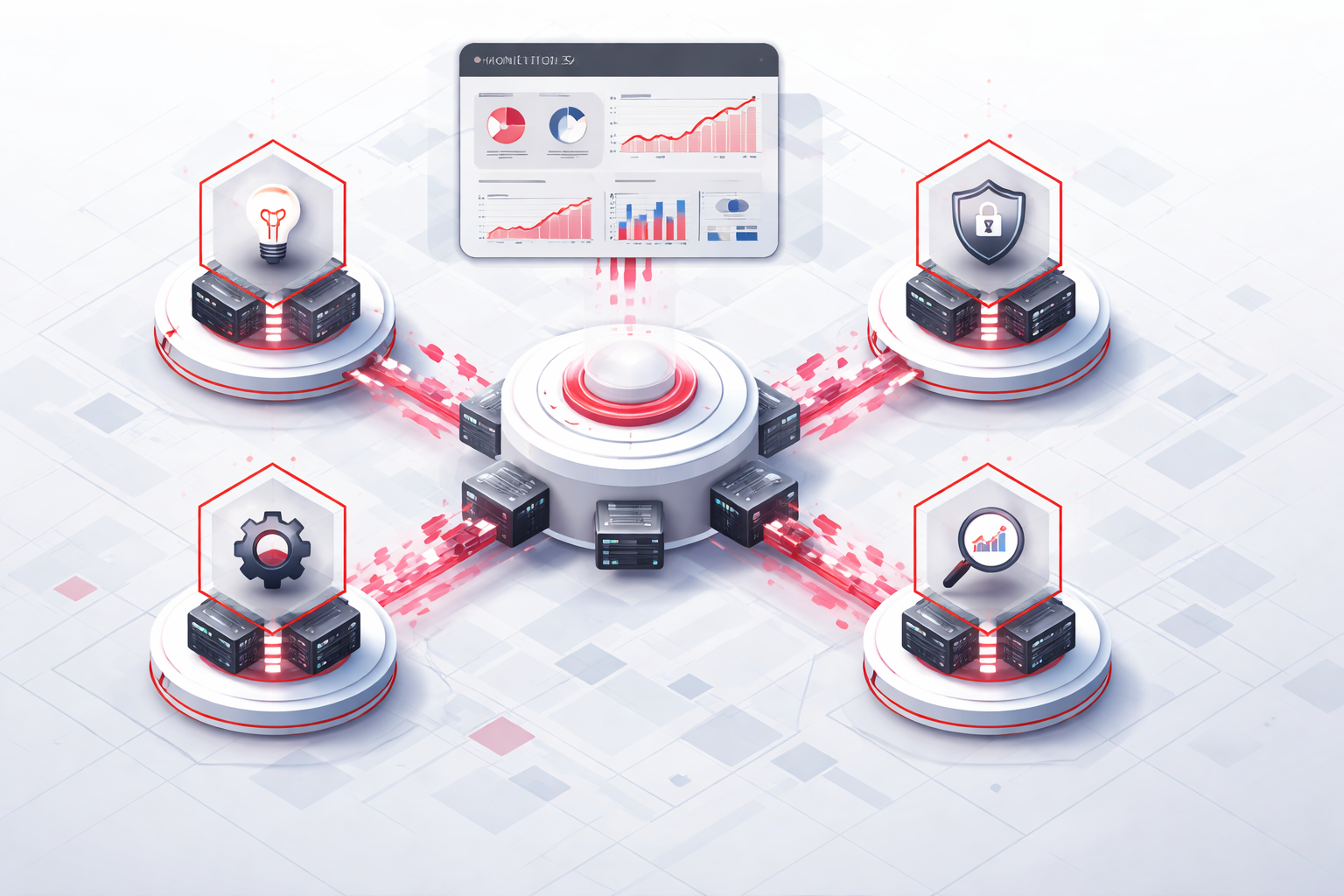
We begin by identifying the specific workflows in your River North operation that involve multiple sequential or parallel tasks, where the output of one task is an input to the next, and where the full workflow currently requires significant human coordination time. These are the workflows where multi-agent architecture adds value.
We design the agent architecture: how many agents are needed, what each agent's specific responsibility is, how agents communicate with each other, how information passes between agent stages, and how the coordinating agent manages the overall workflow and assembles final outputs. Architecture design is where multi-agent systems succeed or fail. Poorly designed agent handoffs produce information loss. Poorly defined agent responsibilities produce redundancy and inconsistency.
We develop and test each individual agent before testing the full system. An agent that researches provenance well in isolation but produces output in a format the next agent cannot parse reliably has introduced a failure point that will degrade overall system performance. We test agent handoffs with real workflow data before assembling the full system.
We build the orchestration layer that coordinates agent execution, handles failures and retries, monitors progress, and delivers final outputs to the human review stage. Multi-agent systems require robust orchestration because failures at any stage need to be caught and handled rather than silently propagating through subsequent stages.
Industries We Serve in River North
Art galleries and dealers on Superior Street use multi-agent systems for consignment intake workflows, provenance research coordination, collector inquiry response preparation, and exhibition planning workflows that require simultaneous research, documentation, and communication preparation across multiple agent specializations.
Showroom vendors at the Merchandise Mart use multi-agent systems for complex specification request processing, trade pricing and availability coordination, project timeline analysis, and response package preparation that combines multiple product lines and configuration options.
Boutique hotels on Kinzie Street and Ontario Street use multi-agent systems for revenue management workflow automation, competitive rate analysis coordination, group inquiry response preparation, and guest experience analysis that pulls data from multiple hotel systems.
Creative agencies and professional services firms between Clark Street and Ontario Street use multi-agent systems for comprehensive client research preparation, competitive analysis workflows, proposal development coordination, and multi-source content research for client deliverables.
High-end restaurants on Hubbard Street and Wells Street use multi-agent systems for event planning coordination, menu development research that pulls from multiple supplier databases and trend sources, and operational planning workflows that coordinate across scheduling, inventory, and staffing.
Real estate and property management firms near Marina City use multi-agent systems for property due diligence coordination, market analysis that pulls from multiple data sources simultaneously, and leasing workflow coordination across availability checking, pricing analysis, and response preparation.
What to Expect Working With Us
1. Workflow analysis and agent design. We identify the specific workflows that benefit from multi-agent architecture, design the agent structure and coordination logic, and document the expected behavior of the full system before development begins. System design takes two to four weeks for most River North workflow types.
2. Individual agent development and testing. We develop and test each agent in isolation before building the coordination layer. Individual agent performance must meet accuracy and reliability requirements before the agents are assembled into the full system.
3. System integration and end-to-end testing. We build the orchestration layer, integrate the individual agents, and test the full system end-to-end with real workflow data including the edge cases that reveal brittleness in agent handoffs and coordination logic.
4. Deployment and monitoring. We deploy the system in your operational environment with comprehensive monitoring for agent-level and system-level failures. Multi-agent systems require more sophisticated monitoring than single-agent deployments because failure can occur at multiple points in the workflow. We provide the monitoring infrastructure and ongoing support to keep the system reliable.