How We Build Data Analytics and AI for River North
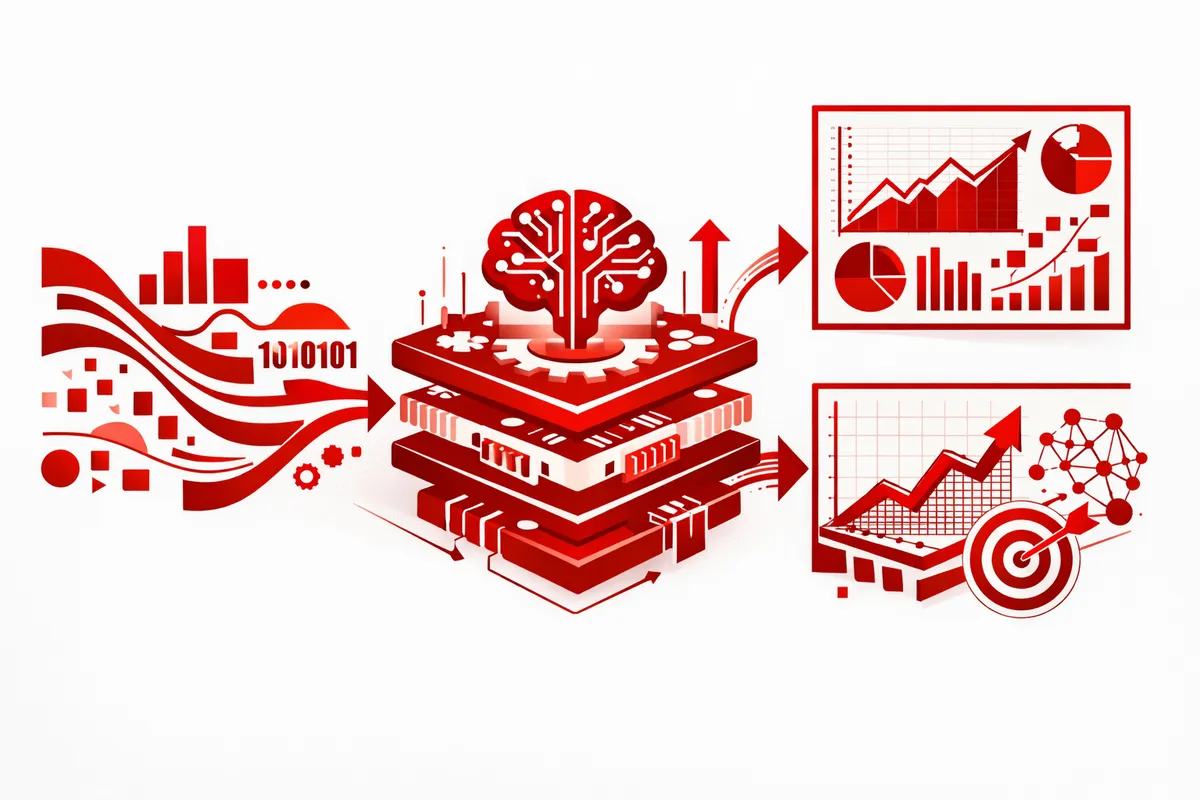
We start with the decisions your River North business needs to make and work backward to the data and analysis that would support those decisions better. This approach prevents the common failure mode of analytics projects that produce impressive dashboards but do not connect to the decisions that matter.
For galleries on Superior Street, decision-relevant analytics typically includes collector segment analysis, artist market performance tracking, exhibition ROI analysis, and marketing channel attribution. We connect the data sources that contain this information, build the analysis, and present it in formats that gallery leadership can use for programming and relationship management decisions.
For Merchandise Mart showroom vendors, relevant analytics includes client lifetime value analysis by designer segment, product category margin and specification rate analysis, project timeline pattern analysis, and communication effectiveness measurement. We build the data infrastructure and analysis that makes these insights available to sales and leadership regularly rather than only when someone runs a custom query.
For hotels on Kinzie Street, we build demand forecasting models, revenue management dashboards, guest segment analysis, and operational efficiency metrics that give revenue and operations leadership the visibility needed for dynamic pricing and staffing decisions.
We use AI to extend analytics beyond historical description into prediction and optimization. Predictive models that forecast future demand, identify at-risk relationships, or recommend optimal pricing configurations add decision-making value that historical reporting alone cannot provide.
Industries We Serve in River North
Art galleries and dealers on Superior Street receive data analytics programs covering collector segment analysis, artist market performance, exhibition impact measurement, acquisition funnel analytics, and marketing attribution analysis that gives gallery leadership data-driven insight for programming and relationship decisions.
Showroom vendors at the Merchandise Mart receive analytics programs covering client lifetime value analysis, product performance and margin analytics, specification funnel measurement, designer segment revenue analysis, and predictive models for relationship health and project pipeline forecasting.
Boutique hotels on Kinzie Street and Ontario Street receive analytics programs covering demand forecasting by segment and date type, revenue management performance analysis, guest satisfaction correlation analysis, operational efficiency metrics, and predictive models for re-engagement and churn risk.
Creative agencies and professional services firms between Clark Street and Ontario Street receive project profitability analysis by client type, team utilization and capacity forecasting, proposal win rate analysis by segment and proposal type, and new business funnel analytics.
High-end restaurants on Hubbard Street and Wells Street receive analytics programs covering menu performance by item and category, diner segment analysis, reservation pattern forecasting, private dining revenue analytics, and waste and inventory optimization analysis.
Real estate and property management firms near Marina City receive analytics programs covering market pricing analysis, portfolio performance tracking, tenant retention analytics, maintenance cost pattern analysis, and property revenue forecasting.
What to Expect Working With Us
1. Decision and data mapping. We identify the decisions that most need data support in your River North business, map the data that exists to support those decisions, and assess the gaps between available data and ideal data. The mapping drives the analytics program design rather than starting with available data and finding something to do with it.
2. Data infrastructure development. We connect and integrate the data sources your analytics program requires, build the transformation layer that turns raw operational data into consistent, analysis-ready formats, and establish the data quality practices that keep the analytics reliable over time.
3. Analytics and AI development. We build the specific analytics, dashboards, and AI models that address your decision-support requirements. For River North businesses, this typically includes a combination of historical reporting for operational visibility and predictive models for forward-looking decisions.
4. Insight delivery and decision support. We design the reporting and insight delivery mechanisms that make analytics accessible and actionable for the people making decisions in your River North business. Analytics that require a data scientist to interpret are less useful than analytics designed for the decision-maker's level of data sophistication.