How We Build Chatbots for River North
We begin with inquiry analysis: what questions your clients actually ask, how they phrase them, what information they need to make decisions, and what actions the chatbot should be able to take on their behalf. For a gallery on Superior Street, this means reviewing actual email and contact form inquiries from collectors over the past year. For a Merchandise Mart showroom, it means reviewing trade inquiry emails and showroom visit request patterns.
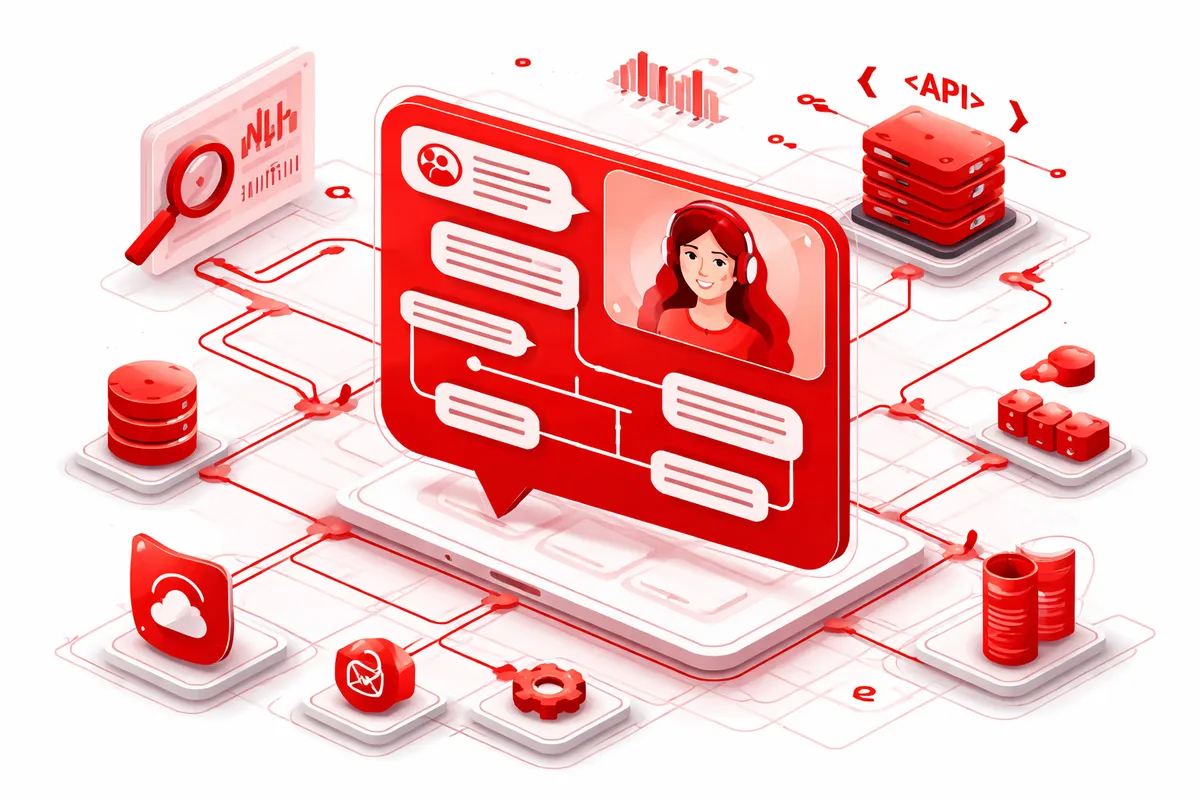
We design the conversation architecture: what the chatbot knows, what it can do, when it escalates to a human, and how it handles the situations it is not equipped to resolve. The escalation logic is as important as the resolution logic. A chatbot that escalates gracefully, collects the relevant information, and notifies the right staff member with context produces a better client experience than a chatbot that pushes back repeatedly before giving up.
We train the chatbot on your actual business information: inventory data, policy details, pricing where appropriate to share, staff availability for escalation, and brand voice guidelines that ensure the chatbot sounds like your business rather than a generic AI. For galleries, training on artist information, exhibition context, and provenance standards is particularly important. For Merchandise Mart vendors, training on product specifications, lead times, and trade pricing structures is essential.
We integrate the chatbot with your existing systems where integration creates value: inventory systems for accurate product information, booking platforms for real-time availability, CRM for recognizing returning clients and maintaining conversation history, and email or SMS for off-channel follow-up.
Industries We Serve in River North
Art galleries and dealers on Superior Street receive chatbots trained on gallery inventory, artist roster, exhibition schedule, and collector inquiry patterns, capable of answering specific artwork and availability questions, scheduling viewing appointments, and escalating to gallery staff with full inquiry context.
Showroom vendors at the Merchandise Mart receive chatbots trained on product specifications, lead times, trade pricing structures, and showroom appointment scheduling, capable of answering the most common trade professional inquiries and capturing contact information for complex requests that require sales follow-up.
Boutique hotels on Kinzie Street and Ontario Street receive chatbots integrated with property management systems for real-time availability information, trained on amenity details, room type characteristics, and local area information, capable of moving guests from inquiry to booking within the conversation.
Restaurants on Hubbard Street and Wells Street receive chatbots integrated with reservation systems for real-time table availability, trained on menu information and dietary accommodation policies, and capable of booking standard reservations and routing private dining inquiries to the appropriate staff member.
Creative agencies and professional services firms near Clark Street and Ontario Street receive chatbots that handle new business inquiries, collect prospect information, schedule discovery calls, and answer common questions about services and process without requiring partner or senior staff involvement for initial intake.
Real estate and property management firms near Marina City receive chatbots trained on current property inventory, leasing requirements, and viewing scheduling, capable of qualifying prospects, booking property tours, and routing complex situations to property managers with full inquiry context.
What to Expect Working With Us
1. Inquiry analysis and conversation design. We analyze your actual client inquiries, design the conversation flows that address common inquiry types, define the escalation logic, and establish the training requirements before any development begins. This phase takes two to three weeks and produces a detailed conversation design document that both parties review before development begins.
2. Chatbot development and training. We build the chatbot using the appropriate platform for your use case, train it on your business information, and integrate it with your existing systems. We test extensively against the inquiry patterns documented in the design phase, including the edge cases that reveal brittleness in the conversation logic.
3. Deployment and channel integration. We deploy the chatbot on your website and any other channels where your clients communicate, configure the escalation routing to the appropriate staff members, and establish the monitoring systems that alert your team to conversations that need human attention.
4. Performance review and optimization. We review conversation logs in the first ninety days to identify inquiry patterns the chatbot is handling poorly, refine the training and conversation logic, and improve resolution rates based on real client behavior. Most chatbots improve significantly in the first three months of production operation.