How We Build AI Data Pipelines for River North
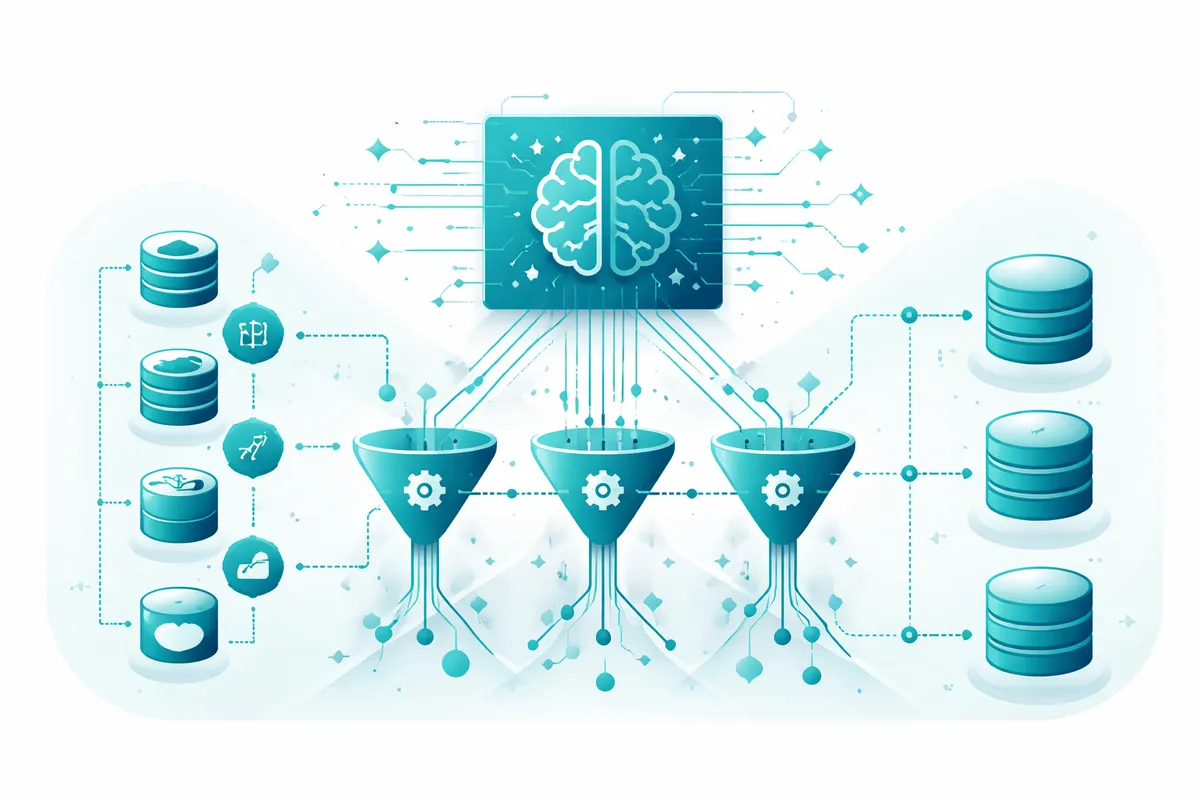
We start by inventorying your current data sources. For a River North showroom, this might include Salesforce for CRM, QuickBooks for accounting, a custom configurator tool for specifications, an email platform, and a showroom traffic counter. For a gallery, it might include a specialized art gallery management system, Mailchimp, Square for retail transactions, and Instagram Insights. We document where each data source lives, what format it uses, how frequently it updates, and what decisions you want to make with the combined data.
We then design the pipeline architecture. Some data flows need to be real-time or near real-time: a hotel's availability data needs to update booking systems immediately. Some data flows work fine with nightly or weekly updates: a gallery's collector engagement summary is useful at weekly cadence without requiring continuous refresh. We build the architecture to match the actual tempo of the decisions you need to make.
We build transformation layers that normalize the different data formats into consistent structures. A lead that arrives from a trade show badge scan, an email form submission, and a direct phone call will each have different initial data structures. The pipeline transforms all three into the same format before they reach your CRM or analytics system.
We deploy monitoring and alerting so you know immediately when a pipeline fails or produces unexpected output. A broken data pipeline that goes undetected for weeks corrupts analysis and can lead to significant business decisions made on incomplete information.
Industries We Serve in River North
Art galleries and dealers on Superior Street and throughout River North use AI data pipelines to connect their gallery management systems, collector CRM, email marketing platforms, and art fair data into unified views of collector engagement and sales pipeline health.
Showroom vendors at the Merchandise Mart use pipelines to connect CRM systems with specification tracking, quote tools, delivery status data, and project timeline information so sales teams have accurate, current information when following up with interior design and architecture clients.
Hotels and hospitality businesses near Kinzie Street and Ontario Street use AI data pipelines to connect booking systems, revenue management tools, guest satisfaction platforms, and loyalty program data so revenue and operations teams can make pricing and service decisions from complete, current information.
Restaurants and food and beverage businesses on Hubbard Street and Wells Street use pipelines to connect POS systems, reservation platforms, inventory management, and online ordering data to understand which menu items drive the most revenue, which service periods are most profitable, and where costs are running above expected levels.
Creative agencies and professional services firms in River North use data pipelines to connect project management tools, time tracking systems, billing platforms, and client communication history to understand project profitability, team utilization, and client relationship health across a full portfolio of engagements.
Real estate developers and property management firms near Marina City and throughout River North use pipelines to connect leasing data, maintenance request systems, tenant communication platforms, and market comparison data to manage portfolios with better visibility into what is working and where intervention is needed.
What to Expect Working With Us
1. Data source inventory and pipeline design. We document all your current data sources, the decisions you need to make with connected data, and the appropriate update frequency for each pipeline. We design the architecture before writing any code so we understand the full scope and build it right the first time rather than retrofitting connections later.
2. Pipeline development and testing. We build the extraction, transformation, and loading logic for each data flow, test against real data to verify accuracy, and run parallel systems during a validation period to confirm the pipeline matches what your team has been producing manually. Accuracy matters more than speed in this phase.
3. Deployment and monitoring setup. We deploy the production pipelines, configure monitoring and alerting for each connection, and document the system for your team. You should always know if a pipeline is running correctly or has encountered an error, and the documentation should make it possible for your team to understand the architecture without relying on us for every question.
4. Ongoing optimization and expansion. Data needs evolve. When you add a new tool, change a vendor, or identify a new decision that requires data you are not currently connecting, we extend the pipeline architecture. Most clients expand their pipeline coverage significantly in the first twelve months as they discover what is possible once the initial connections are in place.