How We Build Personalization for River North
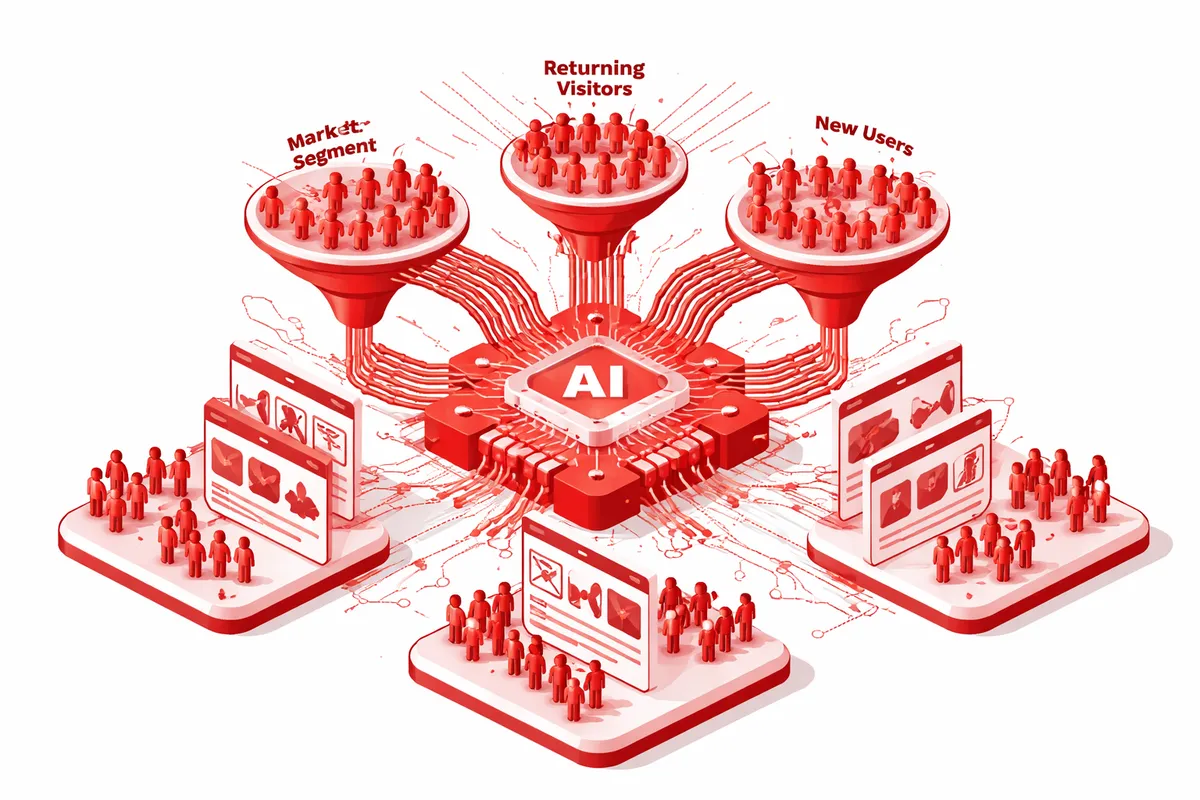
We begin by mapping your visitor segments: who actually visits your site, what intent each segment arrives with, and what content most effectively advances each segment's decision. For a River North gallery, this might be three segments: casual browsers drawn by a social post or discovery search, returning visitors who have shown prior interest, and known contacts from the collector database who click through from email communications. For a boutique hotel, segments might include leisure travelers, corporate rate account users, event planners, and travel agent partners.
For each segment, we identify the content and calls to action most likely to advance their decision. We design content variations that can be served dynamically without requiring separate page builds for each segment. A returning hotel visitor sees the room type they viewed previously featured at the top of the page, along with a loyalty recognition message. A first-time visitor sees the hotel's most compelling property narrative. An event planner who arrived from a search for "private dining Chicago" sees event space capacity and catering details prominently.
We configure the personalization engine to recognize visitor signals: referral source, prior visit history, search query content, page behavior, and CRM data where available. We integrate with your booking platform, CRM, and email marketing system so that known visitors are recognized and served appropriately. We deploy analytics tracking that measures each segment's behavior and conversion against your actual business objectives, not just page views.
Industries We Serve in River North
Art galleries and fine art dealers on Superior Street and throughout the River North Gallery District use personalization to serve different content to first-time visitors, returning browsers, recognized collectors, and media contacts. Known collectors from the gallery's CRM see new acquisitions relevant to their documented interests when they return to the site. First-time visitors see exhibition overview and visiting information. Personalization converts what would be passive gallery traffic into active collector engagement.
Boutique hotels and hospitality properties near Kinzie Street and along Wells Street serve personalized content to leisure travelers, corporate clients, event planners, and loyalty program members. Personalization increases booking conversion by ensuring each visitor type encounters the most persuasive content for their category without having to search through content aimed at other audience types.
Design showrooms and trade resources connected to the Merchandise Mart ecosystem use personalization to differentiate between trade professional visitors and retail consumer visitors, serving specifications and trade pricing to verified professionals and lifestyle-forward inspiration content to retail consumers. The same product catalog serves both audiences effectively when the presentation adapts to the visitor's relationship with the showroom.
Fine dining restaurants and private event venues on Hubbard Street use personalization to serve returning guests recognition and current specials, first-time visitors approachable menu and review content, and event planners capacity and catering information. Restaurant personalization reduces friction in the path to reservation completion, which directly increases booked covers.
Architecture and interior design firms near the Merchandise Mart deploy personalization for their practice websites to serve different case study depth and service information to prospective clients, existing clients, and industry peers. Prospective clients see project outcomes and service processes. Existing clients see project update portals and team contact information. Industry peers see thought leadership content and speaking engagements.
Corporate law and professional services firms along Clark Street and Wells Street use personalization to serve different content to prospective clients researching services, existing clients returning for information, and prospective hires exploring the firm's culture and practice areas. Each visitor type encounters the content most relevant to their relationship with the firm without navigating through content aimed at others.
What to Expect Working With Us
1. Visitor segment mapping and content strategy. We analyze your existing traffic, interview your team about visitor types and their needs, and map the personalization strategy for your specific business. We identify which visitor segments represent the highest conversion opportunity and prioritize personalization development around those segments first.
2. Content variation development and technical configuration. We design the content variations for each visitor segment and configure the personalization engine to serve them based on visitor signals. We build the integration between personalization, your CRM, and your booking or reservation systems so that recognized visitors receive appropriately tailored experiences.
3. Analytics and conversion tracking deployment. We configure measurement that captures segment-level behavior and conversion, giving you visibility into which personalization is driving booking, inquiry, and reservation outcomes for each visitor type. We establish baseline metrics before deployment so the impact of personalization is measurable against prior performance.
4. Ongoing optimization and segment expansion. We review personalization performance monthly, refining content variations based on observed conversion patterns and expanding personalization to additional visitor segments as the core deployment proves its value. Personalization systems improve as they accumulate behavior data, and quarterly optimization sessions ensure the system reflects your evolving business priorities.