How We Build Prompt Libraries for Ravenswood
We start with a workflow audit. We identify every use case where your team currently uses or wants to use AI tools: marketing copy, social posts, email drafts, customer responses, supplier communications, proposals, product descriptions, documentation. We prioritize use cases by frequency and by the gap between current AI output quality and the quality you actually need.
For each use case, we design a prompt template that encodes the context AI needs to produce useful output: your business context (Ravenswood brewery, North Side Chicago), your brand voice, the specific output requirements, relevant constraints, and examples of what good output looks like. We test each template against your actual use cases and refine until the output is consistently useful with minimal editing.
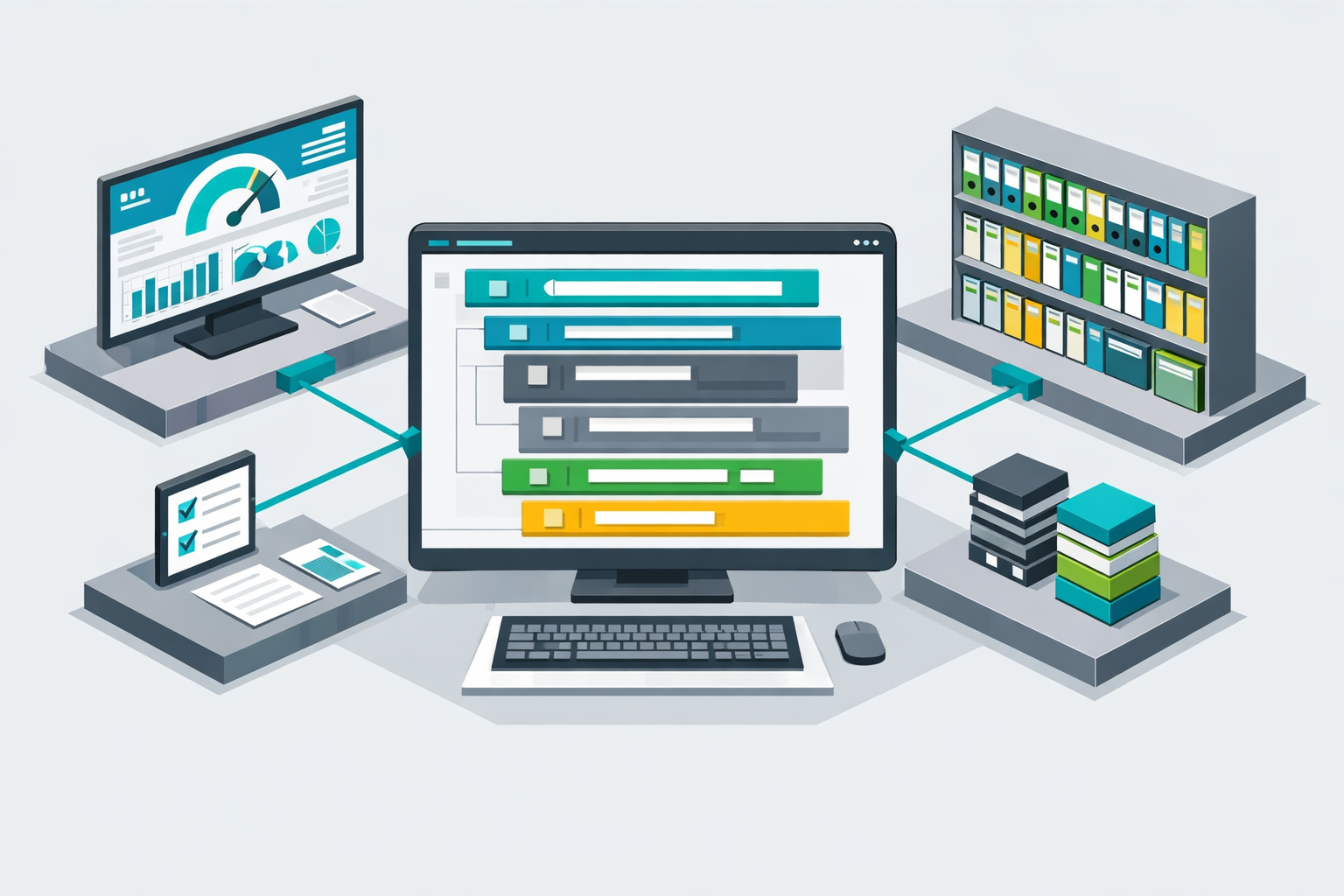
We compile the templates into a prompt library organized by use case. Your team can access the library and run the appropriate prompt for each task rather than writing prompts from scratch each time. We document how to use each template and how to adapt it for variations on the core use case.
We train your team on the prompt library and on the underlying principles that allow them to adapt templates and create new ones as their needs evolve.
Industries We Serve in Ravenswood
Breweries and craft beverage producers along Ravenswood Avenue receive prompt libraries covering taproom social content, new beer release announcements, taproom event promotion, tasting note generation by style, distributor pitch writing, email newsletter sections, and customer response drafts. Each template is calibrated to the brewery's specific voice and the Ravenswood taproom community context.
Design studios and creative agencies off Damen Avenue and Montrose Avenue receive prompt libraries covering project proposal sections, client update emails, design brief analysis, case study drafts, new business outreach, award submission writing, and thought leadership content. Templates encode the studio's specific aesthetic vocabulary and client communication style.
Light manufacturers and artisan producers on the Ravenswood industrial corridor receive prompt libraries covering supplier communication, customer proposal sections, product description writing for different audience types, quality documentation language, and exhibition or trade show copy. Templates handle the technical accuracy requirements and professional tone that manufacturer communications require.
Specialty retailers and boutique operators on Lawrence Avenue receive prompt libraries covering product description writing, buying copy for seasonal catalogs, social content, customer email campaigns, and staff communication. Templates encode the retailer's specific curation voice and the expertise-first communication approach that differentiates them.
Yoga studios and wellness businesses near Welles Park receive prompt libraries covering class descriptions, instructor bios, workshop promotion, member newsletter content, social content, and new member welcome materials. Templates reflect the studio's specific teaching philosophy and community character.
Coffee roasters and specialty food producers receive prompt libraries covering origin story writing, tasting note generation, subscription communication, wholesale pitch materials, social content, and wholesale buyer education content. Templates encode the roaster's specific sourcing approach and flavor vocabulary.
What to Expect Working With Us
1. Workflow audit and use case prioritization. We identify every AI use case your team has or wants, assess current prompt quality, and prioritize by frequency and improvement potential. This takes one week and produces a prioritized prompt development list.
2. Prompt template development and testing. We design templates for each prioritized use case, test them against real examples from your business, and refine until output quality is consistently strong. Development typically covers 10 to 20 templates for the initial library.
3. Library documentation and team training. We document the prompt library with clear guidance on when to use each template and how to adapt it for variations. We train your team on using the library and on the underlying principles that allow adaptation and expansion.
4. Library expansion and refinement. As your team uses the library and identifies new needs or quality gaps, we expand and refine the templates. Quarterly reviews update the library based on what is being used, what is not working, and what new use cases have emerged.