How We Build Progressive Web Apps for Ravenswood
PWA development starts with an experience audit. We review the current web presence on mobile: load times, conversion flows, the specific interactions where users abandon, and the features that customers actively request. For a Ravenswood brewery, that audit typically reveals that the can club signup, the event RSVP, and the taproom menu are the three highest-priority mobile experiences to optimize. Everything else is secondary.
Architecture decisions follow the audit. We define which features the PWA needs to support, which need offline functionality, and how the PWA connects to existing backend systems. A specialty manufacturer on Montrose Avenue whose custom order workflow lives in a form on their website gets a PWA that transforms that workflow into a structured, mobile-first application with progress saving and offline capability for customers in poor signal areas.
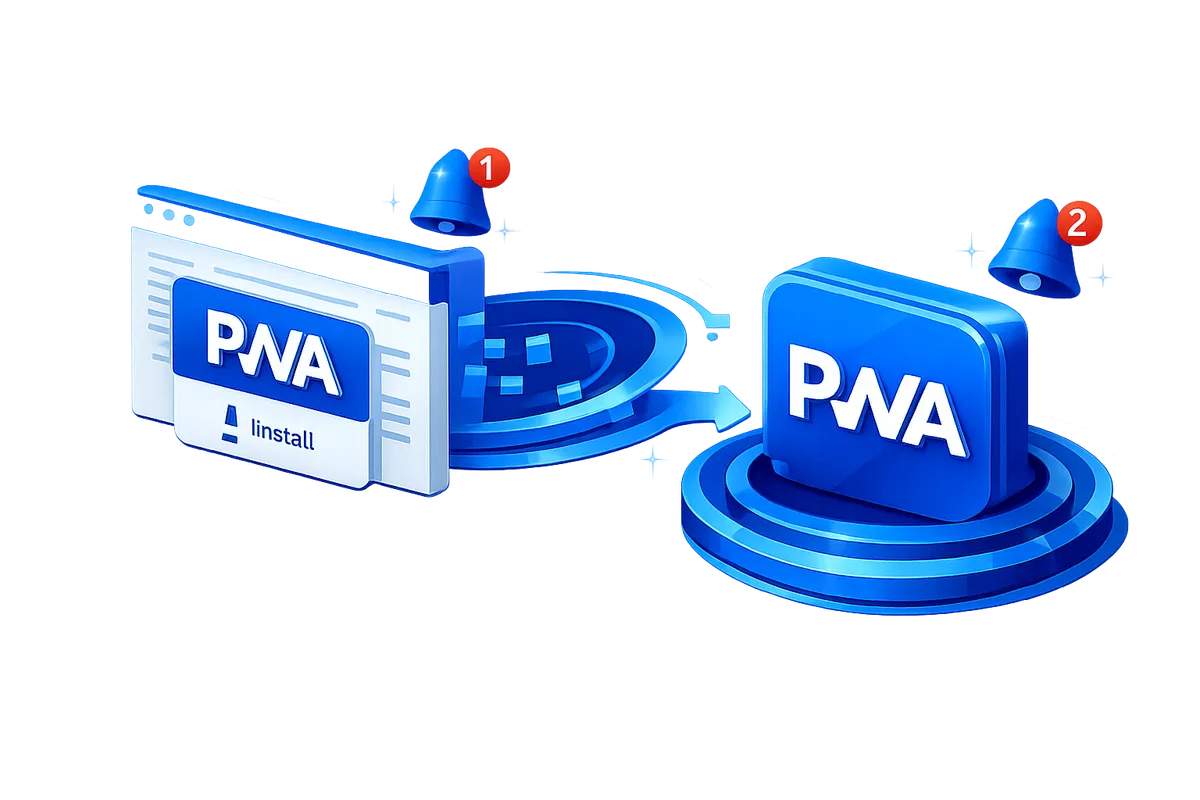
We build on Next.js with a service worker configuration through Serwist that handles the offline caching and push notification infrastructure. The PWA installs as an icon on the customer's home screen and launches without a browser address bar, delivering the native-app feel that converts better than a browser-bound mobile site.
Testing covers the specific scenarios Ravenswood customers actually encounter: launch from home screen on iOS and Android, offline access for cached content, slow-network performance for customers in the basement taproom with weak signal, and form submission behavior when connectivity drops mid-entry.
Industries We Serve in Ravenswood
Craft breweries and distilleries along Ravenswood Avenue have three mobile-critical interactions that benefit most from PWA treatment: can release announcements with pre-order capability, taproom event check-in and ticketing, and subscription club management for members who want to track their pickups and adjust preferences. A PWA that handles all three with offline-capable, app-quality UX converts better than a mobile website and cheaper than a native app.
Artisan manufacturers and specialty producers near Montrose Avenue whose custom order process involves multiple steps, file uploads, and specification inputs benefit from a PWA that saves progress between sessions and works reliably on mobile without requiring customers to complete a complex form in a single sitting. Custom order abandonment rates drop significantly when the submission experience is built as a true application rather than a static web form.
Design studios and creative agencies along Damen Avenue can use a PWA as a client portal that designers' clients access from their phones without going through a browser bookmark. A PWA installed on the client's home screen for project status, file approval, and feedback submission creates a professional engagement infrastructure that distinguishes the studio from competitors still managing client relationships through email chains.
Independent restaurants and cafes near Welles Park use PWAs for mobile ordering and reservation management that feel like native restaurant apps without the App Store submission overhead. A Ravenswood cafe that wants to offer mobile ordering for lunch pickup gets a PWA that processes orders, communicates status, and handles payment in an experience that feels purpose-built, because it is.
Yoga studios and wellness businesses on Lawrence Avenue can offer class booking, membership management, and on-demand content access through a PWA that members install on their home screens. The home-screen presence is a persistent reminder of the studio that static mobile website links never provide.
Specialty retail shops near the Ravenswood Manor neighborhood benefit from PWA product catalogs that load fast even on slower mobile connections and can cache recently-viewed products for offline browsing. A Ravenswood shop that sells online alongside its physical storefront gets a mobile shopping experience that competes with larger retailers on UX quality without competing with their development budgets.
What to Expect Working With Us
1. Mobile experience audit and feature scoping. We audit the current mobile experience, identify the three to five highest-value features to build into the PWA, and define the offline and performance requirements. For Ravenswood breweries, the audit typically confirms that the can club signup and event ticketing flows are where the most conversion is being lost on mobile.
2. PWA architecture and design. We design the application screens, the navigation structure, and the offline behavior before writing production code. The design phase involves low-fidelity wireframes reviewed by the client before we move to high-fidelity screens, so there are no surprises about how the final application will look and behave.
3. Development, service worker configuration, and testing. Build time for a focused PWA with three to five core features runs four to six weeks. We configure the service worker for the specific offline requirements of the Ravenswood business: a brewery PWA might cache the taproom menu and event calendar for offline access; a manufacturer's order portal might cache the specification input flow. Testing covers iOS Safari, Android Chrome, and common tablet configurations.
4. Launch and home-screen adoption campaign. We do not just deploy the PWA and call it done. We build the launch communication strategy: how to tell current customers the PWA exists and give them a reason to install it. For Ravenswood breweries, that often means a release-event install campaign where taproom staff invite customers to add the app during the event.