How We Build Multi-Agent Systems for Ravenswood
Multi-agent system development starts with a workflow analysis: we identify the specific complex workflows the business runs regularly, the distinct tasks within each workflow, the expertise and data access each task requires, and the dependencies between tasks that determine execution order. For a craft brewery, the release workflow analysis surfaces five to eight distinct tasks with specific dependency relationships and the coordination overhead required to execute them without a system.
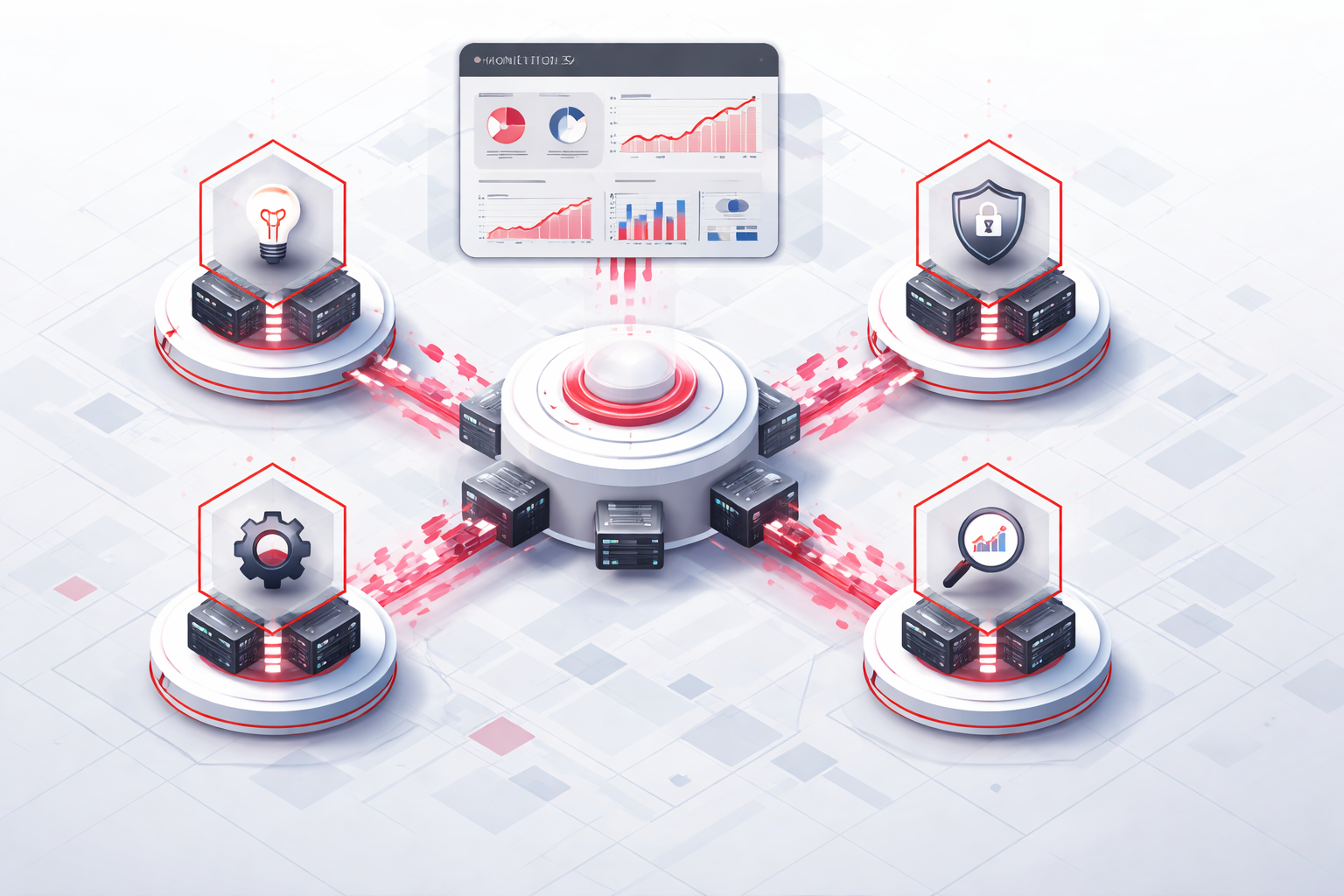
From the workflow analysis, we design the agent architecture: the specific agents required for each workflow, the capabilities each needs, the data sources each connects to, and the orchestration logic that sequences execution and resolves dependencies. We review the design with the business before any development begins, confirming that the proposed system reflects how the workflow actually needs to work.
Each agent is developed and tested individually before the full system is integrated and tested end-to-end against real workflow scenarios. Integration testing confirms that the orchestrating agent correctly sequences tasks, handles dependency failures, and produces the final output in the expected format. Post-deployment monitoring tracks system performance and identifies edge cases that need to be added to the orchestration logic.
Industries We Serve in Ravenswood
Craft breweries along Ravenswood Avenue near Begyle and Empirical deploy multi-agent systems for release coordination workflows, event planning and promotion workflows, and distribution account management. A release coordination system that simultaneously updates the tap list, prepares release marketing content across channels, updates the online shop, and briefs taproom staff executes in hours what currently takes a day of coordinated effort.
Design studios and creative agencies near Lawrence Avenue and Montrose Avenue deploy multi-agent systems for client onboarding workflows, project delivery sequences, and new business development workflows. A proposal development system that simultaneously researches the prospect, drafts the capability overview, populates the project approach based on the brief, and formats the final document reduces proposal production time significantly.
Specialty retailers and artisan producers on Damen Avenue and Ravenswood Avenue deploy multi-agent systems for product launch workflows, inventory management sequences, and wholesale account development. A product launch system that simultaneously updates the website, prepares email announcement content, creates social posts, and notifies wholesale buyers executes the full launch communication workflow without human coordination.
Fitness studios and wellness businesses near Welles Park and along Ashland Avenue deploy multi-agent systems for new member onboarding, class programming workflows, and retention management sequences. A new member onboarding system that coordinates welcome communication, orientation booking, class recommendations, and instructor briefing ensures comprehensive onboarding without any task falling through a coordination gap.
Restaurants and food businesses in the Ravenswood and North Center corridor deploy multi-agent systems for seasonal menu launch workflows, private event booking sequences, and staff communication workflows. A menu launch system that simultaneously updates the website, prepares social content, drafts email announcements, and creates staff training summaries executes the full menu launch in one coordinated sequence.
Architecture and professional services firms in Ravenswood deploy multi-agent systems for proposal development workflows, project kickoff sequences, and client reporting workflows. A proposal system that researches the prospect, drafts the approach and qualifications sections, and formats the final document reduces the time investment required for each new business opportunity.
What to Expect Working With Us
1. Workflow analysis and system design. We analyze the complex workflows the business runs and design the multi-agent architecture, including agent specializations, data connections, and orchestration logic.
2. Agent development and individual testing. We develop each agent individually, testing against real workflow data before integrating into the full system.
3. System integration and end-to-end testing. We integrate the agents, test the full system against real workflow scenarios, and confirm that orchestration logic handles both standard and edge cases correctly.
4. Deployment and ongoing monitoring. We deploy the system, monitor its performance, and refine the orchestration logic as real-world usage reveals edge cases and improvement opportunities.