How We Build Custom CRM for Ravenswood
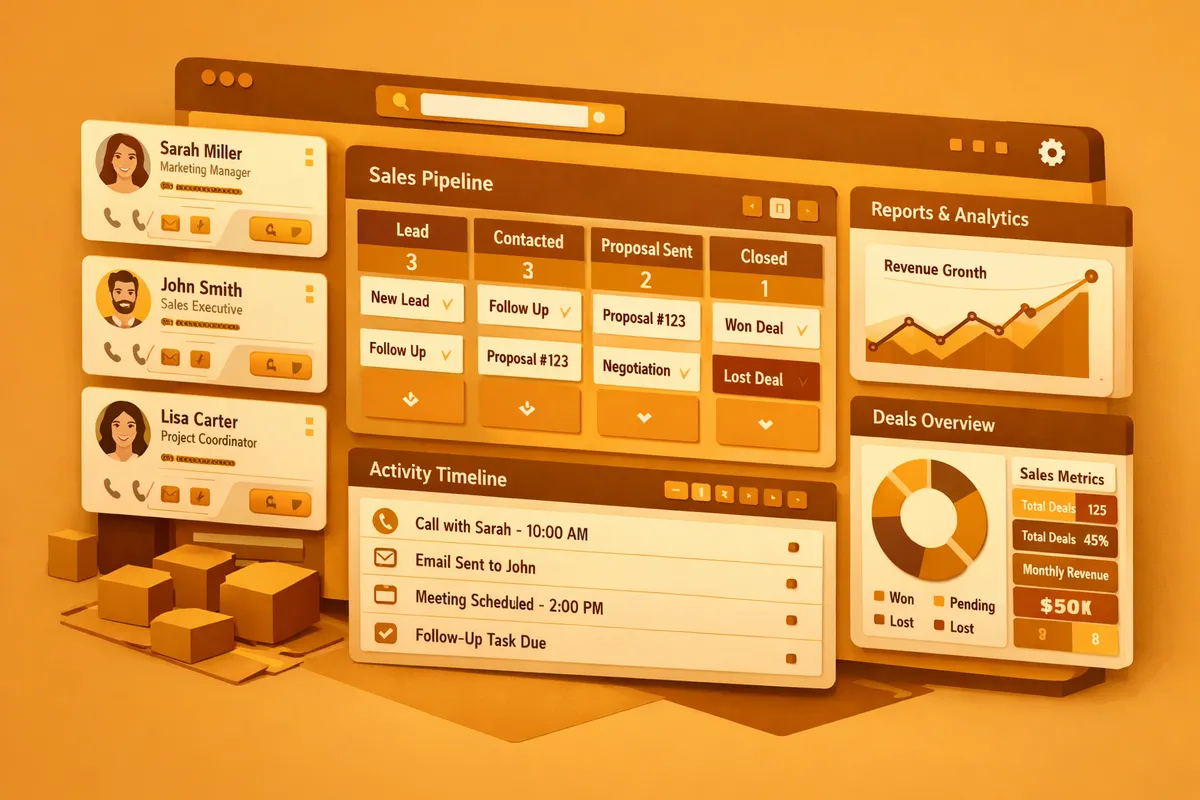
Custom CRM engagements in Ravenswood begin with a discovery process that maps the specific buyer relationship types the business manages. For a craft brewery or artisan producer, that means mapping the difference between distributor relationships, direct wholesale accounts, and any retail or DTC channel the business runs, identifying what data is needed to manage each type effectively, and surfacing the relationship intelligence that currently lives in sales rep memory rather than any system.
From discovery, we design a data model that captures the actual structure of a Ravenswood B2B business's relationship landscape. For a brewery, that model includes an account object with relationship type (distributor, direct wholesale, on-premise), order history organized by product and date, preference and notes fields that capture qualitative relationship knowledge, and a contact structure that tracks the specific people at each account. It includes a renewal and reorder workflow that surfaces accounts due for follow-up before they go dormant. It includes distributor performance tracking that shows volume trends by territory and brand.
For artisan food producers managing wholesale accounts at specialty retailers like those found in the Lincoln Square and Andersonville corridors just north of Ravenswood, we design a buyer relationship model organized around account type, seasonal reorder history, product placement at each location, and the communication history that makes each buyer interaction feel informed rather than generic. When a sales rep calls an account on Ashland Avenue, the CRM surfaces recent order history, the buyer's stated preferences, and any outstanding follow-up commitments from the last conversation, so the call starts from relationship context rather than a blank slate.
We build in phases. Core account management and relationship tracking goes live within eight to ten weeks. Subsequent phases add integration with the order management or production systems many Ravenswood producers use, sales reporting dashboards, and workflow automation for follow-up sequences and renewal alerts.
Industries We Serve in Ravenswood
Craft breweries and beverage producers anchored to the Ravenswood Avenue corridor, including businesses near Begyle Brewing and Empirical Brewery, need buyer relationship management that tracks distributor territory performance, direct account order history, and the individual buyer relationships that drive tap handle placements and shelf positions. When a sales rep sees account order history, flavor preferences, and outstanding follow-up notes before every account visit, the relationship compounds rather than restarting with each call.
Artisan food producers and specialty manufacturers selling wholesale to specialty grocers, restaurants, and institutional buyers on Lawrence Avenue and Damen Avenue need buyer tracking organized around account type, seasonal purchasing patterns, and product placement history. A producer managing sixty wholesale accounts across the North Side and North Shore cannot maintain the relationship intelligence those accounts require from a spreadsheet.
Design studios and creative firms operating in the light-industrial buildings along the Ravenswood train corridor manage project-based client relationships that generic pipeline CRMs handle poorly. A custom CRM for a Ravenswood design firm tracks client project history, proposal and scope history, preferred communication patterns, and the qualitative relationship notes that help a principal manage ten active client relationships simultaneously without losing context on any of them.
Small manufacturers and fabricators with B2B customer bases connect order history, production schedules, and customer relationships in a custom CRM that reflects how manufacturing buyers actually purchase. Near the Chicago River industrial corridor adjacent to Ravenswood, manufacturers managing both custom order clients and standard product distributors need different relationship workflows for each account type.
Independent distributors and specialty wholesalers operating out of Ravenswood manage supplier relationships, buyer accounts, and territory performance tracking simultaneously. A custom CRM for a specialty distributor tracks the supplier brand portfolio, the buyer accounts by product category and territory, and the relationship history with key contacts at both ends of the distribution chain.
Yoga studios, fitness, and wellness businesses on Wilson Avenue and Montrose Avenue that run recurring membership or client relationship businesses need member relationship management that goes beyond scheduling platforms, tracking client history, instructor relationships, retention risk indicators, and the communication history that keeps a wellness community connected over years rather than months.
What to Expect Working With Us
1. Discovery workshops. Two weeks of structured conversations with your sales team and leadership. We document every account type, every data requirement, and every place where relationship intelligence currently lives outside a system, including in sales rep notebooks, email threads, and memory. For Ravenswood B2B producers, discovery almost always surfaces buyer relationship knowledge that exists nowhere except in the heads of two or three people.
2. Data model design and approval. We design the account objects, contact structure, workflow automation, and reporting architecture before writing any code. For a brewery, that means designing the distributor object, the direct account object, and the order history structure. You review and approve before development begins.
3. Phased build. Core account management live within eight to ten weeks. Subsequent phases add integrations with order management systems, sales reporting, and workflow automation. Your team builds habits in the system from phase one forward rather than being handed a fully configured system at the end and asked to start using it immediately.
4. Adoption support and iteration. Post-launch adoption monitoring, training by role, and structured feedback collection. A CRM earns its keep through consistent use, not through technical sophistication. We track adoption by feature and address gaps through iteration, not through training alone.