How We Build Computer Vision for Ravenswood
We start by understanding your visual inspection or monitoring requirements in detail. For quality inspection, that means understanding what defect types you need to detect, what your current inspection process looks like, where in the production flow inspection occurs, and what the acceptable false-positive and false-negative rates are. For operational monitoring, that means understanding what you want to track, how it is currently tracked, and what decisions better visual data would support.
We design the camera and hardware infrastructure needed to capture the visual information the system needs. For production line inspection, this typically means positioning cameras at specific points in the production flow where lighting and angle allow reliable image capture. For operational monitoring, this means coverage design that captures the relevant areas without creating surveillance overreach or privacy concerns.
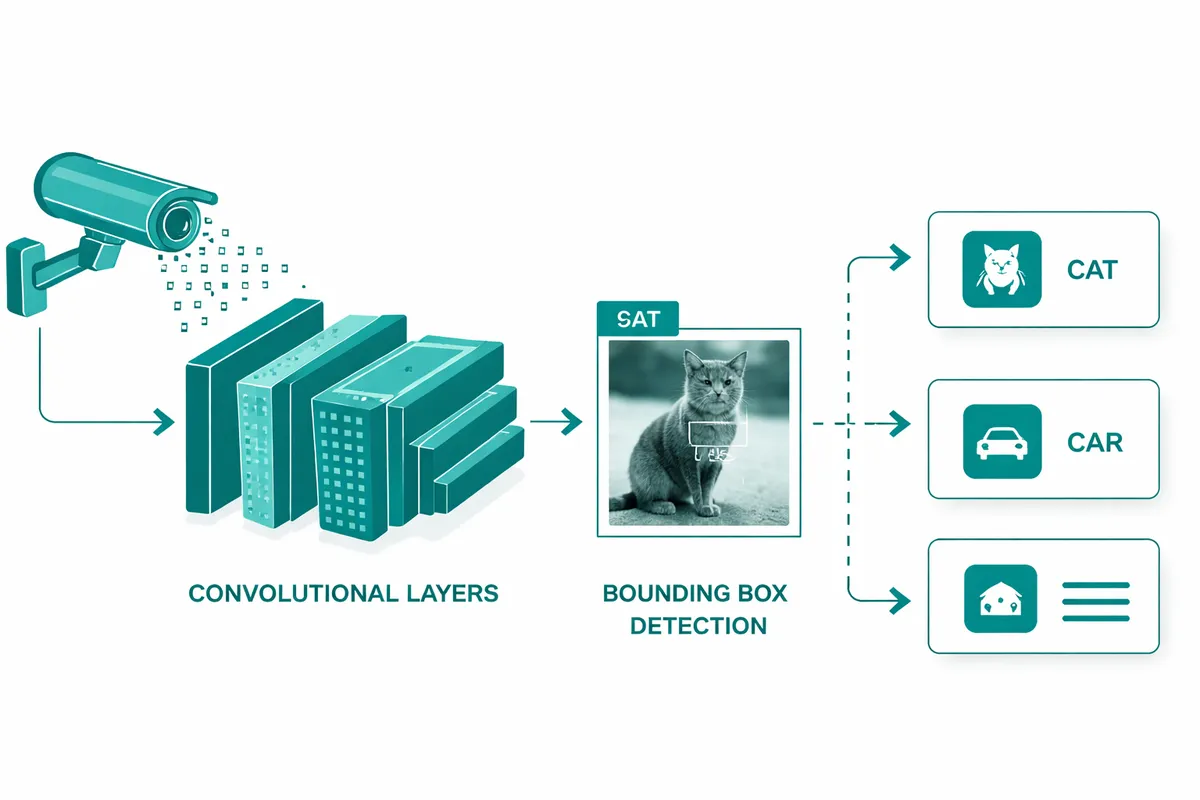
We build and train detection models. For quality inspection, we collect examples of good and defective items from your production, label them, and train a detection model to your specific defect categories. Training on your actual products with your actual defect types is critical: a generic defect detection model does not know what a defect looks like for your specific product and materials.
We deploy, validate, and refine. Initial deployment runs alongside your existing inspection process so we can compare computer vision detections against human inspector findings and tune the model's accuracy before the system operates independently.
Industries We Serve in Ravenswood
Light manufacturers and artisan producers on the Ravenswood industrial corridor use computer vision for end-of-line quality inspection, defect detection on finished products, dimensional measurement verification, and production rate monitoring. The system catches defects that would otherwise reach customers and provides production visibility that manual tracking cannot match.
Breweries and craft beverage producers along Ravenswood Avenue use computer vision for fill level inspection, label placement verification, cap sealing inspection, and packaging integrity checking. Visual inspection at the packaging line ensures that every bottle leaving the brewery meets quality standards before it reaches distributors and retail accounts.
Specialty food producers and roasters use computer vision for product consistency inspection, packaging completeness verification, and visual grading of raw ingredients. For coffee roasters, visual inspection of roasted bean color and uniformity supports quality consistency across batches.
Design studios and printing operations off Damen Avenue use computer vision for print quality inspection, color accuracy verification, and output consistency checking. Automated visual quality control catches printing defects before they are bound into finished pieces or shipped to clients.
Retail and boutique operators on Lawrence Avenue use computer vision for customer traffic pattern analysis, shelf and display occupancy monitoring, and loss prevention applications. Operational intelligence from camera data informs staffing, merchandising, and layout decisions without requiring dedicated staff observation time.
Yoga studios and fitness businesses near Welles Park use computer vision for space occupancy monitoring and class capacity management. Automated occupancy tracking replaces manual head counts and enables real-time capacity availability information for members checking before they arrive.
What to Expect Working With Us
1. Visual requirements assessment. We document what you need the computer vision system to see and analyze. For quality inspection, we review your defect categories, inspection standards, and production flow. For monitoring applications, we map the operational questions you want visual data to answer.
2. Camera infrastructure design and installation guidance. We design the camera placement and lighting configuration required to capture reliable visual data for your application. We specify hardware requirements and provide installation guidance for your facilities team or a preferred contractor.
3. Model training and accuracy validation. We collect training examples from your production, train detection models on your specific products and defect types, and validate accuracy against held-out examples before deployment. We establish accuracy benchmarks and refine the model until it meets your standards.
4. Deployment, monitoring, and ongoing refinement. We deploy the system alongside your existing process initially to validate real-world accuracy before independent operation. We establish monitoring and alerting for system health and provide ongoing refinement as your products, materials, or quality standards evolve.