How We Build Autonomous Workflow Agents for Ravenswood
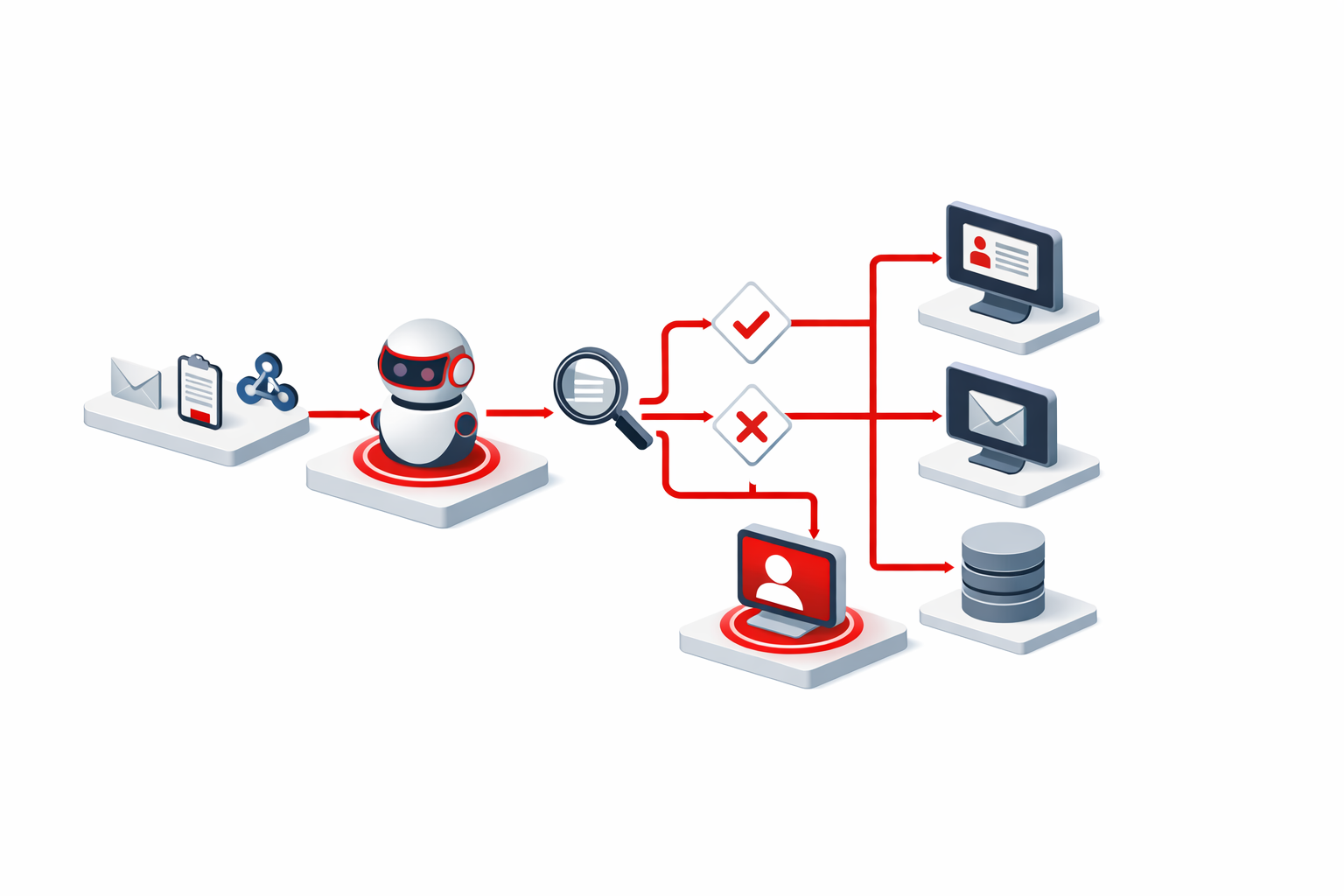
Autonomous workflow agent development starts with a process map: we identify the multi-step coordination workflows the business runs repeatedly, the trigger that initiates each workflow, the sequence of steps the workflow executes, and the decision points within the workflow that require a rule or a human judgment call. For a Ravenswood craft brewery, common workflow candidates include the new release communication sequence, the event booking and promotion workflow, the lapsed member re-engagement sequence, and the distribution account onboarding workflow.
For each identified workflow, we design the agent behavior: the trigger condition, the step sequence, the decision rules at branch points, the human escalation criteria for situations the agent cannot resolve independently, and the monitoring and logging that allows the workflow to be tracked and reviewed. Each agent is tested against real workflow scenarios before being enabled for live operation.
Workflow agents are built on the appropriate automation infrastructure for the business's technology environment, connected to the existing tools the business already uses rather than requiring a new platform. Integration with the brewery's email system, website CMS, POS, and social scheduling tools means the agent operates within the existing workflow rather than creating a parallel system the team must maintain separately.
Industries We Serve in Ravenswood
Craft breweries along Ravenswood Avenue near Begyle and Empirical automate release communication sequences, event booking and promotion workflows, membership onboarding and re-engagement sequences, and distribution account management workflows. A new release agent that executes the full communication sequence from a single confirmed release trigger saves three to four hours of coordination work per release cycle.
Design studios and creative agencies near Lawrence Avenue and Montrose Avenue automate project delivery workflows, new client intake sequences, billing and invoicing workflows, and new business inquiry follow-up sequences. A project delivery agent that triggers client feedback, final invoicing, and portfolio system updates eliminates the coordination overhead at project close.
Fitness studios and wellness businesses near Welles Park and along Ashland Avenue automate new member onboarding, class reminder and confirmation workflows, membership renewal sequences, and lapsed member re-engagement workflows. A new member agent that handles the entire onboarding sequence, from welcome through orientation booking to first class integration, ensures no new member falls through the coordination gap.
Specialty retailers and artisan producers on Damen Avenue and Ravenswood Avenue automate new product launch communication sequences, low-inventory reorder workflows, wholesale account onboarding, and seasonal collection announcement sequences. A product launch agent that coordinates website update, email announcement, and social content reduces the manual coordination work of each launch.
Restaurants and food businesses in the Ravenswood and North Center corridor automate private event booking workflows, seasonal menu announcement sequences, reservation confirmation and reminder workflows, and post-visit follow-up communications. A private event booking agent that handles the inquiry capture, availability check, deposit request, and confirmation communication reduces the administrative load of event sales.
Architecture and professional services firms in Ravenswood automate proposal delivery and follow-up workflows, project milestone communication sequences, invoice generation and follow-up workflows, and new client intake sequences. A proposal delivery agent that schedules follow-up contacts at defined intervals after delivery ensures no proposal is forgotten.
What to Expect Working With Us
1. Process mapping and workflow identification. We map the business's multi-step coordination workflows and identify the highest-value candidates for agent automation, based on frequency, coordination complexity, and current manual effort.
2. Agent design and rule development. We design each agent workflow, including the trigger conditions, step sequence, decision rules, and human escalation criteria, before building anything.
3. Build, test, and deployment. We build the agent workflows, test them against real business scenarios, and deploy them to live operation with monitoring in place.
4. Monitoring and refinement. We monitor agent performance after deployment and refine workflow logic based on real operation patterns, adding new agent workflows as the business identifies additional automation opportunities.