How We Build AI Sales Intelligence for Ravenswood
Sales intelligence work starts with a data assessment: we identify the records the business holds about its sales history, the current pipeline, and the prospect interactions that eventually led to closed business. For most Ravenswood businesses, this data lives across a CRM tool, email history, and manual records that have never been systematically analyzed.
From the data, we build a sales model that reflects the business's actual sales patterns: the typical time from first contact to close, the signals that predict conversion, the prospect behaviors that indicate disengagement, and the revenue velocity across different account or client types. For a design studio, this means analyzing which proposal formats, scope types, and client industries convert at the highest rate. For a brewery, this means analyzing which distribution accounts grow fastest and which stall after the first order.
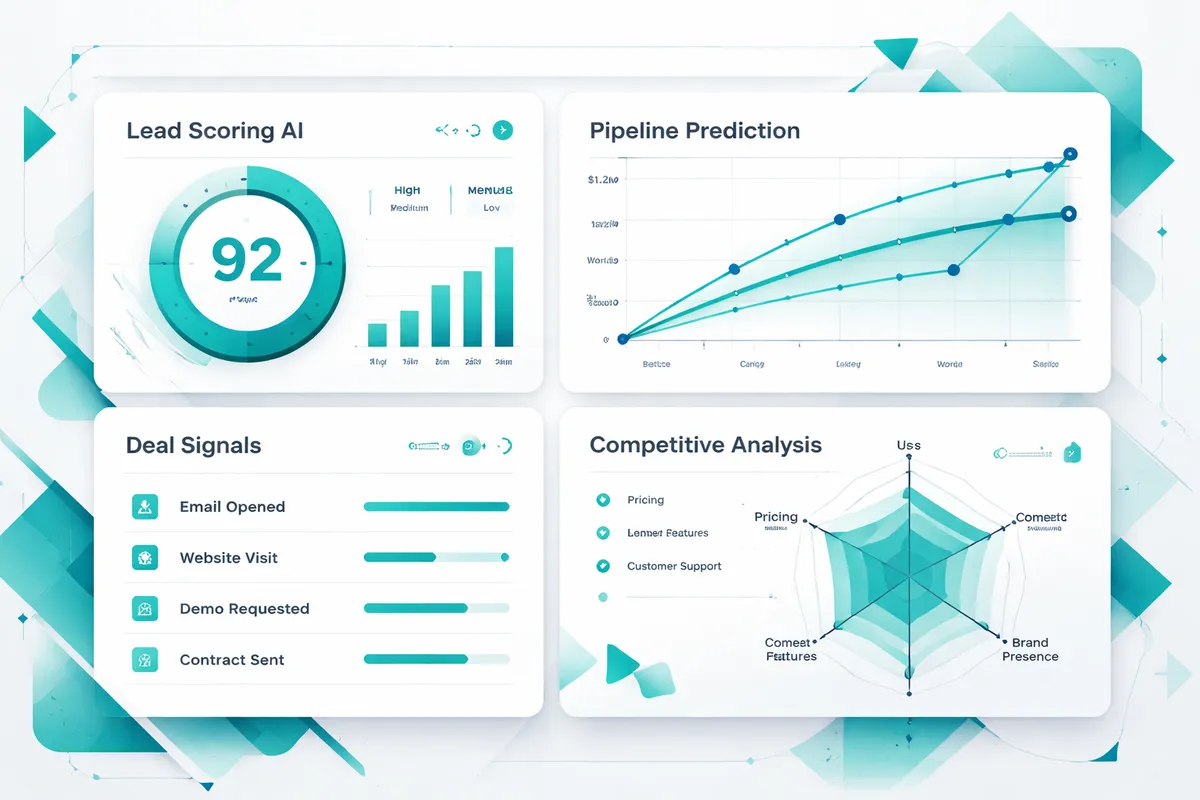
We deploy the model as a working sales intelligence layer: a dashboard that shows pipeline status, flags opportunities that need attention, surfaces the current quarter's revenue forecast from the pipeline, and identifies the highest-probability opportunities for focused selling effort.
For businesses along Lawrence Avenue and Ravenswood Avenue that sell to both local and regional accounts, sales intelligence that distinguishes the behavior patterns of local neighborhood accounts from regional or national accounts provides a segmentation the business has likely never formally articulated. A specialty retailer whose wholesale accounts include local boutiques within a few miles of Damen Avenue and national gift shop buyers from across the country manages two very different sales relationships that convert on different timelines, respond to different outreach approaches, and represent different revenue stability profiles. Sales intelligence that models these segments separately produces more accurate forecasts and more targeted outreach priorities than a single undifferentiated pipeline view.
Industries We Serve in Ravenswood
Craft breweries along Ravenswood Avenue near Begyle and Empirical building distribution account networks need pipeline intelligence that tracks which accounts are developing, which have stalled, and where the next revenue increment in the distribution channel is most likely to come from. Sales intelligence for taproom membership programs tracks member acquisition and identifies the prospect behaviors that predict conversion from trial to membership.
Design studios and creative agencies near Lawrence Avenue and Montrose Avenue managing portfolios of active proposals and ongoing client relationships need pipeline visibility that prevents opportunities from going cold and surfaces the behavioral signals that predict a close. Revenue forecasting from the active pipeline enables confident capacity planning.
Specialty retailers and artisan producers on Damen Avenue building wholesale account relationships need account development tracking that identifies which buyers are deepening their relationship and which are at risk of reducing orders. Sales intelligence for e-commerce channels tracks customer purchase patterns and identifies the buyer behaviors that predict repeat purchase versus one-time purchase.
Fitness studios and wellness businesses near Welles Park with membership sales pipelines need conversion intelligence that identifies which lead sources and communication sequences produce the most members and which prospects are likely to convert versus disengage.
Architecture and professional services firms in Ravenswood managing multiple proposal stages simultaneously need pipeline intelligence that tracks proposal timing, flags proposals approaching decision dates, and surfaces the project characteristics that predict a win versus a loss. Revenue forecasting from the proposal pipeline enables staffing and capacity decisions.
Restaurants and food businesses in the Ravenswood and North Center corridor with private event sales pipelines need conversion tracking that identifies which event inquiry sources produce the most bookings and which inquiry types have the highest close rates.
What to Expect Working With Us
1. Data assessment and sales model design. We review the business's historical sales data, identify the patterns that predict conversion, and design the intelligence model before building anything.
2. Model development and pipeline setup. We build the sales model, configure the pipeline dashboard, and integrate with existing CRM or tracking tools.
3. Launch and team training. We launch the sales intelligence system and train the team on using the pipeline view and forecasting tools in daily sales activity.
4. Ongoing refinement. We refine the model as more data accumulates, improving forecast accuracy and updating conversion signals as the business's sales patterns evolve.