How We Build Predictive Analytics in Pilsen
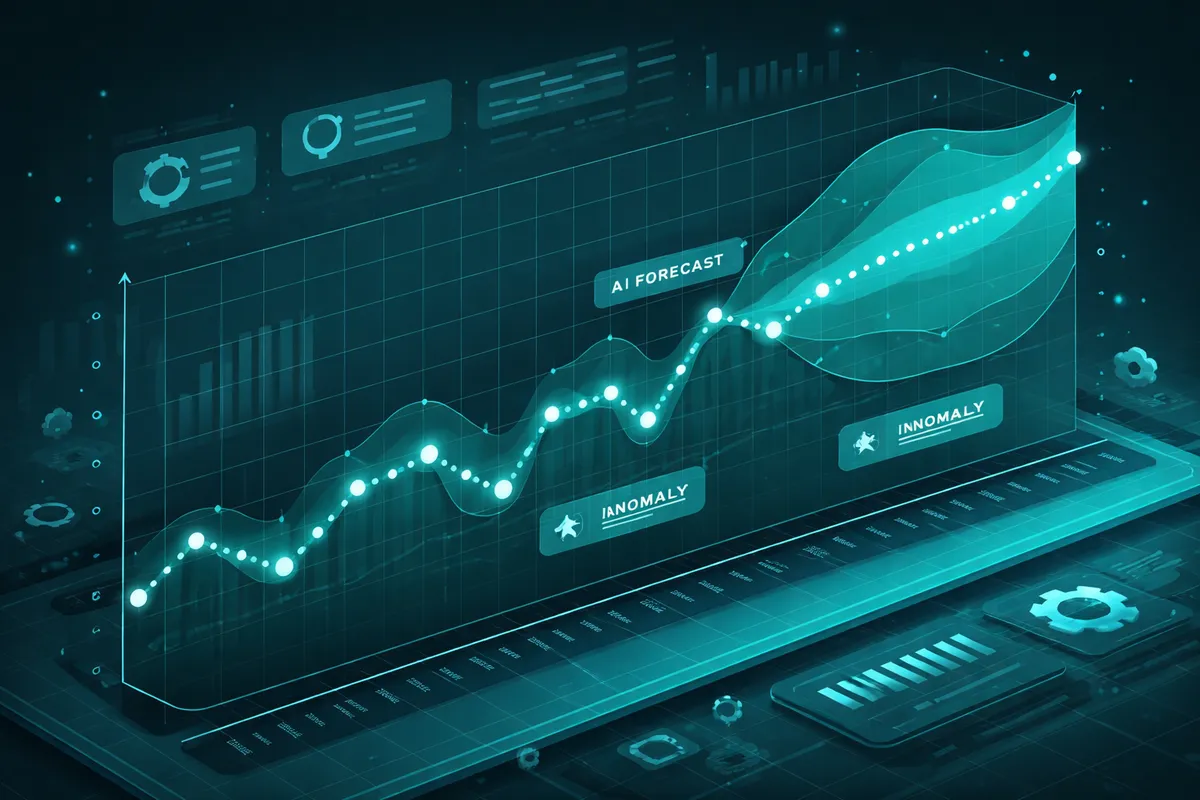
We connect to your POS, reservation system, or sales records and combine your data with Pilsen-specific external signals: the cultural event calendar including Dia de los Muertos, Fiesta del Sol, Posadas, and Three Kings Day. We add Second Fridays art walk schedules, weather forecasts, and seasonal patterns. Then we build forecasting models calibrated to your business. For restaurants on 18th Street, we forecast daily covers and popular menu item demand with event-day adjustments. For retail shops near Ashland Avenue, we predict product demand by category with cultural holiday awareness. For galleries near the National Museum of Mexican Art and Halsted, we forecast exhibition attendance and purchasing activity based on artist reputation, subject matter, and marketing engagement metrics.
The integration and training process takes three to five weeks. We validate predictions against past Dia de los Muertos seasons, Second Friday peaks, and summer festivals before going live. When the model accurately calls the historical peaks and valleys in your data, it is ready to call the future ones.
Industries We Serve in Pilsen
Restaurants and food businesses along 18th Street use predictive analytics to forecast demand around cultural events and seasonal patterns with enough lead time to adjust purchasing, prep, and staffing. A taqueria near Damen and 18th reduced food waste by 22% in its first quarter using demand models that incorporated the cultural event calendar alongside weather and day-of-week patterns. The model learned that a warm-weather Second Friday drives 40% more dinner covers than a cold one, and that Dia de los Muertos weekend demand varies year-to-year based on which day of the week November 2nd falls on.
Art galleries near Halsted Street predict exhibition attendance and sales potential based on artist reputation, subject matter, marketing email engagement, and historical attendance at comparable shows. One gallery improved its opening night preparation by using predicted attendance ranges instead of flat estimates. When the model predicted a high-traffic opening, the gallery increased staffing, prepared more refreshments, and allocated additional programming. Both the high-traffic and quieter scenarios produced better visitor experiences because preparations matched the actual audience size.
Retail shops and markets on 18th Street forecast seasonal product demand for culturally significant merchandise. A gift shop near 18th and Paulina used predictive models to order Dia de los Muertos inventory three weeks earlier than its usual timeline, predicting specific demand by product category based on previous years' sales data plus social media trend signals. The shop sold through 95% of its seasonal inventory compared to 70% the prior year.
What to Expect Working With Us
1. Cultural calendar integration. Pilsen deployments begin by loading the full cultural event calendar for the coming 12 months: Dia de los Muertos, Second Fridays, Fiesta del Sol, Las Posadas, Three Kings Day, and any neighborhood-specific events relevant to your business. This calendar is the foundation of the Pilsen demand model.
2. Historical event analysis. We analyze how your business has responded to each cultural event in the past, quantifying the demand multiplier for each event type and adjusting for year-to-year variation factors like day of week and weather.
3. Model launch and event alerts. Once live, the model generates event-specific demand forecasts four to six weeks before each major cultural event. You receive alerts with recommended purchasing quantities, suggested prep levels, and staffing recommendations.
4. Gallery and retail adaptation. For galleries, we build attendance prediction models specific to each upcoming exhibition. For retailers, we build seasonal inventory forecasts with cultural holiday awareness built in. Both update as the event date approaches and new signals arrive.