How We Build NLP Solutions in Pilsen
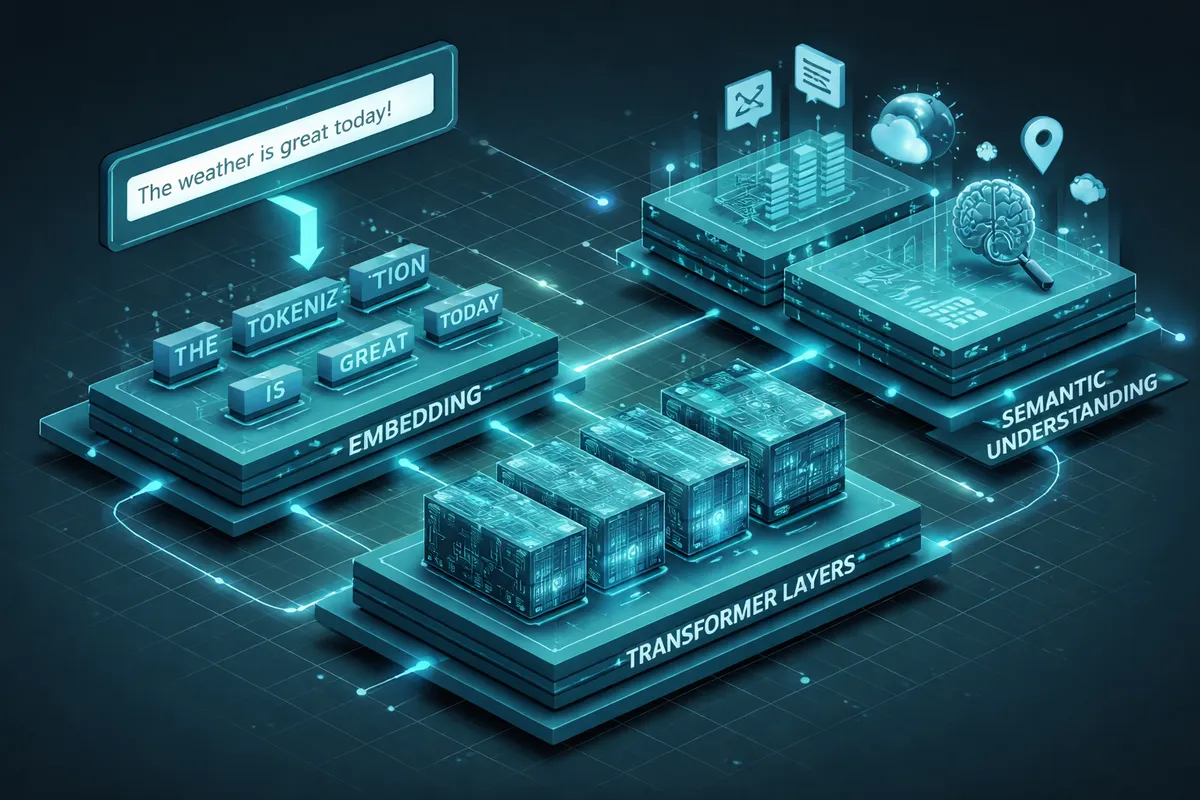
We connect your review platforms, social media accounts, and customer communication channels to a bilingual NLP engine that processes text in real time. The system classifies incoming text by language, topic, sentiment, and urgency, then delivers insights through dashboards and automated alerts. For restaurants on 18th Street, we monitor review sentiment across Google, Yelp, TripAdvisor, Instagram, and Facebook in both languages, highlighting differences between what Spanish-speaking and English-speaking customers say about the same experience. For galleries near the National Museum of Mexican Art and along Halsted Street, we track social media mentions, exhibition feedback, and community discussions with topic categories calibrated to arts vocabulary. For retail shops on Blue Island Avenue and throughout the 18th Street commercial corridor, we analyze product mentions, customer feedback, and brand sentiment across platforms in both languages, with alerts configured for the feedback dimensions that most affect your day-to-day operations.
We also run NLP over your existing review and feedback history during setup, providing immediate insight from what your community has already said before the real-time system has accumulated any new data. For businesses that have been serving Pilsen for years, that historical data often reveals patterns that have been quietly shaping customer behavior without anyone having the time or tools to surface them.
Industries We Serve in Pilsen
Restaurants along 18th Street use NLP to monitor bilingual reviews at scale and discover sentiment patterns invisible to manual reading. A taqueria near Damen and 18th can discover through NLP analysis that its Spanish-language reviews consistently praise food quality but mention slow service during weekend evenings, while English-language reviews praise the atmosphere but mention limited vegetarian options. These are two different improvement opportunities for two different customer segments that require two different operational responses. Without NLP, both patterns might be hidden in the aggregate star rating and the noise of unread text. With NLP, both are visible and actionable within days of the feedback arriving.
Art galleries near Halsted Street and the National Museum of Mexican Art analyze social media mentions, exhibition reviews, and community feedback to understand which shows, artists, and events resonate most strongly with which audiences. NLP reveals which exhibition themes generate the most sharing and conversation versus passive attendance, informing future curation and marketing decisions with evidence rather than curatorial assumption. The system also tracks how different community segments discuss cultural representation, neighborhood authenticity, and the gallery's role in Pilsen's artistic ecosystem, providing qualitative intelligence that goes beyond standard sentiment scoring.
Retail businesses on 18th Street and Blue Island Avenue track product feedback and customer sentiment across platforms to identify what customers love and what needs improvement. NLP surfaces recurring product complaints, popular feature requests, and brand perception trends that manual review monitoring would take hours to find and would likely still miss at the pattern level. For artisan shops and cultural retailers that serve both the neighborhood community and visitors from across the city, NLP also helps distinguish the feedback from each audience so that product and merchandising decisions serve both without being diluted by the attempt to address both simultaneously.
What to Expect Working With Us
1. Discovery and bilingual channel audit. We start by mapping every platform and channel where your Pilsen business currently receives feedback, documenting the English-Spanish distribution and identifying the platform preferences that differ between your community's language groups. The setup reflects your actual customer base, not a generic assumption about bilingual feedback.
2. Cultural calibration and topic design. For gallery and arts clients, we build topic categories that reflect arts vocabulary, cultural representation, and community belonging alongside standard service sentiment. For restaurants and retail, we configure topic categories around food quality, cultural authenticity, and service dimensions specific to 18th Street's community context.
3. Integration and historical baseline. We connect live channels and run NLP over your existing review and feedback history in both languages. Immediate historical insights are delivered before the real-time system begins, often revealing patterns that have been present for months but invisible without systematic automated analysis.
4. Dashboard delivery and segment-specific reporting. We deliver dashboards that surface English and Spanish sentiment side by side so you can see how the two communities experience your business differently. Automated alerts flag urgent issues in either language. Weekly digest reports cover both audiences so no segment's feedback goes unreviewed for longer than a week.