How We Build Multi-Agent Systems for Pilsen Businesses
System design starts with a deep operational analysis. We map the workflows where coordination failures are most costly: where information gets stuck, where human time is consumed by work that follows predictable rules, and where the sequence of actions required to complete a task is consistent enough that automation is reliable. Multi-agent systems are valuable where there are multiple steps, multiple systems, and predictable logic. They are not the right tool for situations that genuinely require human judgment on every decision.
Agent architecture design specifies each agent's responsibility, the information it works with, the decisions it makes autonomously, and the conditions under which it escalates to a human. A well-designed multi-agent system has clear boundaries between what the agents handle and what requires human intervention. Those boundaries are not static: over time, as the system demonstrates reliable performance in its initial scope, boundaries can expand to cover more of the coordination work.
Integration design connects the agent system to the specific software your business runs: ERP, inventory management, CRM, scheduling, and communication tools. Agents need access to the data in these systems to make decisions and to act on those decisions. We design integrations that give agents the access they need while maintaining appropriate security controls and audit trails.
Testing for multi-agent systems requires scenarios that simulate the full range of operational situations the system will encounter, including edge cases and error conditions. Agents that behave correctly in the normal case but fail unpredictably in exceptions create more problems than they solve. We build test suites that cover the exception scenarios your specific operation produces.
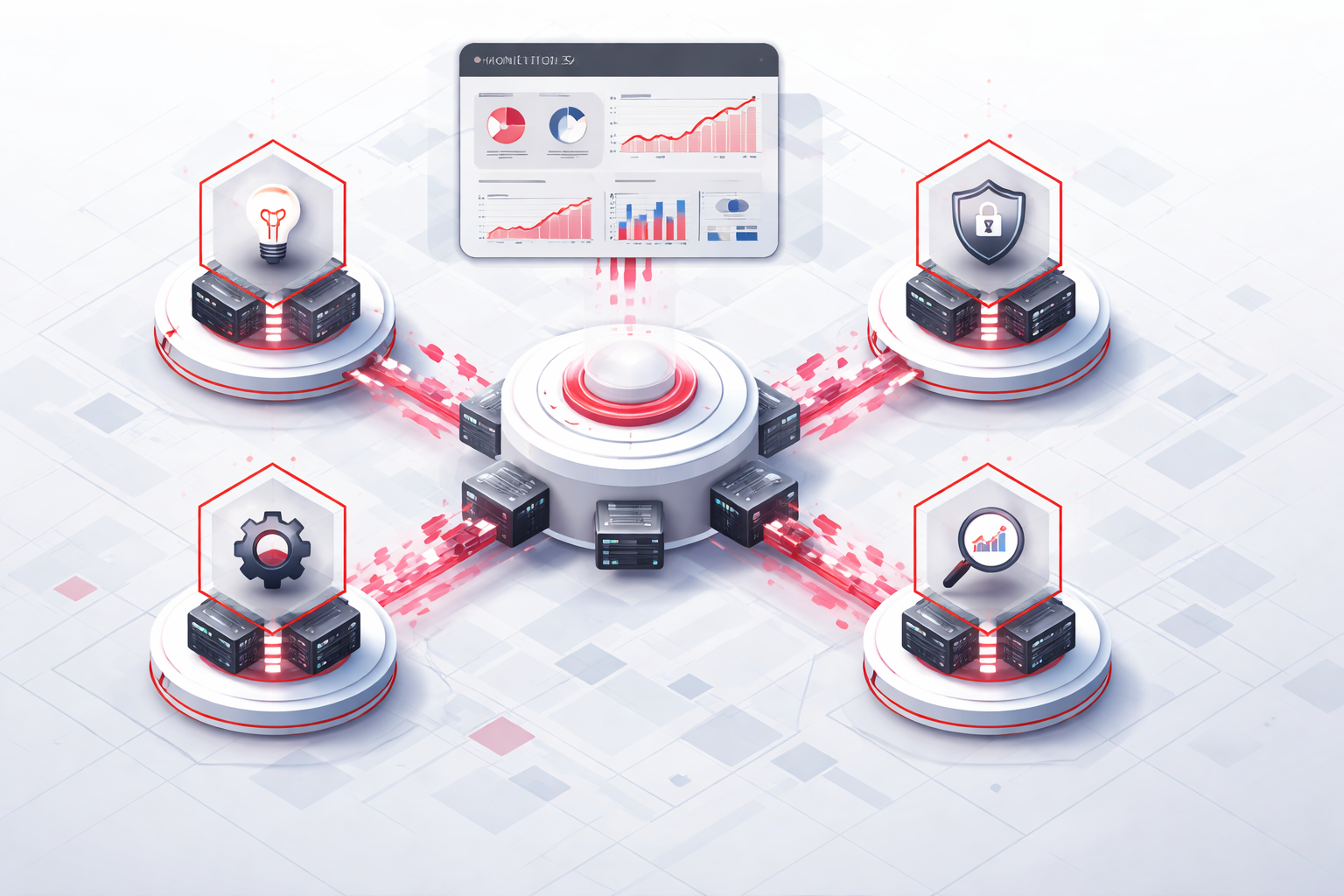
Monitoring and oversight infrastructure is essential. Operators need visibility into what the agents are doing, what decisions they are making, and where they are encountering situations they cannot resolve. We build dashboards and alerting into every multi-agent system so the humans responsible for the operation always have a clear picture of system status.
Industries We Serve in Pilsen
Small manufacturers and fabrication shops along Ashland and Racine use multi-agent systems to coordinate production scheduling with inventory, automate supplier communication when materials need reordering, track job status and update customer-facing systems, and aggregate job cost data for billing and profitability analysis.
Food distribution and wholesale businesses use multi-agent systems to manage order routing, inventory monitoring with automatic reorder triggers, supplier communication, delivery status tracking, and customer notification when order status changes require customer action.
Community organizations and nonprofits use multi-agent systems to handle program enrollment processing, reminder communications to participants and volunteers, compliance reporting aggregation across multiple programs, and coordination between staff working at different sites.
Restaurants and food service businesses are beginning to explore multi-agent applications for reservation and waitlist management, supplier order coordination, inventory monitoring and reorder automation, and customer communication for catering and event inquiries.
Small distributors and logistics businesses serving Pilsen and surrounding Southwest Side neighborhoods use multi-agent systems to automate the routing, tracking, and customer communication workflows that would otherwise require dedicated coordination staff.
What to Expect
Operational analysis and use case definition. We spend the first two to three weeks mapping your operations to identify the highest-impact automation opportunities. We produce a use case specification that defines exactly what each agent will do, what systems it will access, and what escalation conditions it will observe.
Architecture design and approval. We design the full agent architecture and integration requirements. You review and approve this design before development begins. Changes in scope after architecture approval affect timeline and cost, so we invest significant effort in getting the architecture right at this stage.
Build and testing. We build agent systems in phases, testing each agent individually and then testing agent-to-agent coordination. Edge case and error condition testing is built into the development schedule rather than treated as an afterthought.
Monitoring setup and handoff. We build monitoring dashboards and alerting, train your team on interpreting system status and responding to escalations, and document the system thoroughly for ongoing operational reference.