How We Build Legacy System Integrations for Pilsen Businesses
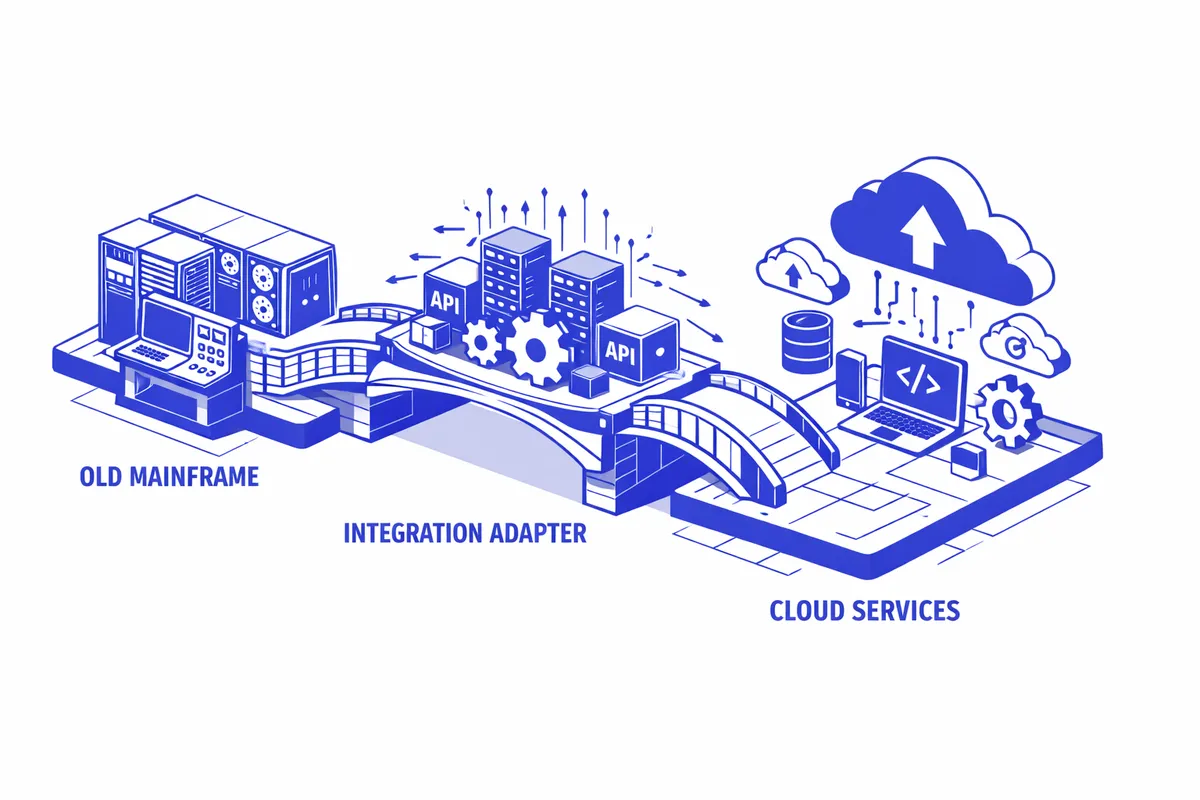
The first step is understanding the technical constraints of the legacy system. Some older systems have limited export capabilities: they can produce flat files in specific formats on a schedule, but nothing more. Others have direct database access that enables more flexible data extraction. A small number of older systems have SOAP or early REST APIs that provide structured access. We assess the actual capabilities of your specific system before designing an integration approach, because the integration architecture that works for a system with direct database access is entirely different from one that relies on scheduled file exports.
Data extraction design addresses the questions of what data to move, when to move it, and how to handle data quality issues that have accumulated over years of manual entry. Legacy systems often contain duplicate records, inconsistent formatting, and entries that were reasonable workarounds for the system's limitations but that do not translate cleanly into modern platforms. We design extraction logic that handles these issues systematically rather than producing a raw dump that requires extensive manual cleanup in the destination system.
Transformation rules define how data maps from the legacy system's structure to the modern platform's expectations. A customer record in a 2005 CRM database may have fields, naming conventions, and relationship structures that bear little resemblance to the same concept in a modern CRM. We build transformation logic that makes the data meaningful and correctly structured in the destination system rather than just technically present.
Delivery mechanisms range from real-time API calls for systems that support them to scheduled file-based transfers for older systems that do not. We design the delivery approach based on how current the destination system needs the data to be and what the legacy system can reliably support.
Error handling is built into every integration we design for legacy systems, because older systems produce edge cases and data anomalies that modern systems are not designed to accommodate. We build error detection, logging, and alerting into every integration so that data quality problems are caught and addressed rather than silently corrupting the destination system.
Industries We Serve in Pilsen
Small manufacturers and fabrication shops near Ashland, Damen, and the neighborhood's industrial corridors often run on legacy job costing, production management, or accounting software that cannot connect to modern CRM, e-commerce, or reporting tools. We build integrations that extract production and customer data from these legacy systems and route it to the modern platforms the business needs for customer management, financial reporting, or business intelligence.
Family-owned restaurants and food businesses on 18th Street running on older POS systems need customer and transaction data connected to modern loyalty platforms, accounting software, and marketing tools without replacing a POS system that is deeply embedded in how the kitchen and front-of-house operate.
Nonprofit and community organizations managing programs through older database systems need donor data, program records, and financial information connected to modern grant management, fundraising, and communication platforms without losing the historical records that represent years of organizational memory.
Retail businesses running on legacy retail management or POS software need product and customer data connected to modern e-commerce platforms, inventory management systems, and marketing automation tools that their older system cannot natively support.
Professional service businesses in Pilsen managing client relationships through older practice management software need case, client, or project data accessible in modern reporting and communication tools without abandoning systems that billing and compliance workflows depend on.
What to Expect
Legacy system assessment. We begin by thoroughly documenting the technical capabilities of your existing system: what data it contains, what export or API capabilities it offers, and what constraints the integration architecture must work within. This assessment is the foundation of every subsequent decision.
Integration architecture design. We design the full integration specification: what data moves, when it moves, how it transforms, where it goes, and how errors are handled. You review and approve this design before development begins.
Build and testing. We build the integration according to the approved design and conduct extensive testing that covers normal operations and the edge cases and data quality issues that legacy systems predictably produce.
Monitoring and maintenance. Legacy system integrations require ongoing monitoring because legacy systems change less predictably than modern platforms. We provide monitoring and response support so that disruptions caused by legacy system updates or data anomalies are caught and addressed quickly.