How We Build ERP Integrations for Pilsen Businesses
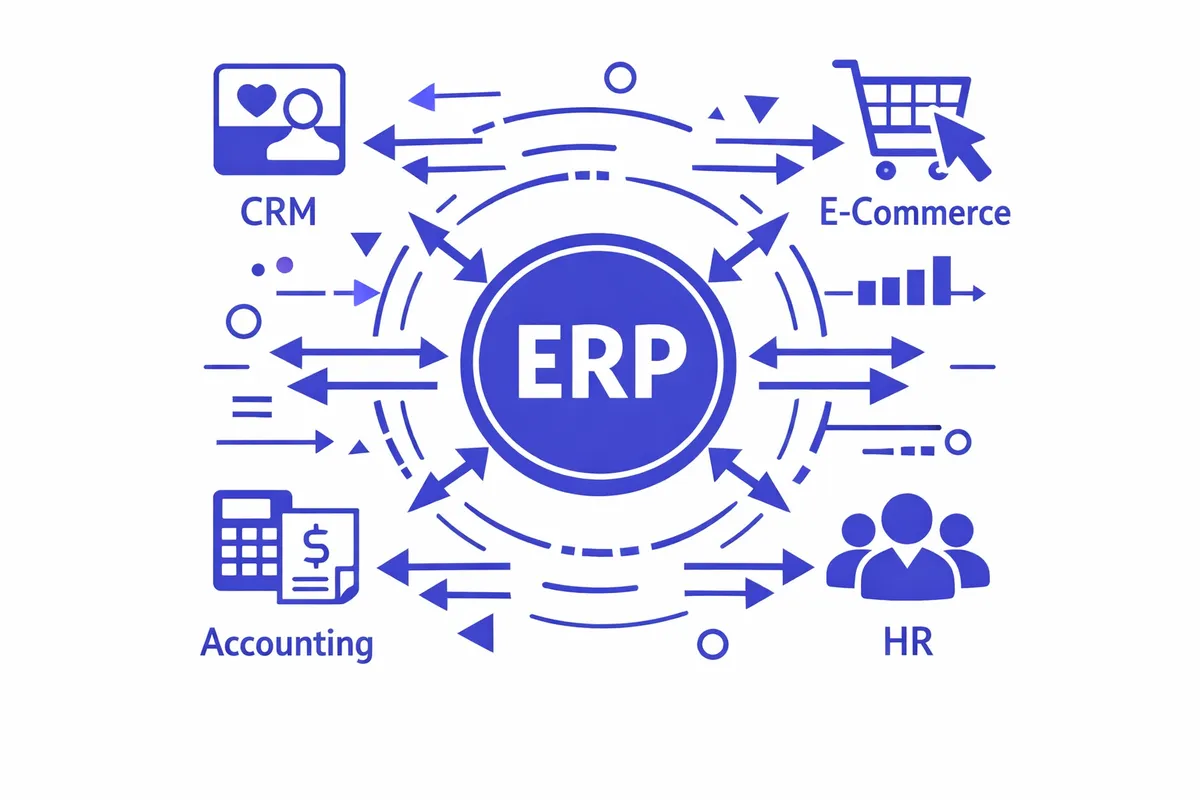
Our process begins with a thorough audit of your current systems and data flows. We map every place where information currently moves between systems: what triggers the movement, what data is involved, where manual steps introduce errors or delays, and what the downstream effects of those errors are. For many Pilsen businesses, this audit surfaces integration needs that the business did not fully recognize because the manual workarounds had become normalized.
We then design the integration architecture that addresses those flows. For most small and mid-sized businesses, this means defining the data objects that need to sync, the direction and frequency of synchronization, the transformation rules that handle differences in how each system represents the same data, and the error handling logic that catches mismatches before they corrupt records in either system.
Technical implementation varies by platform. Modern ERP systems like NetSuite and Dynamics expose robust REST APIs that enable real-time integration with minimal complexity. Older systems like Sage 100 or QuickBooks Enterprise may require different approaches: file-based integration, direct database connections with appropriate read-only access, or middleware layers that translate between old and new system structures. We have built integrations for all of these scenarios and select the technical approach based on what the specific systems support reliably.
For Pilsen businesses with legacy manufacturing or production management software that predates modern API standards, we have particular experience extracting data reliably from older systems without disrupting ongoing operations. Many small manufacturers have run on the same ERP for fifteen or twenty years and are not in a position to replace it. The integration approach we design works with the system they have.
Testing and validation before go-live is non-negotiable. We run parallel processing during a testing period where both manual and automated data flows operate simultaneously, and we verify that integrated data matches expectations before shutting down the manual process. This protects your operation from the data quality problems that come with a rushed cutover.
Industries We Serve in Pilsen
Food production and distribution businesses serving Chicago's restaurant industry and the neighborhood's own vibrant food retail corridor need ERP connected to inventory, production planning, and order management so that stock levels, production schedules, and customer orders stay synchronized without daily manual reconciliation.
Fabrication and manufacturing shops in the Chicago Arts District and along the neighborhood's industrial corridors use ERP integration to connect production job management to materials inventory, job costing to accounting, and customer orders to production scheduling. Accurate job cost data, produced automatically rather than reconstructed from spreadsheets, makes pricing decisions more reliable and profitability more visible.
Small distributors and wholesalers supplying Chicago-area retailers need ERP connected to order management, warehouse operations, and customer billing so that the full order-to-cash cycle runs without manual handoffs. For businesses growing their customer base, integration is what allows volume to increase without a proportional increase in administrative headcount.
Nonprofit and social service organizations managing program budgets, grant reporting, and operational expenses across multiple sites use ERP integration to ensure that financial data flows accurately from program operations to accounting without requiring finance staff to manually compile information from multiple sources at reporting time.
Retail businesses with physical and online channels need ERP connected to their point-of-sale, e-commerce platform, and inventory management system so that stock levels reflect all sales channels in real time and financial reporting captures revenue accurately regardless of where the sale occurred.
What to Expect
Systems audit and integration design. We document your current systems, data flows, and manual processes during the first phase. We produce an integration design document that specifies every data object, synchronization rule, transformation requirement, and error handling behavior before development begins. You review and approve this design before any code is written.
Phased build and parallel testing. We build integrations in phases organized by priority. The highest-impact data flows go live first. During testing, we run integrations in parallel with existing manual processes to verify accuracy before the manual step is retired. This approach protects your data integrity during the transition.
Documentation and training. Every integration we build is documented so your team understands what it does, how to monitor it, and what to do when something requires attention. We train the team members responsible for data quality and operations monitoring on how to verify integration health and what to check when they see unexpected results.
Ongoing monitoring and support. Integrations require maintenance when either connected system updates its API or changes its data structure. We offer monitoring and support arrangements that catch those changes before they break your data flows and address them proactively.