How We Build Data Analytics and AI for Pilsen
Every data analytics project starts with question definition. What decisions are you trying to improve? What would you do differently if you had better information about a specific aspect of your business? Those questions define the analytical requirements and ensure we are building toward insight that changes decisions rather than dashboards that generate interesting statistics nobody acts on.
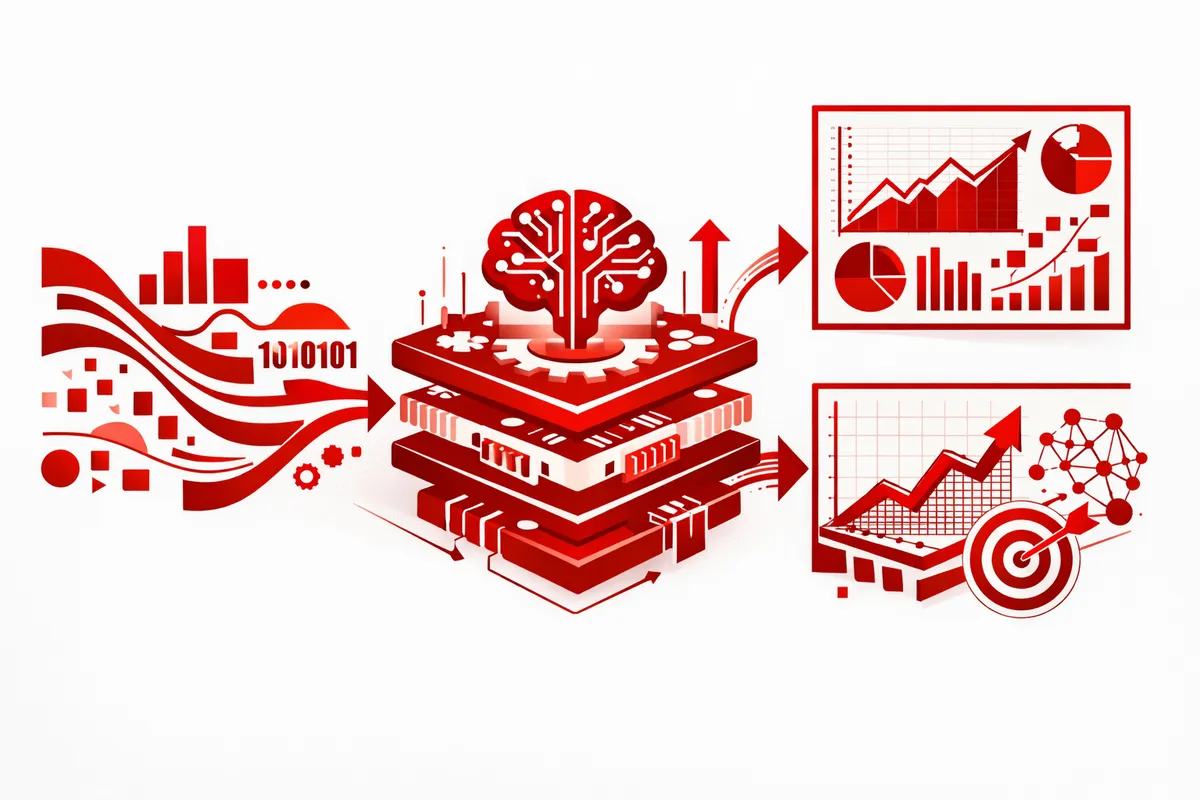
Data architecture design creates the unified data layer that combines information from your multiple operational systems. For a Pilsen restaurant, that might mean consolidating POS transaction data, reservation system data, delivery platform data, and payroll data into a single analytical database that supports cross-system analysis. The architecture design defines how each data source is structured, how they relate to each other, and how the combined data supports the analytical questions we are trying to answer.
Data pipelines move data from operational sources into the analytical layer on defined schedules. Daily transaction data extracted from Square, weekly visitor data pulled from the reservation platform, monthly customer survey results imported from the survey tool. Automated pipelines handle this data movement reliably without manual intervention.
Analytical modeling applies statistical and AI methods to extract insight from the consolidated data. Descriptive analytics reveals what happened: revenue by day, customer acquisition by channel, menu item performance by margin. Predictive analytics forecasts what is likely to happen: next week's traffic based on historical patterns and current reservations, inventory depletion timing based on current levels and sales velocity. Prescriptive analytics recommends what to do: optimal staffing levels by shift based on predicted traffic, ordering quantities by ingredient based on predicted demand.
AI model development builds the predictive and pattern-recognition capabilities that automate analytical work. A Pilsen restaurant's demand forecasting model learns from years of sales history and automatically generates weekly demand predictions. A gallery's collector behavior model identifies patterns in collector engagement that predict purchase likelihood. These models run automatically, improving as they accumulate more data.
Visualization and reporting builds the dashboards and automated reports that make analytical outputs accessible to decision-makers who are not data scientists. Clear, purposeful visualizations that answer specific business questions rather than complex dashboards that require data expertise to interpret.
Industries We Serve in Pilsen
Restaurants and food businesses on 18th Street and throughout Pilsen use data analytics and AI for demand forecasting, food cost optimization, customer behavior analysis, and the marketing attribution that shows which channels drive paying customers.
Galleries and arts organizations in the Chicago Arts District use data analytics to understand collector acquisition and retention patterns, exhibition performance trends, and the pricing and programming decisions that the data suggests would improve show outcomes.
Community organizations use data analytics to measure program impact, model cost-effectiveness across program approaches, and produce the evidence-based program evaluation that strengthens grant applications and funder relationships.
Service businesses throughout Pilsen use data analytics to analyze client profitability by type and project, model the customer acquisition cost by channel, and understand the service mix that produces the best margin outcomes.
Food producers and specialty manufacturers use data analytics for production planning, inventory optimization, and the demand forecasting that reduces both stockouts and overproduction.
What to Expect Working With Us
Question definition and data audit. We define the specific questions analytics needs to answer and audit the data sources available to answer them.
Architecture and pipeline design. We design the data architecture and build the pipelines that consolidate your data into an analytical environment.
Model development and validation. We build and validate the analytical models and AI systems that answer the defined questions, testing against historical data before deploying for forward-looking use.
Dashboard and reporting build. We build the visualizations and automated reporting that make analytical outputs accessible and actionable.
Training and ongoing support. We train your team on using the analytical tools and provide ongoing support as your questions evolve and your data infrastructure grows.