How We Build Computer Vision in Pilsen
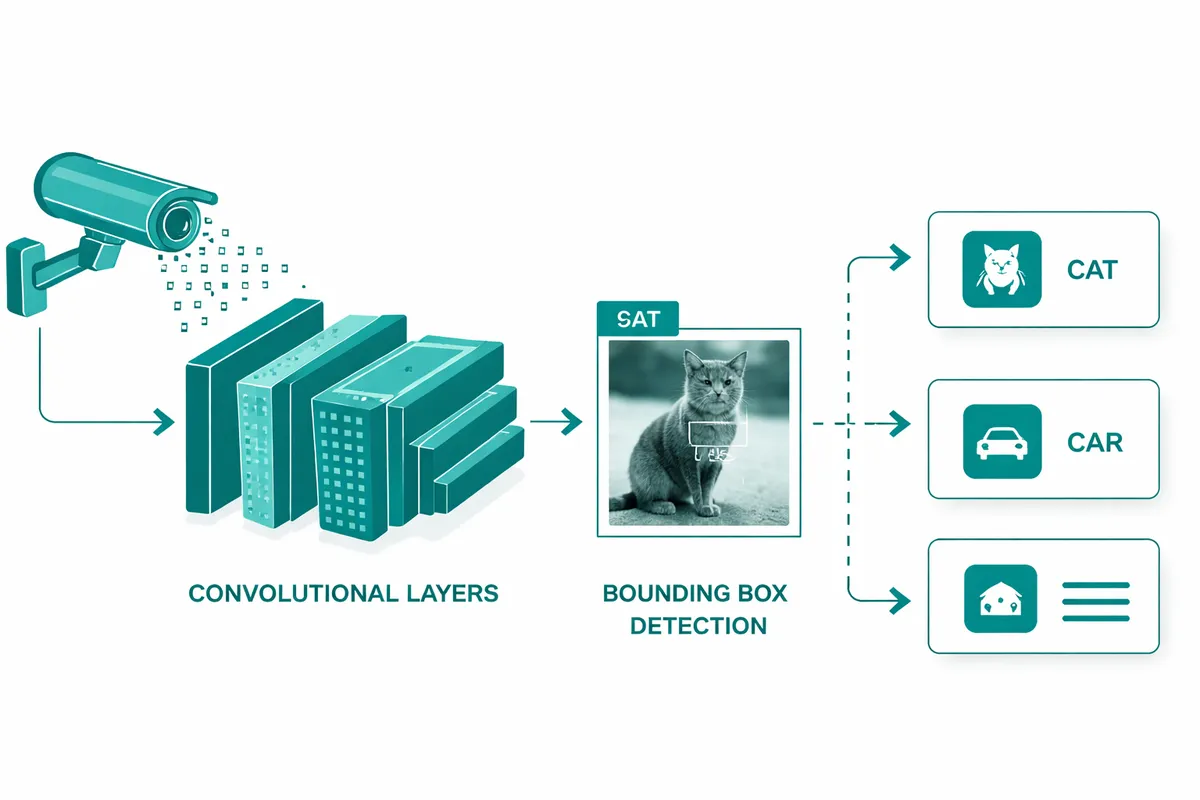
We identify the visual monitoring tasks that save you the most time or money, then deploy cameras and AI models customized for your environment. For bakeries and restaurants on 18th Street, we build display monitoring systems that track product levels, food presentation consistency, and customer flow during service hours. For retail shops near Blue Island Avenue and Ashland, we deploy shelf inventory monitoring that tracks stock levels visually and alerts staff when products need restocking. For art galleries near the National Museum of Mexican Art and along Halsted, we analyze visitor flow patterns through exhibition spaces to optimize layout, lighting, and piece placement for maximum engagement. Every model is trained on your specific products, space, and operating environment.
Industries We Serve in Pilsen
Restaurants and bakeries along 18th Street use computer vision for food presentation monitoring, customer flow analysis, and display case management. A panaderia near 18th and Ashland deployed case monitoring that tracks depletion rates for each product type. The system alerted staff to restock conchas two hours earlier than their previous routine, reducing the daily window of empty trays from three hours to 30 minutes. Display completeness during peak afternoon traffic increased revenue per visitor by an estimated 15 percent because customers who previously saw a half-empty case and kept walking now found a full, inviting selection.
Retail and grocery shops near Ashland Avenue and Blue Island Avenue deploy visual inventory monitoring that tracks shelf levels in real time. The system detects low stock by product section and sends restock alerts to staff devices, reducing the labor cost of manual walk-through inventory checks. A shop on 18th Street reduced stockout incidents by 40 percent in the first month and cut its daily inventory check time from 45 minutes to 10 minutes of targeted restocking based on camera alerts.
Art galleries near Halsted Street and the National Museum of Mexican Art use visitor flow analysis to understand how people move through exhibitions. Heatmap data shows which pieces attract the most attention, where visitors spend the most time, and which areas of the gallery get bypassed. One gallery repositioned three underperforming pieces based on flow data and saw a 25 percent increase in inquiry rates for those works within the following exhibition cycle. The data also revealed that a specific entrance configuration was causing visitors to miss an entire wing of the gallery during peak hours.
What to Expect Working With Us
1. Visual operations assessment: We visit your business, review your current monitoring practices, and identify the visual tasks consuming the most staff time or affecting revenue most directly. For bakeries, that is usually display management and demand forecasting. For galleries, it is visitor flow and exhibition layout. For retail shops, it is inventory monitoring.
2. Environment-specific model training: We train computer vision models on your actual products, displays, and space. The model for a Pilsen panaderia's display case is trained on your specific pan dulce varieties. The model for a Halsted gallery is trained on your specific exhibition layout and visitor movement patterns. Generic models are less accurate for the specific contexts these businesses represent.
3. Camera integration and alert configuration: We connect the system to your existing cameras, add new hardware only where needed, and configure alerts that are actionable and specific. A staff member receiving a "conchas low" alert knows exactly what to do. That specificity is what makes computer vision useful rather than just informative.
4. Monthly data review and optimization: We review visual analytics data with you monthly and identify the most actionable patterns. For galleries, that means reviewing visitor flow data before each new exhibition to inform layout decisions. For bakeries, it means reviewing demand data to improve baking quantity planning for peak periods.