How We Build AI Sales Intelligence in Pilsen
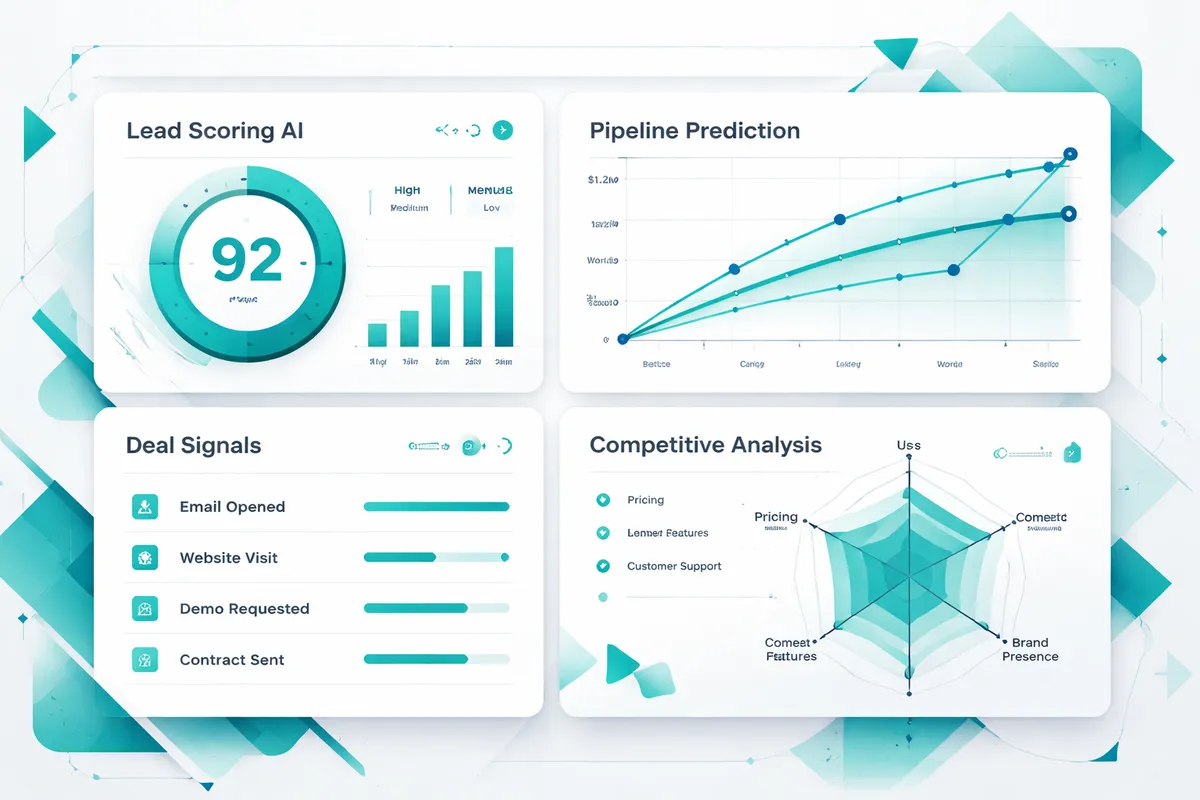
We connect your POS data, customer contacts, online ordering history, and digital engagement into a unified intelligence platform. The system scores each customer by current value, visit trend, and growth potential. For restaurants on 18th Street, it identifies catering prospects from order history, flags regulars whose visit frequency is declining, and segments customers by spending tier and ordering behavior. For galleries near Halsted Street and the National Museum of Mexican Art on 19th Street, it tracks collector engagement across exhibitions and predicts purchasing readiness based on attendance patterns, inquiry behavior, and marketing response. For retail shops on Blue Island Avenue, it analyzes seasonal purchasing patterns tied to the cultural calendar, museum traffic, and neighborhood events, then recommends promotional timing for each customer segment.
Industries We Serve in Pilsen
Restaurants and food businesses along 18th Street use sales intelligence to identify their most valuable customer relationships and the revenue opportunities those relationships create. A taqueria near Damen and 18th discovered that 8 percent of its customers generated 35 percent of total revenue when catering, large party orders, and regular visits were combined into a complete customer value picture. Targeted outreach to that top segment with exclusive holiday menus and early catering access increased per-customer spend by 22 percent over a single quarter. The system also flagged 40 lapsed regulars who had not visited in 60 days, and a simple re-engagement campaign brought 15 of them back within two weeks. The catering lead identification alone paid for the intelligence platform in its first month.
Art galleries near the National Museum of Mexican Art and the Halsted studio corridor track collector engagement across multiple exhibitions and events. The intelligence platform identifies which visitors are progressing from casual attendees to serious buyers based on attendance frequency, time spent at the gallery, inquiry patterns, and marketing email engagement over time. One Halsted Street gallery used collector scoring to prioritize private previews for its top prospects, resulting in 45 percent of exhibition sales closing during preview events before the public opening. The model identified which collectors were ready to buy before the gallery staff had to guess.
Retail businesses on 18th Street and Blue Island Avenue use sales intelligence to understand seasonal purchasing patterns and optimize their product mix for the neighborhood's distinct customer segments. A gift shop near 18th and Paulina analyzed two years of transaction data and discovered that its highest-margin items sold disproportionately to weekend visitors rather than weekday regulars. That insight shifted how the shop merchandised its front displays by day of week, improving margin per square foot without adding a single new product to the inventory.
What to Expect Working With Us
1. Data integration and customer mapping. We connect your POS, online ordering, booking, and contact systems into a unified customer profile. For most Pilsen businesses this takes 5 to 7 business days once access credentials are provided. The output is a single view of every customer across every touchpoint, many of which were previously siloed in different systems.
2. Scoring model configuration. We configure customer value scoring, visit trend alerts, and segment definitions that reflect how Pilsen businesses measure a good customer. A gallery's ideal customer profile looks different from a restaurant's, and both differ from a retail shop's. The scoring models are tuned to your specific business context.
3. Dashboard and alert setup. We deliver a daily intelligence view that shows your top customers, recent lapsers, rising prospects, and revenue opportunities ranked by priority. Automated alerts notify you when a high-value customer has not visited in longer than their typical interval, giving you time to reach out before they are truly gone.
4. Team training and first campaign. We walk your team through using the intelligence system and co-design the first outreach campaign, whether that is a lapsed customer re-engagement sequence or a catering prospect outreach for the next major cultural event on 18th Street. Most Pilsen businesses see measurable results from their first intelligence-driven campaign within 30 days.