How We Build AI Data Pipelines in Pilsen
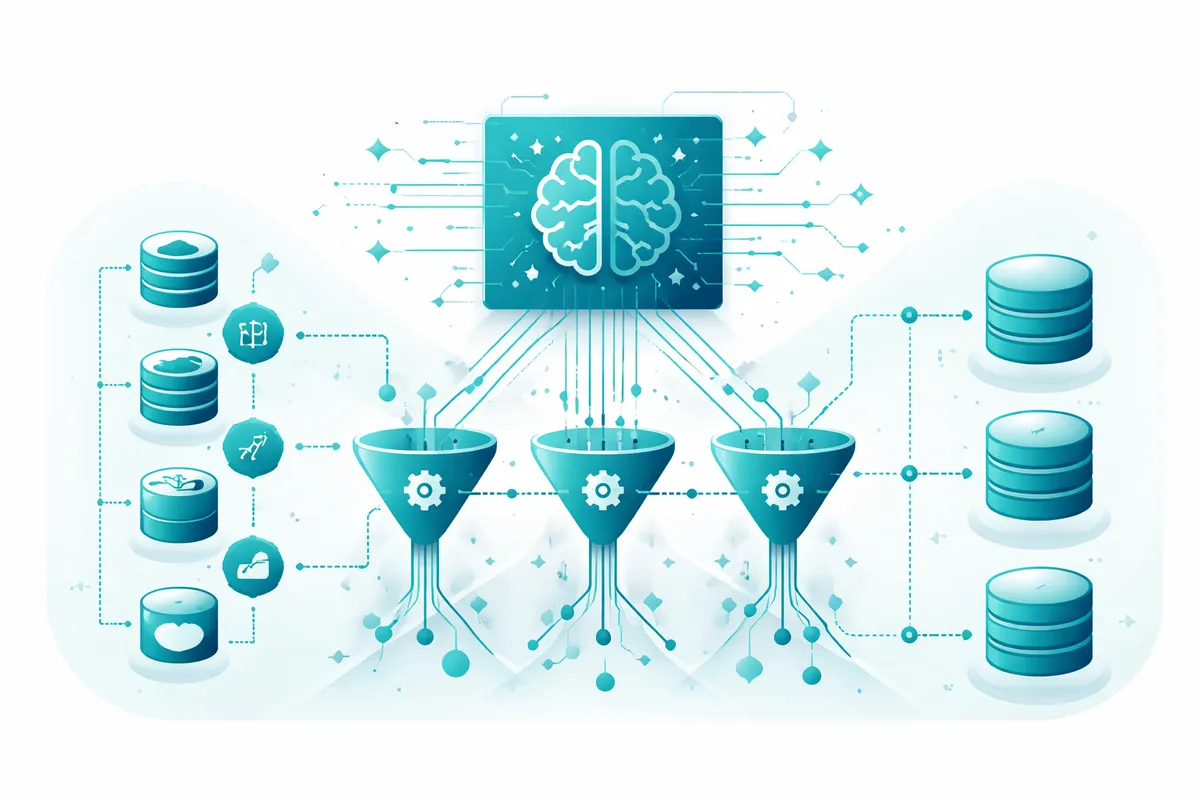
We audit your existing tools and identify the data gaps that cost you the most time. Then we build automated pipelines between them, starting with the highest-value connections. For restaurants on 18th Street, we typically connect POS, delivery platforms, inventory tracking, and food cost data into unified daily reporting. For retail shops near Ashland Avenue and Blue Island Avenue, we sync in-store POS with online sales, supplier orders, and marketing metrics. For creative businesses near the National Museum of Mexican Art, we connect sales records, email marketing platforms, event registration systems, and website analytics into a single intelligence layer. Each pipeline runs on a schedule and alerts you when data looks unusual.
What to Expect Working With Us
1. Bilingual-aware data audit. We document every tool your business uses, including paper records and bilingual data sources, and map where information gets stuck between systems. For Pilsen businesses, this audit often reveals more data variety and format inconsistency than operators realize.
2. Pipeline design and connection build. We start with the connections that deliver the most immediate value. For food businesses, that is POS and delivery platform consolidation. For galleries and creative businesses, it is sales and attendance correlation. For retail, it is inventory and channel synchronization.
3. Unified dashboard and alert configuration. We build the daily view your business needs, with automated alerts for the conditions that matter: low inventory, margin drops, unusual transaction patterns.
4. Ongoing monitoring and expansion. Pipelines run continuously with error monitoring. We add new data sources and adjust existing connections as your business and tool stack evolve.
Industries We Serve in Pilsen
Restaurants and food businesses along 18th Street use data pipelines to unify revenue from dine-in, delivery, catering, and wholesale channels into a single daily report. A taqueria near Damen and 18th discovered that its delivery margins were 18% lower than dine-in after the pipeline combined DoorDash commission data with food cost tracking for the first time. That insight led to a menu adjustment that recovered $1,400 per month in margin without reducing order volume. Pipeline automation also eliminated 8 hours per week of manual reconciliation, returning those hours to service and preparation.
Art galleries and creative businesses near Halsted Street connect sales records, mailing list engagement, and event attendance data to understand which exhibitions and openings drive actual revenue versus just foot traffic. One gallery owner near 18th and Halsted found that Thursday evening openings generated 3x more sales per attendee than Saturday afternoon events, a pattern completely invisible until the pipeline merged attendance and transaction data into a single analytical view. That discovery changed the exhibition calendar immediately.
Retail shops and markets on 18th Street sync inventory, POS, and supplier data to automate reordering and track margins across product categories. Businesses that sell culturally specific seasonal merchandise benefit especially from pipelines that combine historical demand data with the Mexican cultural calendar to trigger reorder points well before Dia de los Muertos, Posadas, and summer festival seasons peak.