How We Build SMS Marketing for Old Town
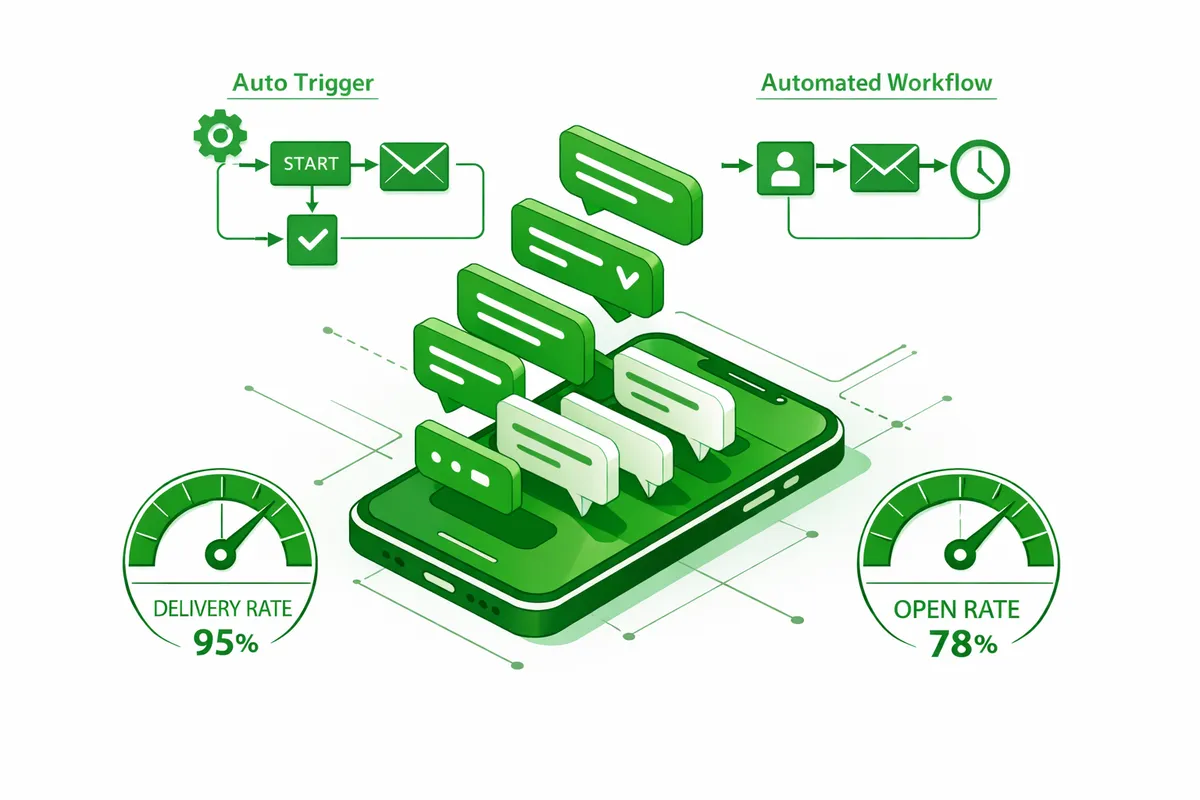
SMS marketing strategy for Old Town businesses begins with subscriber acquisition. A text message list with 200 subscribers who opted in because they love your Wells Street restaurant is worth more than a list of 2,000 contacts scraped from a loyalty program database. We build subscriber acquisition into the physical customer experience: a QR code on the table tent, a checkout prompt, a show ticket confirmation that invites text subscription for early access to future events. The list grows from the customers who are already buying.
From there we design the messaging program: what types of messages go to the full list, what messages go to segment-specific groups, and what the cadence looks like for each. A comedy club might run a weekly show announcement, a 48-hour ticket availability alert when seats are nearly sold out, and a subscriber-exclusive presale window for premium shows. A restaurant might run a monthly subscriber promotion, a Sunday-evening reservation slot alert for the coming week, and a seasonal menu announcement. The structure is specific to your business model and your customer relationship, not a template borrowed from a retail brand.
We write the messages. SMS copy is a specific discipline: 160 characters that convey urgency, offer, and call to action without feeling automated or transactional. For businesses near the Old Town Triangle whose neighborhood character is part of their brand, the messages should feel like they came from someone who knows the neighborhood and cares about the customer's experience, not from a campaign platform.
Industries We Serve in Old Town
Comedy clubs and performance venues along Wells Street use SMS marketing for ticket availability alerts, lineup announcements, and subscriber-only presale access. When remaining seats for a headline comedy night at a Wells Street venue drop below 20, a text to subscribers who previously attended that show type converts faster than any other channel. The time-sensitive nature of live performance is exactly what SMS is designed for.
Restaurants and bars between North Avenue and Eugenie Street send SMS promotions tied to specific service moments: open reservation slots for a slow Tuesday service, a happy hour extension for a quiet Thursday, a special menu item available only this weekend. The message reaches the subscriber at the moment it is most useful, which is when they are deciding where to go tonight, not after they have already committed to another plan.
Interior design studios near the Old Town Triangle use SMS marketing for a different purpose than hospitality businesses. Their list is smaller but more valuable: existing clients and qualified prospects who opted in specifically to hear about new arrivals, studio events, and project features. A text announcing a new furniture collection in the showroom drives appointment traffic from a list where every subscriber is a potential project client.
Boutique retailers on Wells Street use SMS for flash promotions, exclusive subscriber discounts, and new arrival announcements. An afternoon text about a sample sale or a limited-quantity item drop creates the kind of urgency that drives foot traffic the same day. For the Old Town Art Fair period, retailers use SMS to notify subscribers about extended hours, art-fair-week promotions, and any events they are hosting adjacent to the fair footprint.
Medical and dental practices near LaSalle Drive use SMS differently from retail and entertainment businesses. Their primary use case is appointment reminders: a text 48 hours before a scheduled visit reduces no-show rates measurably. Secondary uses include appointment availability notifications for patients on a waitlist, recall reminders for patients due for their annual exam, and new service announcements for existing patients.
Real estate offices in Old Town use SMS to alert qualified buyer clients when a property matching their criteria lists on the market. For properties in a neighborhood where LaSalle Drive and Sedgwick Street listings move quickly, a text alert that reaches a buyer 10 minutes after listing can be the difference between a showing and a missed opportunity. The subscriber list for a real estate SMS program is small and explicitly opt-in, which keeps the message relevant and the relationship intact.
What to Expect Working With Us
1. List audit and subscriber acquisition plan. If you have an existing subscriber list, we audit it for quality and segmentation opportunity. If you are starting from scratch, we design a subscriber acquisition strategy built into your existing customer touchpoints: checkout, reservation confirmation, show tickets, and any loyalty program. We establish a baseline list health standard before the first campaign sends.
2. Messaging program design. We define the categories of messages your program will include, the frequency of each, and the segmentation logic. The program design produces a 90-day messaging calendar showing exactly when each message type will send and to which subscriber segment. You see the full plan before it executes.
3. Copy and compliance setup. We write every message in the program and configure the technical compliance layer: opt-in language, TCPA-compliant subscriber management, opt-out handling, and sending time restrictions. Compliance is not optional in SMS marketing, and we build it into the program from the start rather than retrofitting it after a complaint.
4. Launch, performance tracking, and calendar management. We launch the program on the agreed schedule, track delivery rates, open rates, click-through on any included links, and redemption rates on promotions. Monthly performance reviews show which message types are driving the best engagement and which need adjustment. We update the program quarterly based on what the data shows.