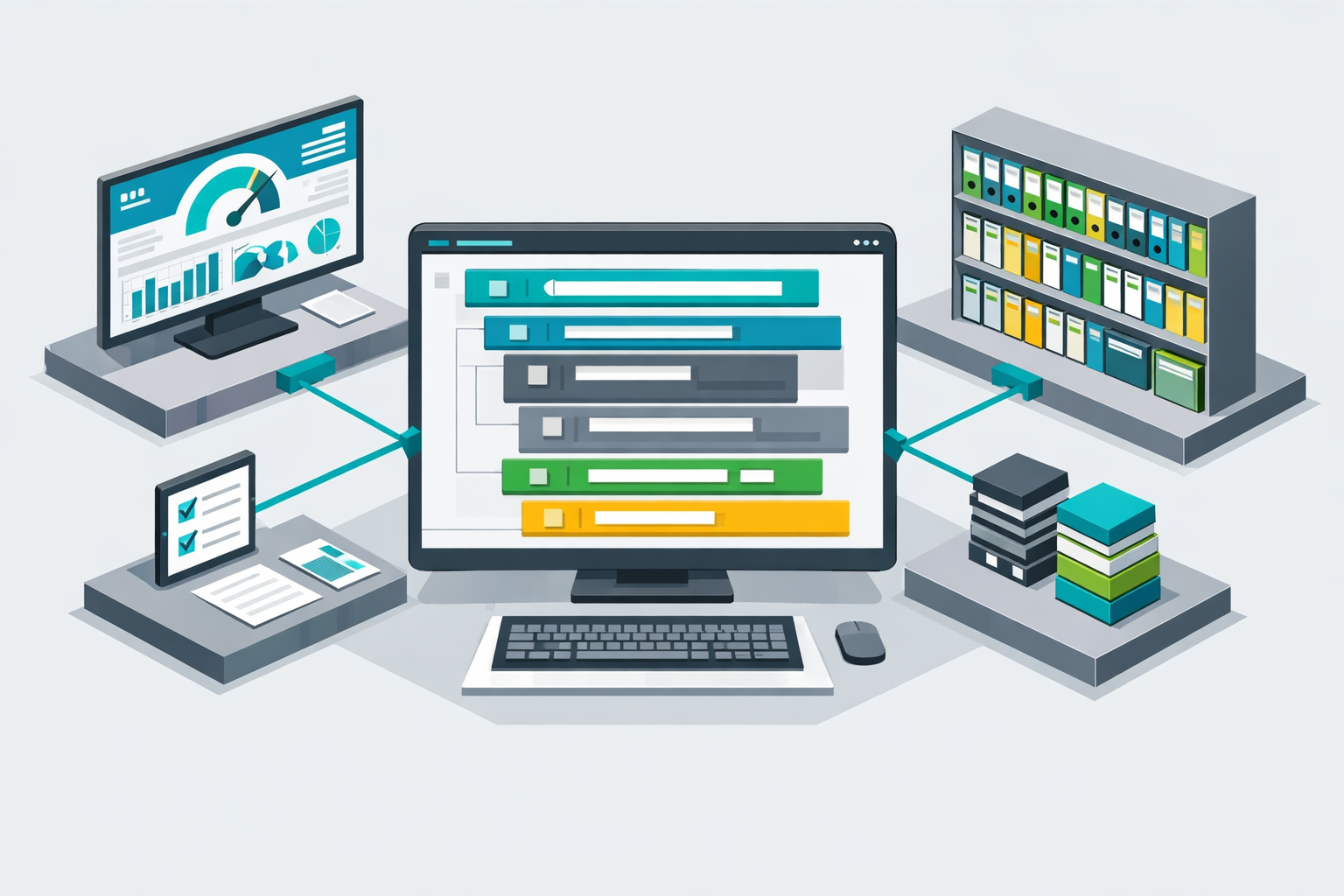
How We Build Prompt Systems for Old Town
Voice documentation and distinctive quality identification. We begin by understanding what makes your business's communication specifically distinctive. For a comedy club, we identify the specific comedic register, the relationship with the audience, and the way the club talks about performers and shows. For a restaurant, we identify the specific culinary vocabulary, the hospitality philosophy in the language, and the tone that distinguishes communication from comparable establishments. We document these qualities specifically enough to encode them in prompt instructions.
Prompt architecture design. Effective prompts for business voice applications have specific architectural components: a business identity statement establishing what makes the business distinctive; a voice specification describing the register, tone, and specific qualities of authentic communication; an audience specification identifying who the communication is for; constraint specifications identifying what the business never says; and format specifications appropriate to each content type. We design the prompt architecture for each content type your business produces: social posts, email communications, promotional copy, customer responses, and any other regular outputs.
Testing and refinement against real examples. We test prompt designs by generating output and comparing against your best actual content. Does the AI-generated social post sound like the social posts your restaurant has published at its best? Does the promotional copy sound like the specific comedy club's show announcements that have driven the strongest advance sales? We iterate prompt design until outputs consistently pass this comparison. The benchmark is your actual best content.
Library organization and usage documentation. We organize prompt systems into libraries with clear organization by content type and context, with usage documentation that helps your team select and adapt the right prompt for each situation. Libraries are designed for the actual team members who produce content: the restaurant manager who writes weekly social posts, the comedy club coordinator who drafts show announcements, the boutique buyer who writes new arrival communications.
Team training and adoption support. Prompt systems produce value only if your team uses them. We conduct practical training sessions that demonstrate prompt use with your actual content scenarios, explain the principles that make prompts work, and build the habit of prompt-assisted content production rather than generic AI use. We provide ongoing support during the adoption period as team members encounter situations not fully covered by the existing library.
Industries We Serve in Old Town
Comedy clubs and entertainment venues along Wells Street deploy prompt engineering for show promotional copy that captures the specific energy and wit of each venue's comedy culture; performer spotlight content that communicates why a specific comedian is worth seeing at this club; subscriber email announcements that maintain the audience relationship across multiple show cycles; and post-show content that sustains the relationship between programming cycles.
Restaurants and bars throughout Old Town, the Old Town Triangle, and North Avenue deploy prompt engineering for social content that communicates specific culinary personality and hospitality culture; seasonal menu announcements that reflect the kitchen's approach to ingredients; event and special occasion promotions that maintain voice consistency; and guest review responses that sound like the specific restaurant's approach to hospitality.
Boutique retailers and specialty shops near Eugenie Street and Sedgwick Street deploy prompt engineering for new arrival announcements that communicate the specific curatorial perspective that makes the boutique distinctive; product description content that captures each item's character in the shop's established voice; and seasonal collection positioning content that frames the buying direction in the shop's specific aesthetic vocabulary.
Interior design and architecture studios in Old Town's historic brownstones and loft buildings deploy prompt engineering for client proposal narrative that communicates the studio's specific design intelligence; project description and portfolio content that frames each project in the studio's aesthetic vocabulary; new client inquiry responses that establish the studio's positioning from the first interaction; and project status communications that maintain client relationships through the complexity of active projects.
Boutique hotels and hospitality venues adjacent to Lincoln Park deploy prompt engineering for pre-arrival communications that establish the specific hospitality character of the property; guest service communications that reflect the personal warmth that boutique properties compete on; marketing content that communicates the property's specific experience and neighborhood positioning; and review response content that reflects the property's approach to guest relationships.
Real estate offices and residential specialists in the Old Town market deploy prompt engineering for property listing descriptions that communicate specific Old Town neighborhood character and architectural vocabulary; buyer communication that reflects the office's expertise and relationship approach; and market analysis communications that establish the office's analytical credibility with sophisticated buyers and sellers.
What to Expect Working With Us
1. Voice documentation and quality analysis. We review your existing content, conduct interviews with the team members who produce the best content, and document the specific qualities that make your communication distinctive. We produce a voice document that becomes the foundation for all prompt engineering. This phase typically takes one to two weeks.
2. Prompt design and testing. We design prompts for each priority content type, test output against your best actual content, and iterate until outputs consistently pass the voice comparison test. We develop prompt variants for different content contexts within each type. Prompt design and testing typically take two to three weeks.
3. Library organization and documentation. We organize prompts into a structured library with usage documentation appropriate to your team, designed for practical use by the actual content producers in your organization. Library development typically takes one week after prompt design is complete.
4. Training and adoption support. We conduct practical training sessions with your content team, demonstrate prompt use in real scenarios, and support adoption during the initial period. We provide ongoing support as your team encounters new content situations. Training typically takes one to two sessions of two hours each, with follow-up support available for sixty days.