How We Build NLP Solutions for Old Town
Feedback source mapping and data collection. We begin by identifying every text source relevant to your business intelligence needs: your own review platforms, social media mentions, email responses, direct feedback submissions, and competitor review sources where relevant. We assess the volume, format, and quality of text available from each source and design data collection approaches that gather text reliably and continuously rather than through periodic manual export.
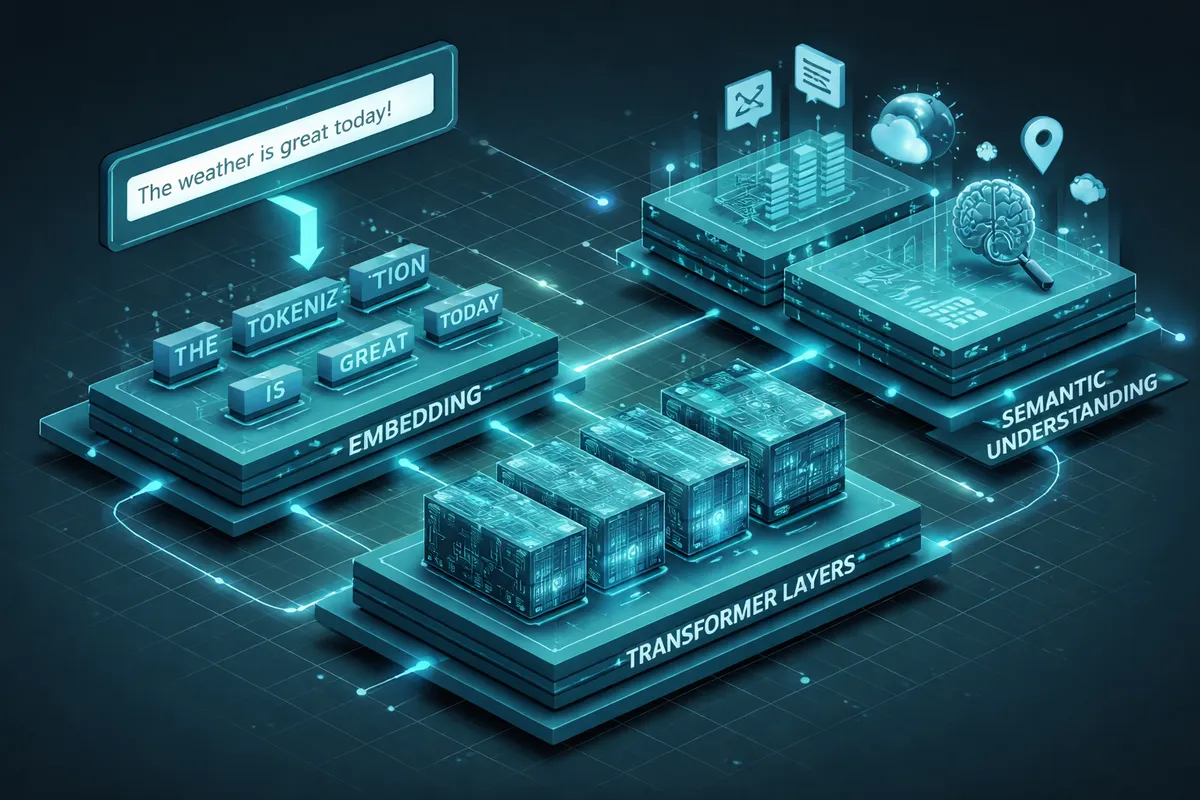
Classification and extraction model design. For each feedback source and analytical application, we design the NLP classification and extraction models appropriate to the task. Sentiment classification identifies whether text is positive, negative, or neutral overall. Topic classification identifies which aspects of the business (food quality, service, atmosphere, value, specific menu items, performer quality) the text is discussing. Entity extraction identifies specific mentions of dishes, performers, staff members, and other named elements. We design models that answer the specific questions most valuable to your operational decisions.
Domain-specific model training. Generic NLP models perform poorly on Old Town hospitality and entertainment text because they weren't trained on the specific vocabulary, idioms, and contextual associations that characterize reviews of comedy performances, restaurant experiences, and gallery visits. We fine-tune models on examples from your actual feedback corpus and comparable industry text so that classification and extraction accuracy reflects the specific language patterns your feedback contains.
Dashboard and reporting system development. We build reporting systems that surface NLP insights in formats useful for operational decision-making. A restaurant manager reviewing weekly feedback doesn't need raw NLP outputs; they need a weekly summary of recurring themes, sentiment trends by category, and specific examples of feedback requiring attention. We design reporting for the operational audience rather than for data analysts.
Competitive text intelligence setup. Where relevant to your business needs, we extend NLP analysis to text about your competitors: review platforms, social media, and press coverage. This competitive text intelligence provides systematic comparative information about how your business's customer-perceived positioning compares to comparable establishments.
Industries We Serve in Old Town
Restaurants and bars along Wells Street, North Avenue, and the Old Town Triangle deploy NLP to analyze review and social feedback for sentiment trends by experience category: food quality, service quality, atmosphere, value, and specific menu items. Weekly summaries surface what customers are consistently praising and what they're consistently criticizing, enabling targeted operational response before review sentiment shifts materially. Competitive review analysis surfaces how comparable Wells Street restaurants are perceived relative to each other, revealing positioning opportunities and vulnerability signals.
Comedy clubs and entertainment venues in the Wells Street corridor deploy NLP to analyze audience social media response after shows, online reviews, and subscriber email engagement for sentiment by show type, comedian profile, and venue experience dimension. Pattern analysis across multiple shows' worth of feedback reveals which programming elements consistently resonate and which consistently disappoint, informing booking and operational decisions with systematic intelligence rather than selective observation. Press coverage NLP tracks how the venue is described in entertainment media and surfaces gaps between intended positioning and actual perception.
Art galleries and exhibition organizations near North Avenue and throughout Old Town deploy NLP to analyze visitor feedback, press coverage, and collector correspondence for sentiment patterns related to specific exhibitions, artists, and programming approaches. Exhibition-level feedback analysis reveals how specific curatorial decisions land with different audience segments. Press coverage analysis tracks critical reception patterns that inform programming positioning. Collector correspondence analysis identifies engagement patterns that predict purchasing interest.
Boutique retailers and specialty shops near Eugenie Street and the Old Town Triangle deploy NLP to analyze customer reviews and social feedback for specific themes related to product quality, curation quality, service quality, and price value. Product mention analysis identifies specific items that are driving positive sentiment versus ones generating complaints or disappointment. Staff mention analysis surfaces service experience patterns that management can address through training or staffing decisions.
Boutique hotels and hospitality venues adjacent to Lincoln Park and throughout Old Town deploy NLP to analyze guest reviews across platforms for sentiment by experience category: room quality, service quality, amenities, location, and value. Comparative analysis against competitive set reviews reveals relative positioning on each experience dimension. Staff mention extraction identifies which team members generate positive guest experience mentions and which generate service complaints. Pre-review feedback analysis through post-stay surveys surfaces issues early enough to address them before public review publication.
Interior design and architecture studios in Old Town deploy NLP to analyze client feedback from project surveys and correspondence for sentiment patterns related to design quality, process experience, communication quality, and value. Principal and designer-specific analysis identifies which team members generate the strongest client satisfaction responses. Phase-of-project analysis reveals whether clients experience satisfaction or frustration at consistent points in the engagement lifecycle, informing process improvement priorities.
What to Expect Working With Us
1. Feedback source inventory and analytical requirements definition. We map your feedback sources, assess text volume and quality, and identify the specific analytical questions most valuable to your operational decisions. We define the classification and extraction tasks for each analytical application. This phase typically takes two to three weeks.
2. Model development and domain training. We build and train NLP models on your feedback corpus and comparable domain text, validate classification and extraction accuracy, and calibrate for the specific vocabulary and language patterns in your feedback sources. Model development typically takes three to four weeks.
3. Dashboard, reporting, and alert development. We build reporting interfaces and alert systems appropriate to your operational audiences, review designs with key users, and implement continuous feedback collection from identified sources. This phase typically takes two to three weeks.
4. Deployment and ongoing refinement. We deploy to production with monitoring of model accuracy and reporting usage. We refine classification and extraction models based on production feedback and expand NLP coverage to additional feedback sources and analytical applications as initial deployments demonstrate value.